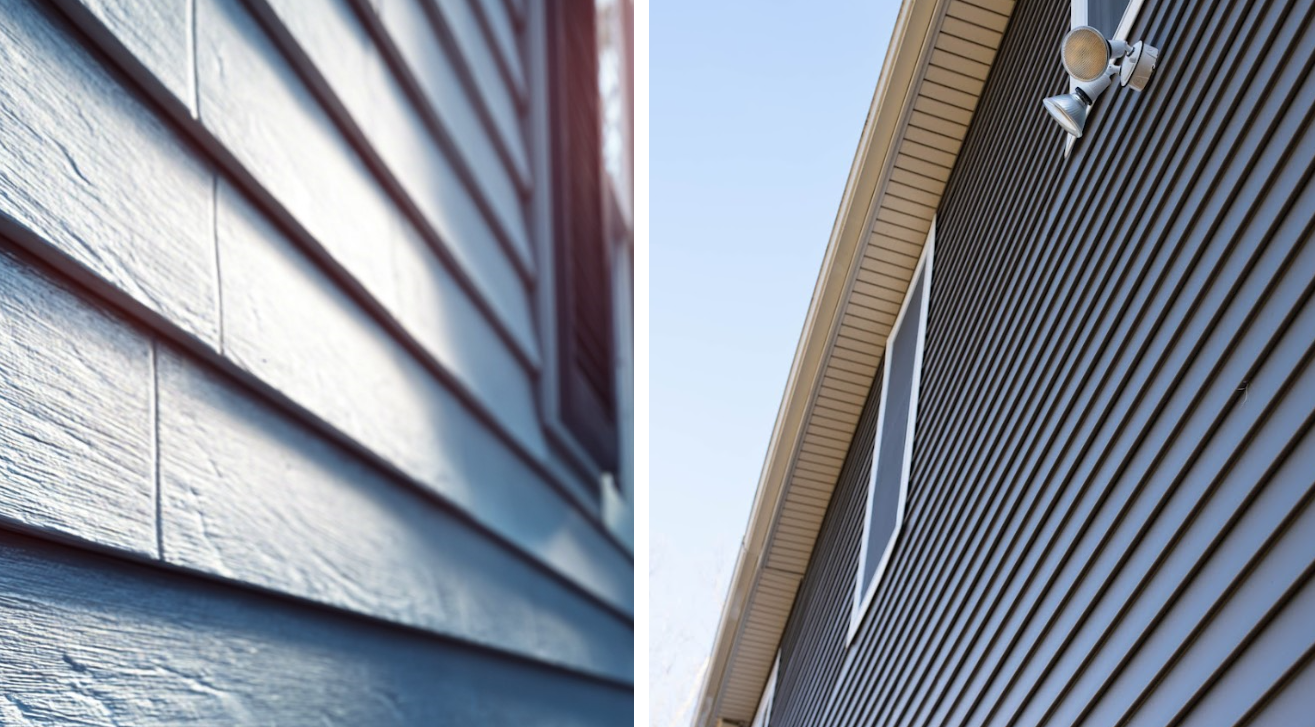
New siding can change the way your home looks, but it also plays a major role in protecting what’s underneath.
If your current siding is faded, cracked, loose, or letting moisture in, you may be comparing composite siding vs vinyl and wondering which material makes the most sense for your home.
Both options can be strong choices. The right one depends on your budget, maintenance expectations, style goals, and how much weather protection your home needs.
At Yellowfin Roofing, we help homeowners in Wilmington, Hockessin, Newark, and surrounding areas choose exterior solutions that fit their home and long-term plans.
Key Takeaways
- Composite siding is known for durability, stability, and a more wood-like appearance.
- Vinyl siding is often more affordable upfront and requires simple maintenance.
- The best siding material for Northeast homes should handle moisture, wind, temperature swings, and seasonal storms.
- A professional estimate can help you compare your options clearly before making a final decision.
If you’re planning a siding project, Yellowfin Roofing can walk you through your choices and provide a free estimate.
Composite Siding vs Vinyl: Why the Difference Matters
Siding does more than improve curb appeal. It helps protect your home from rain, wind, pests, moisture, and temperature changes.
That matters in Delaware and the greater Mid-Atlantic region, where homes can deal with humid summers, coastal moisture, winter weather, and strong storms.
When comparing composite siding vs vinyl, the biggest differences usually come down to:
- Durability: Composite siding is often stronger against impact, moisture, and weather wear.
- Cost: Vinyl siding is usually the lower-cost option upfront.
- Appearance: Composite siding often provides a more natural wood-style look.
- Maintenance: Both are relatively low maintenance, but vinyl may need more frequent cleaning.
- Insulation: Composite siding may offer better built-in stability, while vinyl may require an insulated version for better energy performance.
Neither option is automatically right or wrong. The better choice depends on what you want your siding to do.
What to Consider Before Choosing New Siding
Before choosing a material, it helps to think through how your home is built, where it’s located, and what matters most to you.
Budget
What do you want to spend upfront?
Vinyl siding is often the more affordable choice. Composite siding may cost more, but it can offer stronger long-term performance depending on the product and installation.
Durability
How much weather protection do you need?
If your home is exposed to frequent storms, wind, or moisture, durability should be a major part of your decision.
Appearance
What look do you want?
Vinyl siding comes in many colors and styles. Composite siding often offers a more textured, wood-like appearance that can boost curb appeal.
Maintenance
How much upkeep do you want?
Both materials are easier to maintain than traditional wood, but each still needs basic cleaning and routine checks.
Energy Efficiency
Do you want better comfort indoors?
Insulated siding options may help improve your home’s thermal performance. This can matter in both hot summers and cold winters.
Long-Term Plans
How long will you stay in the home?
If you plan to sell soon, vinyl may be a practical option. If you plan to stay long-term, composite siding may offer more value over time.
Composite Siding: What Homeowners Should Know
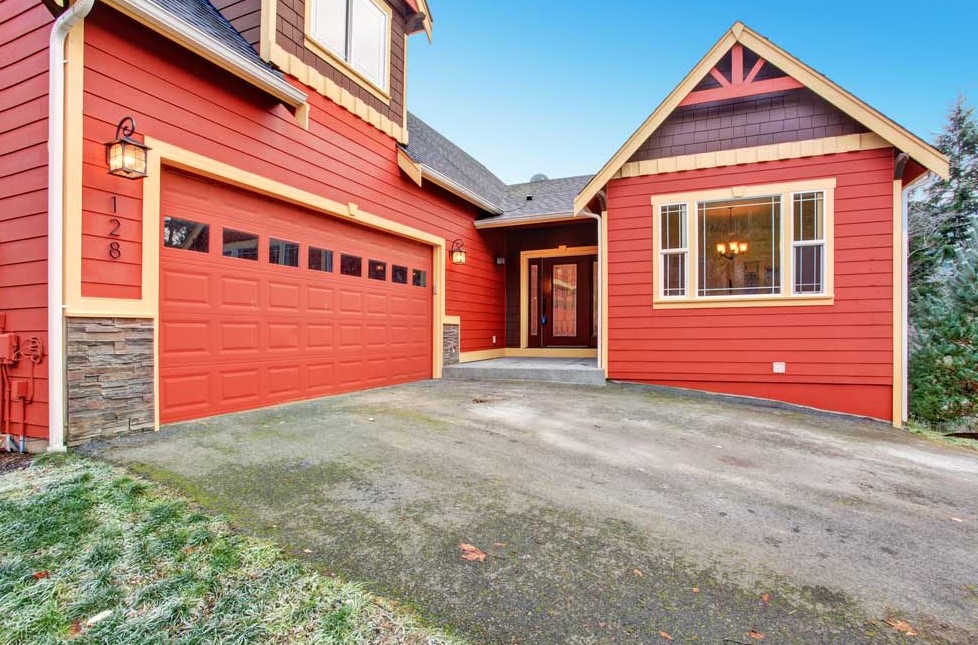
Composite siding is made from a blend of materials, often including wood fibers, resins, and other bonded components. It’s designed to provide the look of wood with better resistance to common exterior problems.
Many homeowners choose composite siding because it offers a strong balance of appearance and performance.
Common benefits include:
- Durability: Composite siding is built to stand up to weather, impact, and everyday wear.
- Moisture resistance: Many composite products resist swelling, rot, and insect damage better than natural wood.
- Wood-like appearance: Composite siding can mimic the look of real wood without the same level of upkeep.
- Long-term value: It may cost more upfront, but it can perform well over time.
- Style flexibility: Composite siding is available in many colors, textures, and profiles.
Common considerations include:
- Higher upfront cost: Composite siding costs are usually higher than basic vinyl.
- Product differences: Not every composite product performs the same, so quality matters.
- Professional installation: Proper installation is important for long-term performance.
Composite siding can be a strong fit for homeowners who want better durability and a more finished exterior look.
Vinyl Siding: What Homeowners Should Know
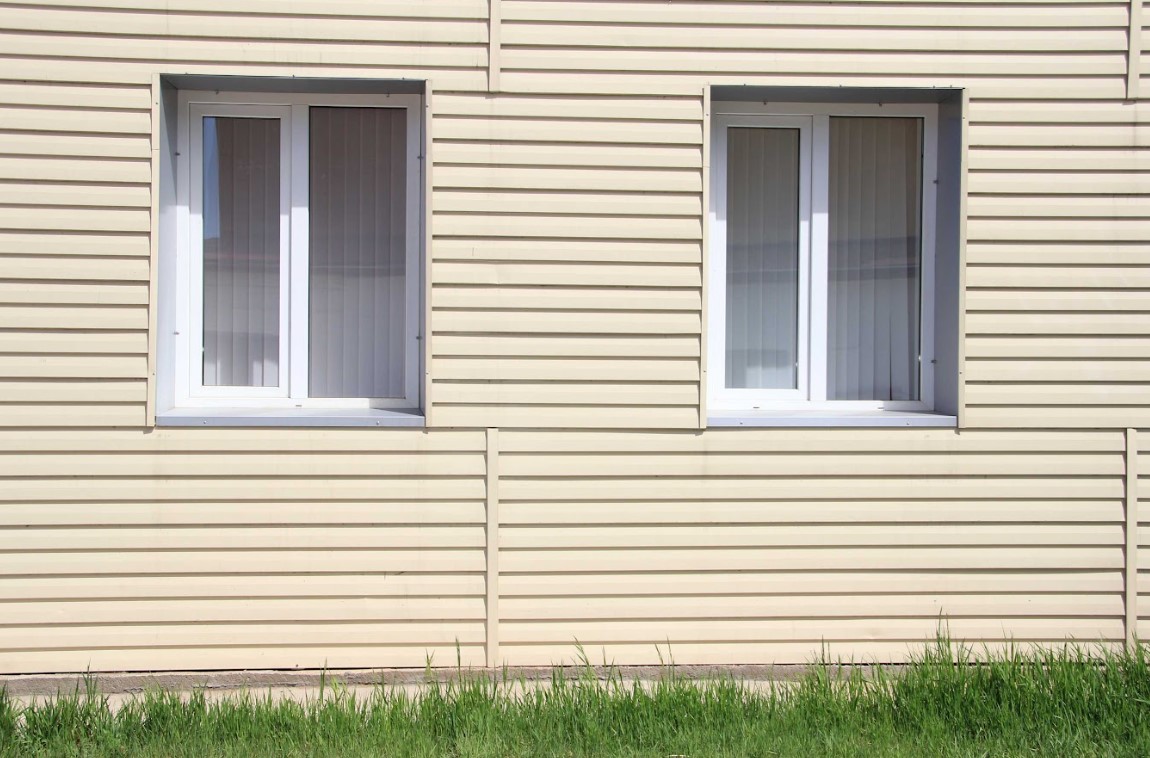
Vinyl siding is made from PVC and is one of the most common siding materials used on homes today.
It’s popular because it’s affordable, versatile, and easy to maintain.
Common benefits include:
- Lower upfront cost: Vinyl is often one of the most budget-friendly siding options.
- Low maintenance: It does not need painting and can usually be cleaned with mild soap and water.
- Many style options: Vinyl comes in a wide range of colors, profiles, and textures.
- Insect resistance: Vinyl does not attract insects the way natural wood can.
- Simple replacement: Damaged sections can often be repaired or replaced.
Common considerations include:
- Less impact resistance: Vinyl may crack or dent under certain conditions.
- Possible fading: Color can fade over time, especially with sun exposure.
- Moisture concerns: If installed poorly, water can get behind the siding.
- Insulation limits: Standard vinyl siding does not provide as much insulation as insulated siding options.
Vinyl siding can be a good fit for homeowners who want a clean look, lower upfront cost, and simple upkeep.
Siding Comparison Guide: Composite vs Vinyl
Here’s a simple side-by-side look at how the two materials compare.
- Cost: Vinyl usually costs less upfront, while composite siding costs are typically higher.
- Durability: Composite siding usually offers stronger resistance to impact, moisture, and weather.
- Appearance: Composite often looks more like natural wood, while vinyl provides a clean and simple finish.
- Maintenance: Both are low maintenance, but vinyl may need more frequent washing.
- Lifespan: Composite siding may last longer depending on the product, installation, and maintenance.
- Weather Performance: Composite is often a strong option for moisture and temperature swings.
- Best Fit: Vinyl works well for budget-conscious projects, while composite is often better for long-term value and curb appeal.
For many Northeast homes, the decision comes down to upfront cost versus long-term performance.
What Is the Best Siding Material for Northeast Homes?
The best siding material for Northeast homes should handle more than one type of weather.
Homes in Delaware and nearby Pennsylvania and Maryland communities can face:
- Humid summers
- Heavy rain
- Coastal air in some areas
- Winter freeze-thaw cycles
- Strong wind and storms
- Seasonal temperature swings
Because of that, homeowners should choose siding that resists moisture, holds up to changing temperatures, and is installed with proper flashing and drainage.
Composite siding may be a strong choice if you want better durability and a more upscale appearance. Vinyl siding may be a smart choice if you want an affordable, low-maintenance exterior update.
The material matters, but installation matters just as much. Even high-quality siding can fail if moisture barriers, trim, flashing, and seams are not handled correctly.
What Homeowners Should Do Next
If you’re comparing composite siding vs vinyl, start with a simple checklist:
- Review your budget
- Decide how important curb appeal is
- Think about how long you plan to stay in the home
- Consider your home’s exposure to wind and moisture
- Ask about maintenance requirements
- Schedule a professional estimate before choosing a material
You do not have to figure it out alone. A siding professional can help you compare products, explain the pros and cons, and recommend an option that fits your home.
At Yellowfin Roofing, we focus on clear communication, reliable service, and honest recommendations from start to finish.