
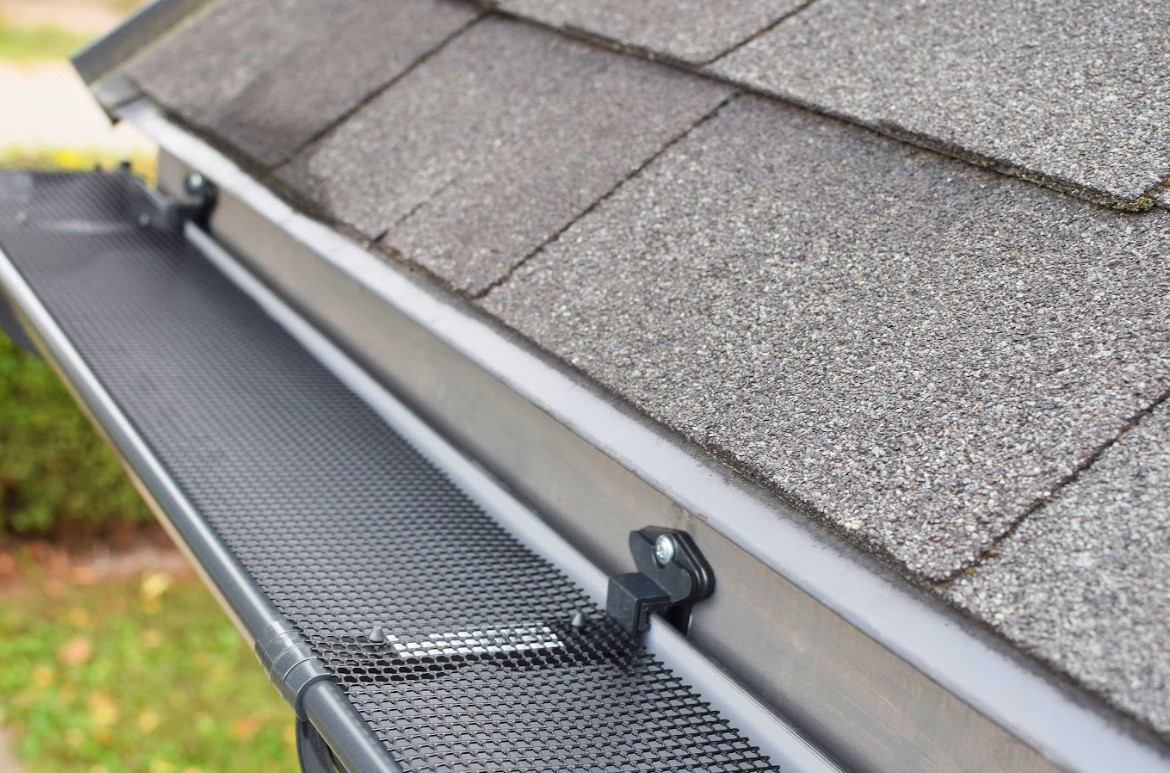
Cleaning gutters is not anyone’s favorite chore.
Leaves, twigs, roof granules, and seed pods can build up fast, especially if your home has trees nearby. Once gutters clog, rainwater can spill over the sides and create problems for your roof, siding, foundation, and landscaping.
That’s why many homeowners start comparing the best gutter guards 2026 options before the next heavy rain hits.
At Yellowfin Roofing, we help homeowners in Wilmington, Hockessin, Newark, and nearby areas understand gutter systems clearly so they can choose a solution that fits their home.
Key Takeaways
- Gutter guards help block debris while allowing rainwater to flow into your gutters.
- No gutter guard is completely maintenance-free, but the right system can reduce cleaning and clogs.
- A gutter guard comparison should include material, design, installation method, tree coverage, and rainfall.
- The best option depends on your home’s roofline, gutter size, surrounding trees, and budget.
Schedule your free estimate with Yellowfin Roofing to compare gutter options for your home.
Do Gutter Guards Work?
Yes, gutter guards can work well when the right type is installed correctly.
The goal is simple: keep leaves and debris out of the gutter channel while still letting water drain through the system.
The problem is that not all guards perform the same. Some block large leaves but allow smaller debris through. Others catch fine debris but may need occasional surface cleaning. Some are better for heavy rain, while others are better for light tree coverage.
Gutter guards can help prevent:
- Clogged downspouts: Debris can block water from draining away from the home.
- Overflowing gutters: Blocked gutters can send water over the edge.
- Foundation issues: Poor drainage can allow water to collect near the home.
- Roof edge damage: Water backup can affect fascia, soffit, and roof edges.
- Pest problems: Debris-filled gutters can attract insects, birds, and small animals.
They are not magic, though. If leaves pile up on top of the guards, you may still need to brush or blow them off from time to time.
How Gutter Guards Actually Work
Gutter guards use different designs to manage water and debris.
Most systems work in one of three ways:
- Screening: Water passes through holes or mesh while debris stays out.
- Surface tension: Water follows a curved cover into the gutter while debris falls off the edge.
- Insertion: Foam or brush inserts sit inside the gutter and block debris from settling at the bottom.
The installation method matters just as much as the material. Guards that sit flat inside the gutter may collect more debris on top. Guards installed at more of an angle may shed leaves better.
Your roof pitch, tree coverage, and gutter condition all affect performance.
Gutter Guard Comparison: Common Types
Screen Gutter Guards
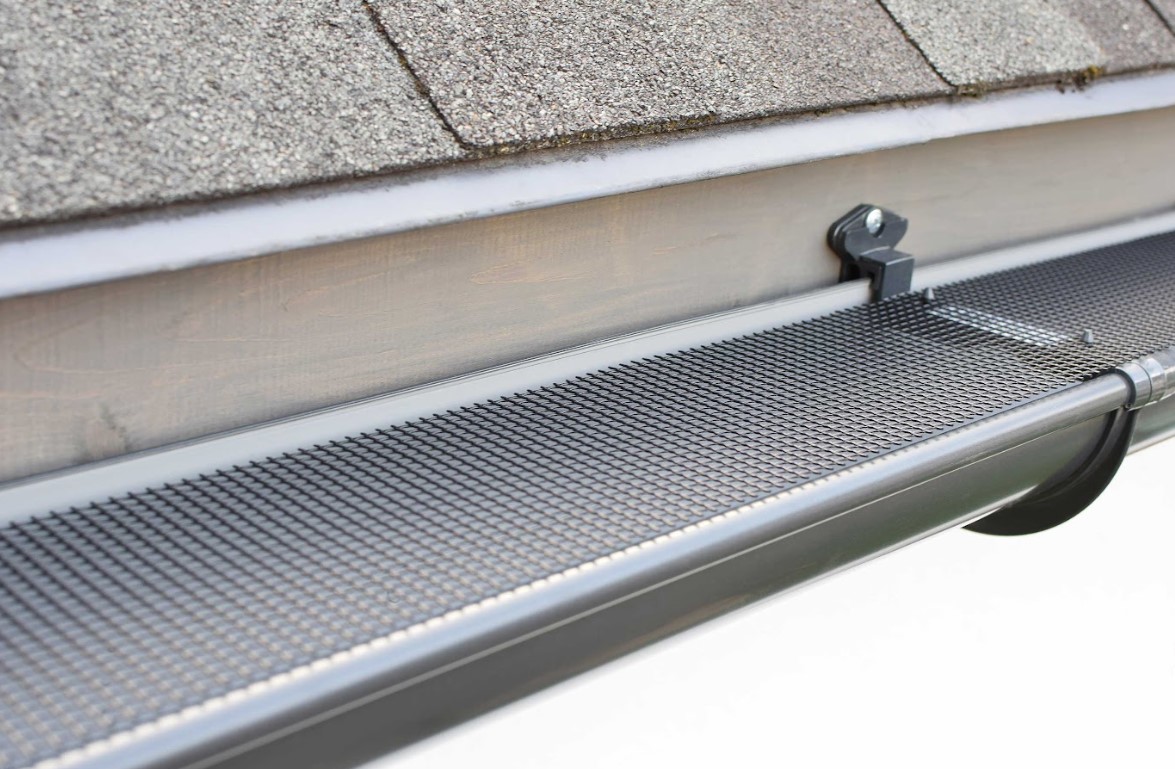
Screen guards are panels with holes that sit over the gutter.
They are usually affordable and can block larger leaves and twigs.
Pros:
- Affordable: Often lower cost than premium systems.
- Good for large debris: Helps keep leaves and sticks out.
- Commonly available: Many styles and materials exist.
Cons:
- Small debris can pass through: Pine needles, seeds, and roof granules may still enter.
- May need cleaning: Debris can collect on top.
- Less durable options exist: Plastic screens may not hold up as well as metal.
Best for: Homes with moderate tree coverage and larger leaf debris.
Micro-Mesh Gutter Guards
Micro-mesh guards use a fine mesh layer, often stainless steel, to block smaller debris while allowing water through.
Pros:
- Strong filtration: Blocks small debris better than basic screens.
- Good water flow when clean: Quality systems can handle heavy rain well.
- Durable materials: Stainless steel and aluminum options can last longer.
Cons:
- Higher cost: Usually more expensive than basic screens.
- Professional installation may be needed: Proper fit matters.
- Surface buildup can still happen: Fine debris may collect on top over time.
Best for: Homes with heavy tree coverage, pine needles, small seeds, or frequent gutter clogs.
Perforated Aluminum Guards
Perforated guards are metal panels with small holes. They often sit inside or over the gutter.
Pros:
- Durable: Aluminum resists rust and holds up well.
- Good value: Often less expensive than premium micro-mesh.
- Handles large debris well: Keeps leaves and sticks out of the gutter channel.
Cons:
- Small debris may enter: Tiny seeds and granules can pass through.
- Can collect surface debris: Flat installation may create a shelf for leaves.
- Needs occasional maintenance: Tops may need brushing off.
Best for: Homeowners who want a strong middle-ground option.
Reverse-Curve or Surface-Tension Guards
These guards use a curved design that directs water into the gutter while sending leaves over the edge.
Pros:
- Sheds debris well: Curved design can help leaves slide off.
- Reduces gutter cleaning: Less debris enters the gutter.
- Strong design: Often professionally installed.
Cons:
- Higher cost: Usually more expensive.
- May struggle in heavy downpours: Water can overshoot in some conditions.
- More visible: Some systems are noticeable from the ground.
Best for: Homes with heavy leaf debris and rooflines suited to this design.
Foam Gutter Inserts
Foam inserts sit directly inside the gutter. Water passes through the foam while debris stays on top.
Pros:
- Low cost: Often one of the cheapest options.
- Easy installation: Can be cut and placed in gutters.
- Not visible from the ground: Sits inside the gutter.
Cons:
- Can trap moisture: May encourage buildup or growth.
- Needs replacement: Foam breaks down over time.
- Not ideal for heavy rain or debris: Can restrict flow when clogged.
Best for: Short-term or budget situations with light debris.
Brush Gutter Inserts
Brush guards look like large bottle brushes that sit inside the gutter.
Pros:
- Easy to install: No complex fastening.
- Blocks large debris: Leaves and twigs sit on top.
- Easy to remove: Can be pulled out for cleaning.
Cons:
- Debris gets stuck in bristles: Seeds and pine needles can embed.
- Still requires cleaning: Maintenance can be messy.
- May restrict water flow over time: Buildup reduces performance.
Best for: Light-duty use where easy removal matters.
What Homeowners Should Do Next
If you’re choosing gutter guards, start with a simple checklist:
- Look at the trees around your home
- Identify the type of debris you deal with most
- Check whether your gutters already sag or leak
- Think about the heavy rain performance
- Compare upfront cost and maintenance needs
- Ask whether the system works with your existing gutters
- Schedule a professional estimate
The best gutter guards are the ones that match your home’s conditions, not just the ones with the biggest advertising budget.