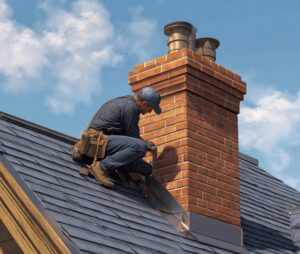
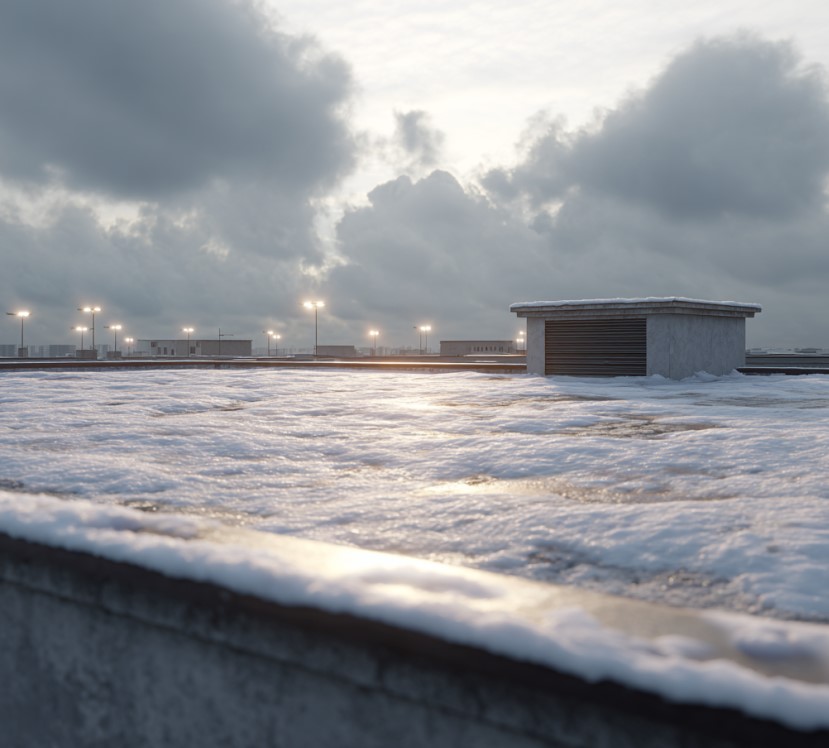
Flat commercial roofs handle winter differently than residential roofs. Instead of shedding snow, they hold it in place. That means snow, ice, and water can sit on the surface for days or even weeks.
The problem? That added weight and moisture can create serious risks if your roof is not prepared. Understanding how snow load impacts a commercial roof is key to protecting your building during winter.
At Yellowfin Roofing, we help property owners across Wilmington, Newark, and surrounding areas prepare their roofs for winter conditions with clear guidance and reliable service.
Key Takeaways
- Snow load on a commercial roof can create structural stress, leaks, and drainage problems.
- Flat roof winter maintenance should focus on drainage, membrane condition, and early warning signs.
- Regular inspections and proactive maintenance help prevent costly commercial roof snow damage.
If you want to protect your building this winter, Yellowfin Roofing is here to help. Schedule your free estimate today.
Why Snow Load Is a Serious Concern for Commercial Roofs
When snow falls on a steep residential roof, much of it slides off. On a flat or low-slope commercial roof, it stays put.
The issue isn’t just snow, it’s the weight it creates over time.
- Light, dry snow may not seem like a problem. But when snow becomes wet, compacted, or turns into ice, the weight increases quickly. On a large commercial roof, that can mean thousands of extra pounds sitting on the structure.
Common risks of snow load on a commercial roof include:
- Roof sagging or structural stress
- Ponding water in low areas
- Damage to roofing membranes
- Increased pressure on seams and flashing
- Higher risk of leaks
- Long-term wear on insulation and decking
In Delaware and nearby regions, winter weather often includes a mix of snow, rain, and temperature swings. That combination increases the chance of heavy snow loads and water buildup.
How Snow and Ice Create Commercial Roof Damage
Snow Accumulation
Flat roofs allow snow to build up evenly across the surface. Unlike pitched roofs, there is no natural shedding, so weight continues to increase with each storm.
Freeze-Thaw Cycles
Temperatures often rise above freezing during the day and drop again at night.
This causes snow to melt and refreeze repeatedly. Water works its way into small cracks and seams, then expands as it freezes, making those openings larger over time.
Ponding Water
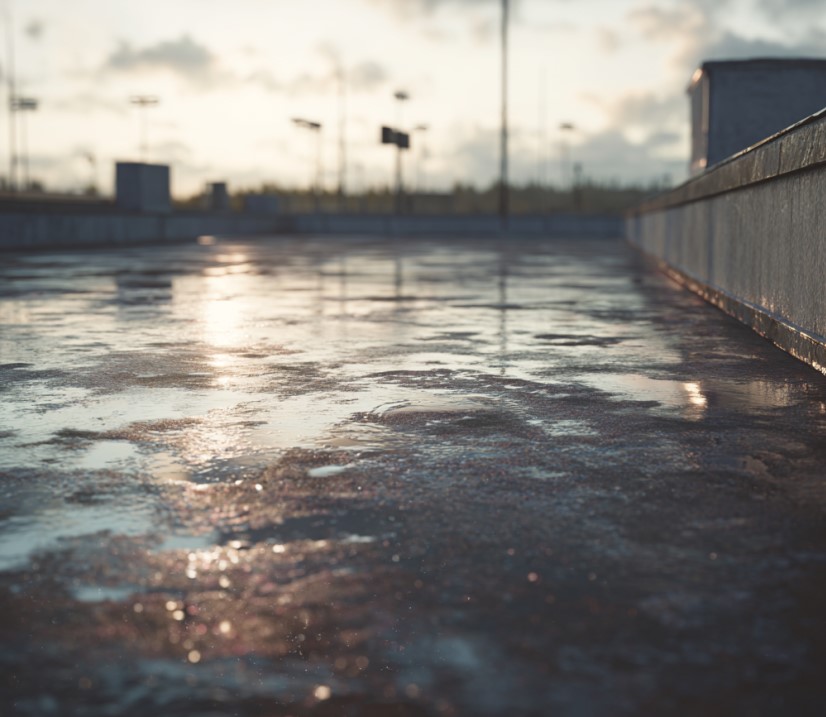
When the snow melts, water needs to drain properly. If drains or gutters are blocked, water collects in low spots.
Standing water adds weight and puts pressure on the roofing system. Over time, this can lead to leaks and faster material breakdown.
Blocked Drains and Scuppers
Snow, ice, and debris often collect around drainage points. When drains are blocked:
- Water backs up on the roof
- Ice buildup increases
- Leaks become more likely
- Overflow can affect walls and interior spaces
Ice Formation
Ice can form thick layers on flat roofs, especially near edges and drainage areas. This adds even more weight and can damage membranes and flashing.
What to Check Before and During Winter
Before snow arrives and after major storms, it’s important to monitor your roof.
Roof Surface
Are there low spots or uneven areas?
These areas are more likely to collect water and increase ponding risk.
Drainage Systems
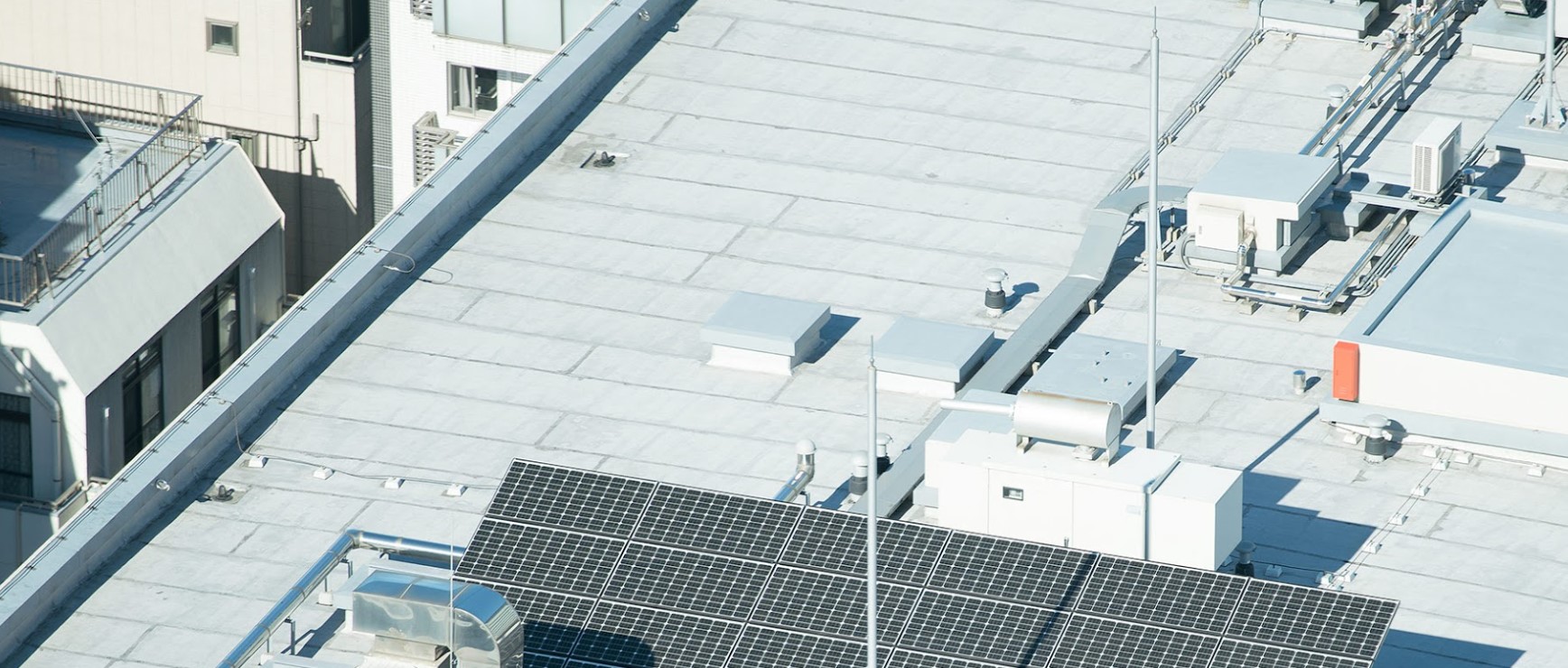
Are drains, scuppers, and gutters clear?
Proper drainage is one of the most important factors in flat roof winter maintenance.
Flashing and Seams
Are edges sealed properly?
Check areas around rooftop units, vents, and roof transitions where leaks are more likely to develop.
Interior Signs
Are there signs of moisture inside?
Water stains, damp ceiling tiles, or unexplained drips can signal roof problems.
Structural Changes
Does anything look different?
Sagging areas or unusual roofline changes should be addressed immediately.
Catching these signs early can help prevent more serious damage as winter continues.
Winter Commercial Roofing Tips to Protect Your Building
Schedule a Pre-Winter Inspection
A professional inspection can identify weak spots, drainage issues, and early signs of damage before snow covers the roof.
Keep Drains and Gutters Clear
Remove leaves, debris, and buildup so melting snow can drain properly.
Monitor Snow Load After Storms
After heavy snowfall, keep an eye on accumulation levels. If snow becomes deep or compacted, it may need to be removed by professionals.
Avoid DIY Snow Removal
Shoveling or scraping a flat roof without proper tools can damage the membrane and create safety risks.
Address Repairs Early
Small issues become larger problems under winter conditions. Fixing them early helps protect your building and avoid downtime.
Plan for Ongoing Maintenance
Regular inspections and maintenance plans can extend the life of your commercial roof and reduce unexpected repairs.
At Yellowfin Roofing, we provide clear recommendations and help property owners stay ahead of winter roofing risks.
What Property Owners Should Do Next
If you want to protect your commercial roof this winter, start with this checklist:
- Schedule a professional roof inspection
- Clear drains, scuppers, and gutters
- Check for low spots or ponding areas
- Inspect flashing and roof penetrations
- Monitor snow buildup after storms
- Watch for interior signs of leaks
- Avoid walking on or clearing the roof yourself
- Schedule a professional estimate if anything looks off
Snow load and winter conditions can put stress on any commercial roofing system. A proactive plan makes a big difference.