
As the year comes to a close, your roof is about to face some of the toughest conditions it will see all year. Cold temperatures, wind, rain, and the occasional snowstorm can put stress on even a well-built roofing system.
The problem? Small issues that go unnoticed in December can turn into major repairs by mid-winter.
That’s why a year-end roof inspection is one of the smartest steps you can take before January.
At Yellowfin Roofing, we help homeowners across Wilmington, Hockessin, Newark, and nearby areas prepare their roofs for winter with clear guidance and reliable service.
Key Takeaways
- A year-end roof inspection helps catch small problems before winter makes them worse.
- Winter roof maintenance should focus on shingles, flashing, gutters, and attic conditions.
- Preparing your roof in December can help prevent leaks, ice damage, and costly repairs.
If you want peace of mind before winter, Yellowfin Roofing is here to help. Schedule your free estimate today.
Why a Year-End Roof Inspection Matters Before Winter
When winter weather hits, your roof has to handle more than just rain. It deals with temperature swings, moisture buildup, wind, and freezing conditions.
The issue is that roofing materials expand and contract in the cold. Water can work its way into small gaps, freeze, and create larger openings. Gutters can clog and freeze. Flashing can loosen.
By January, what started as a small problem, can turn into:
- Roof leaks
- Ice-related damage
- Gutter overflow and ice buildup
- Interior water stains
- Mold or moisture issues in the attic
Homes in Delaware and the surrounding areas often deal with a mix of rain, wind, and fluctuating temperatures. That combination makes preparation especially important.
A simple December roof checklist can help you stay ahead of these issues.
What to Check Before Winter Weather Sets In
Before temperatures drop further and the freeze-thaw cycle starts, take time to look over key parts of your roofing system.
Shingles
What condition are they in?
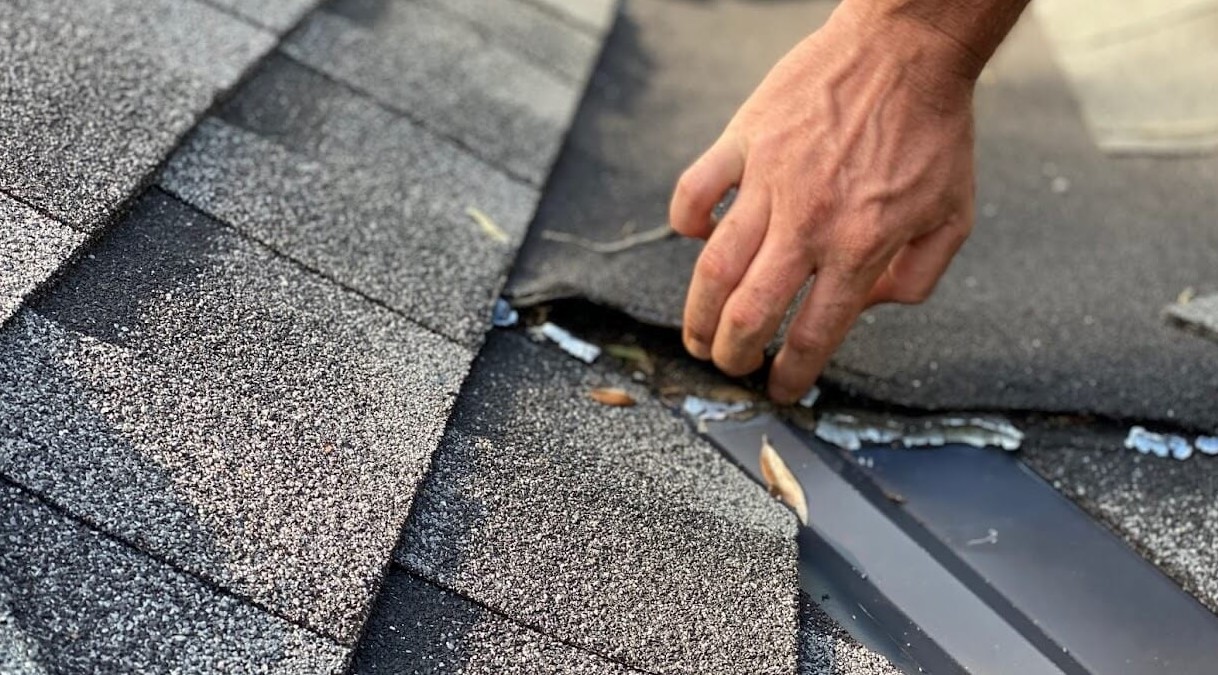
Look for missing, cracked, curling, or loose shingles. Cold weather can make shingles more brittle, increasing the risk of damage during winter storms.
Gutters and Downspouts
Are they clear and draining?
Clogged gutters trap water, which can freeze and create ice buildup. Make sure water can flow freely away from your home.
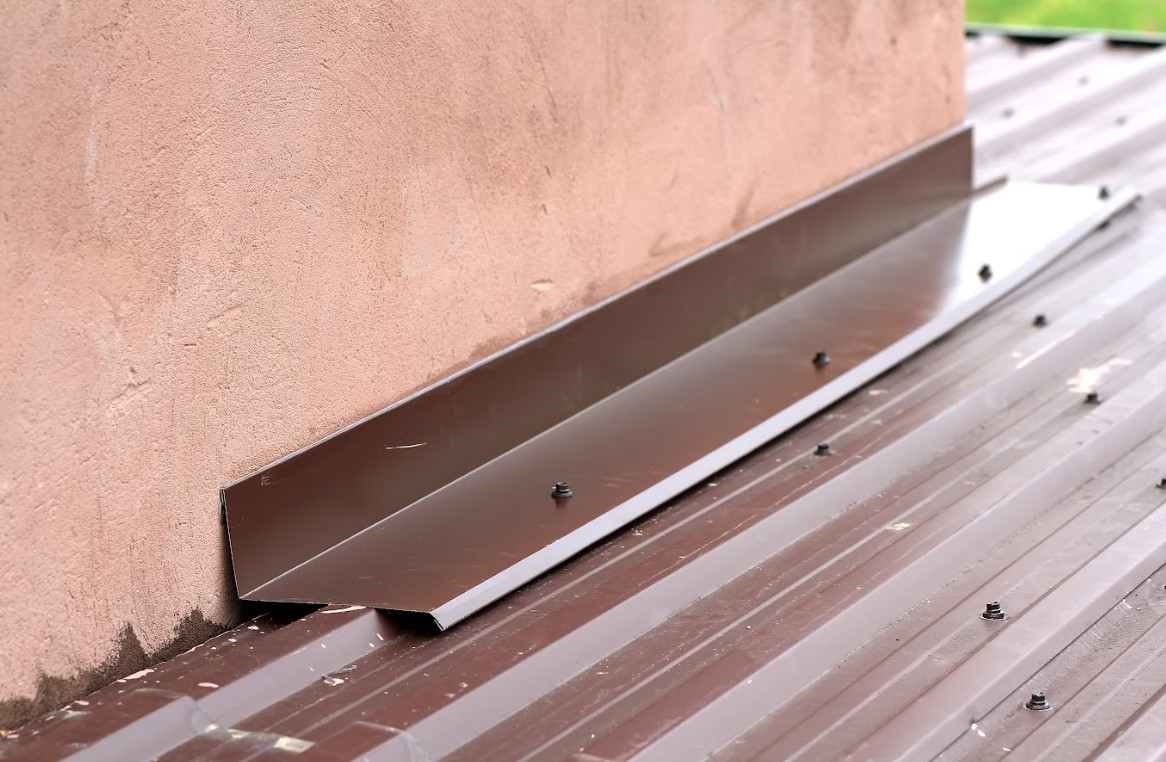
Flashing
Are roof edges sealed properly?
Check areas around chimneys, vents, skylights, and roof valleys. Damaged or loose flashing can allow water to enter during winter weather.
Roof Surface
Is there visible debris?
Leaves, branches, and debris can trap moisture on your roof. Removing buildup helps reduce the risk of mold and water damage.
Attic
What’s happening inside?
Look for moisture, frost, stains, or musty smells. These can point to ventilation or insulation issues that affect your roof’s performance.
Interior Ceilings
Do you see signs of leaks?
Check for stains, peeling paint, or soft spots on ceilings and upper walls.
Catching these issues now can prevent bigger problems once winter conditions arrive.
December Roof Checklist: Practical Steps for Homeowners
Inspect Your Roof from the Ground
Walk around your home and look at your roof from multiple angles. Pay attention to anything that looks uneven, damaged, or out of place.
Clean Out Gutters and Downspouts
Remove leaves, debris, and buildup so water can drain properly. This is one of the most important steps in winter roof maintenance.
Remove Roof Debris Safely
If you can do so safely, clear off branches and buildup from the roof surface. If not, a professional can handle it for you.
Check for Early Leak Signs
Look inside your home for ceiling stains, damp areas, or unusual smells. These are often early indicators of roof problems.
Look for Weak Spots Around Roof Features
Pay close attention to chimneys, vents, skylights, and edges where leaks are more likely to develop.
Schedule a Professional Roof Inspection
A professional can spot issues you might miss, including early signs of damage beneath the surface.
At Yellowfin Roofing, we provide clear assessments and explain what your roof needs before winter gets worse.
What Homeowners Should Do Next
If you want to prepare your roof for winter, follow this checklist:
- Inspect shingles and roof condition
- Clear gutters and downspouts
- Remove debris from the roof
- Check flashing and roof edges
- Inspect the attic for moisture or ventilation issues
- Look for interior water stains
- Schedule a professional estimate if anything looks off
Winter roof problems rarely fix themselves. Taking action now helps protect your home and avoid costly repairs later.