Managing a roofing project for an HOA isn’t just about replacing shingles or membranes. It’s about planning, budgeting, communicating, and protecting the property’s long-term value.
If you’re dealing with HOA roofing requirements, the stakes are higher than a typical residential job. You’re balancing resident expectations, board approvals, and building performance, all at the same time.
At Yellowfin Roofing, we work with property managers across Wilmington and the surrounding areas who need clear guidance and reliable execution. This guide breaks down what you need to know before your next commercial roofing or multi-family roofing project.
Key Takeaways
- HOA roofing requirements often dictate materials, colors, and approval processes
- Planning early helps avoid emergency repairs and budget issues
- Multi-family roof replacement projects require clear communication and phasing
- Choosing the right contractor matters more than choosing the lowest price
If you’re planning a roofing project for your community, schedule your free estimate with Yellowfin Roofing to get a clear scope and timeline.
Why HOA Roofing Requirements Matter More Than You Think
Unlike a single-family home, HOA and multi-family properties involve multiple stakeholders. That means more coordination and less margin for error.
HOA roofing requirements are designed to:
- Maintain a consistent community appearance
- Protect property values
- Confirm long-term durability
- Meet local building codes and insurance standards
Ignoring these requirements can lead to delays, fines, or even having to redo the work.
That’s why every project should start with understanding the rules, not just the roof.
Start Planning Before the Roof Becomes an Emergency
One of the biggest mistakes property managers make is waiting too long.
A roof rarely fails all at once. Instead, issues show up gradually:
- Recurring leaks
- Aging materials
- Repeated repair calls
- Visible wear across multiple buildings
When you wait until leaks are active, your options shrink. Costs go up, timelines tighten, and residents get frustrated.
What to Do Instead
- Schedule inspections when issues start repeating
- Review past repair history
- Compare repair costs vs replacement
- Plan ahead of peak roofing season
A proactive plan gives you more control and fewer surprises.
How to Build a Roofing Plan Around HOA Operations
A successful HOA roofing project isn’t just about installation. It’s about how the property functions during the process.
Key Factors to Consider
- Budget Planning: Align your project with reserve funds and board approvals early.
- Occupancy: You’re working around people’s homes. Noise, access, and safety matter.
- Weather Windows: Delaware weather can impact scheduling, especially during storm seasons.
- Phasing: Breaking work into sections reduces disruption.
Practical Planning Tips
- Separate buildings or sections into phases
- Communicate timelines clearly to residents
- Plan for material lead times
- Build in weather contingencies
If you need help mapping out your project, Yellowfin Roofing can walk you through the process during your free estimate.
Choosing the Right Scope (Not Just the Lowest Price)
It’s common for HOAs to request multiple bids. That’s smart, but price alone shouldn’t drive the decision.
A low bid often means something is missing.
What a Complete Roofing Scope Should Include
- Tear-off and disposal: Removal of existing materials
- Underlayment and waterproofing: Moisture protection layers
- Flashing and ventilation: Critical for long-term performance
- Decking allowances: Coverage for hidden structural damage
- Safety and staging: Protection for residents and property
Questions to Ask
- What’s included in the estimate?
- How are unexpected repairs handled?
- What warranties are provided?
- How will the project be phased?
A clear scope prevents change orders, delays, and disputes later.
Commercial Roofing for HOAs: System Considerations
Many HOA properties include more than just traditional sloped roofs.
You may be dealing with:
- Asphalt shingle systems
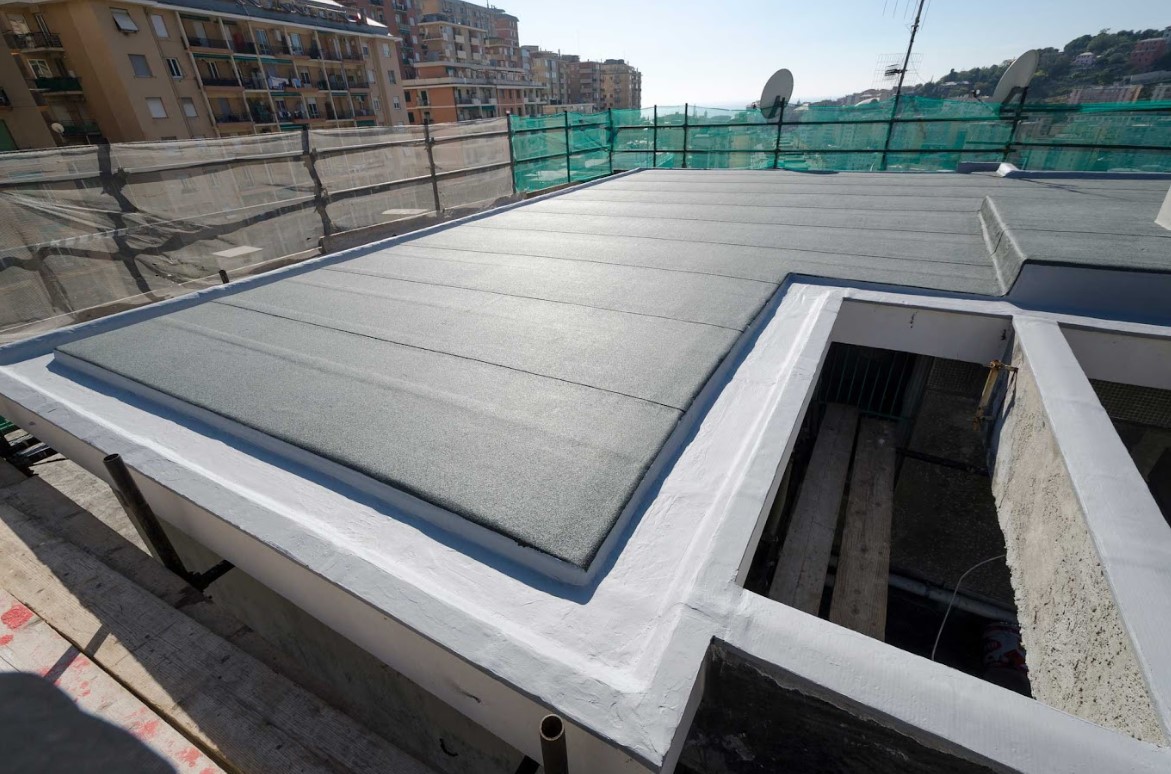
- Flat or low-slope roofing
- Clubhouse or mixed-use structures
- Drainage and ventilation upgrades
This is where commercial roofing for HOAs becomes important.
An experienced contractor should understand:
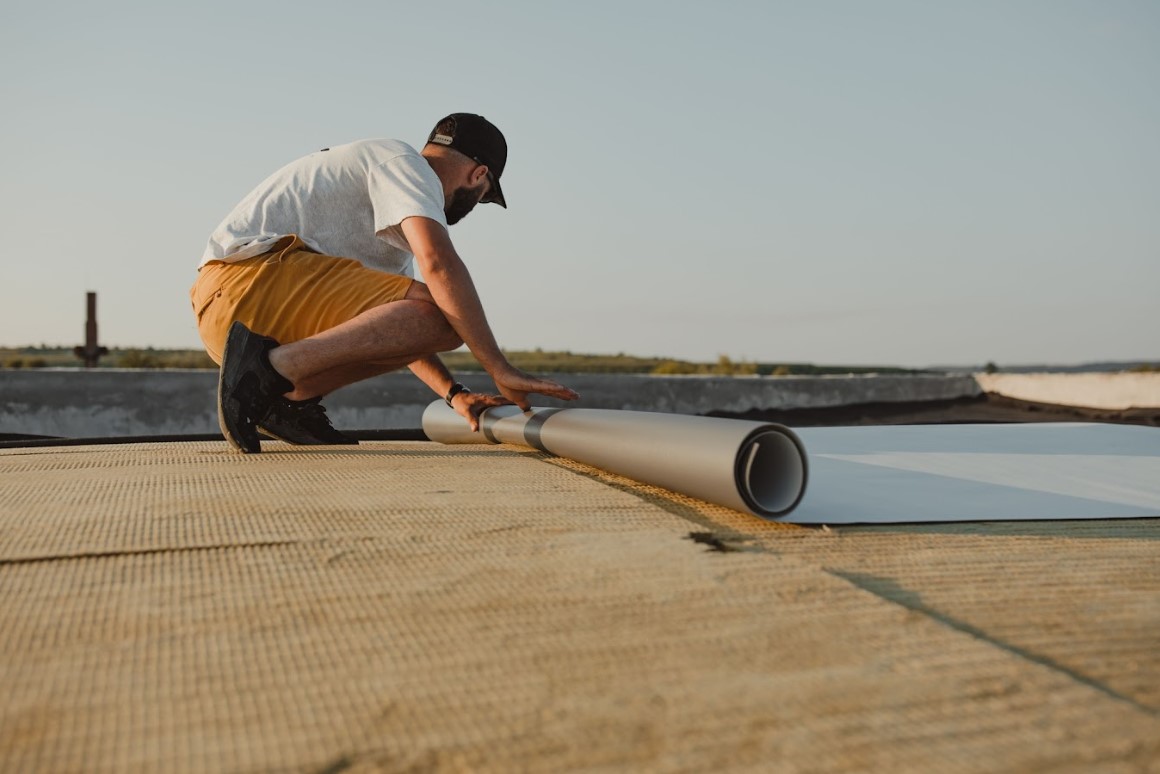
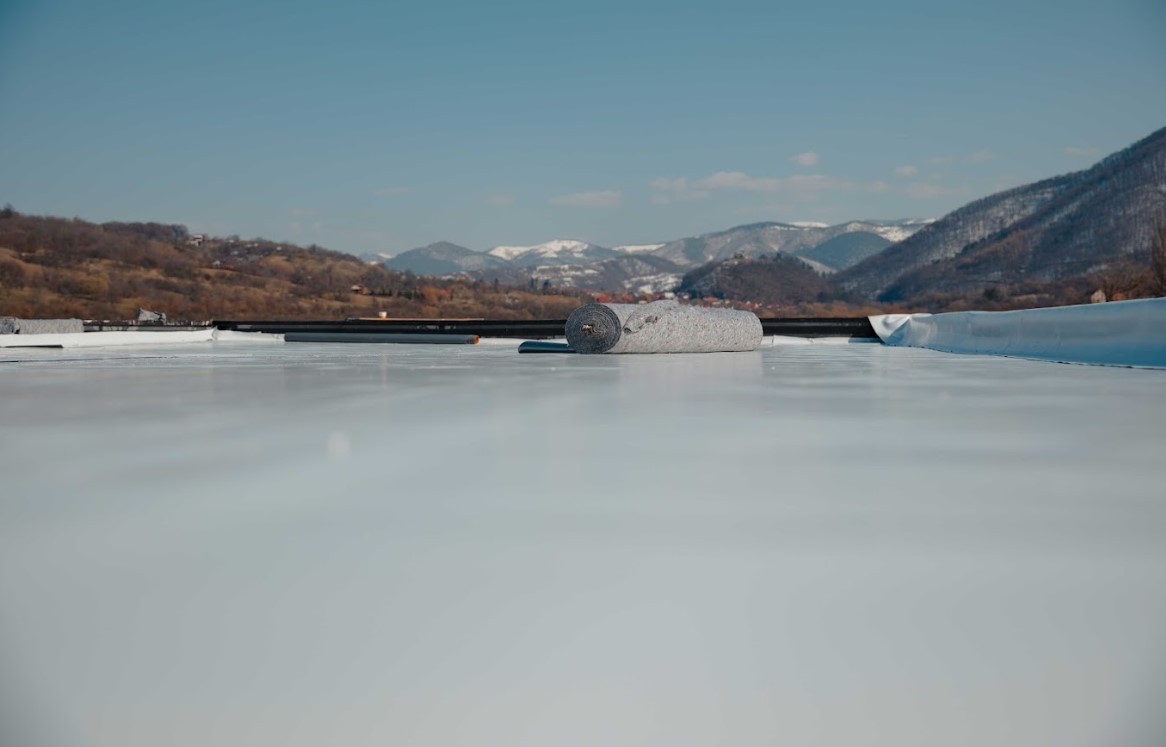
- Flat roofing systems (like TPO or EPDM)
- Drainage design and water management
- Code compliance for multi-family buildings
- Long-term maintenance planning
Choosing the right system is just as important as choosing the right contractor.
When to Repair vs Replace in HOA Communities
Not every issue requires full roof replacement, but repeated repairs can add up fast.
Repairs Make Sense When:
- Damage is isolated
- Roof is relatively new
- Issues are not recurring
Replacement Makes Sense When:
- Problems appear across multiple areas
- Roof is near end of lifespan
- Repair costs keep increasing
- Leaks are recurring
The goal is to avoid spending money twice.
A professional inspection helps you decide the right path.
Communication Is Critical in Multi-Family Projects
Roofing projects can disrupt daily life for residents. Clear communication helps avoid complaints and confusion.
What to Communicate
- Project start and end dates
- Daily work hours
- Parking or access changes
- Safety guidelines
- Contact information for questions
Best Practices
- Send updates before and during the project
- Designate a point of contact
- Provide clear expectations
A well-informed community is easier to manage during construction.
What to Look for in an HOA Roofing Contractor
Not every contractor is equipped to handle multi-family or HOA projects.
You need a partner who understands both roofing and property management dynamics.
Key Qualities to Look For
- Experience with HOAs: They should understand approval processes and community rules.
- Clear Communication: You shouldn’t have to chase updates.
- Detailed Proposals: Everything should be in writing.
- Proper Licensing and Insurance: Protects the property and the association.
- Proven Track Record: References and past projects matter.
Red Flags to Avoid
- Vague or incomplete estimates
- Pressure to sign quickly
- Lack of documentation
- Unrealistically low bids
Working with the right contractor reduces risk across the entire project.