If you own or manage a commercial building with a flat or low-slope roof, you’ve probably heard of TPO roofing.
TPO is one of the most common options for commercial flat roofs because it offers a strong mix of durability, energy efficiency, and cost-conscious performance. But like any roofing system, it is not the right fit for every building.
At Yellowfin Roofing, we help commercial property owners in Wilmington, Hockessin, Newark, and nearby areas compare roofing options clearly so they can make the right decision for their building and budget.
Key Takeaways
- TPO roofing commercial systems are made for flat and low-slope roofs.
- TPO uses a single-ply membrane that helps create a watertight, reflective roofing surface.
- TPO vs EPDM roofing usually comes down to energy efficiency, seam type, cost, and building needs.
- Thermoplastic polyolefin roofing cost depends on roof size, insulation, membrane thickness, access, and installation method.
Schedule your free estimate with Yellowfin Roofing to compare flat roof replacement options for your property.
What Is TPO Roofing?
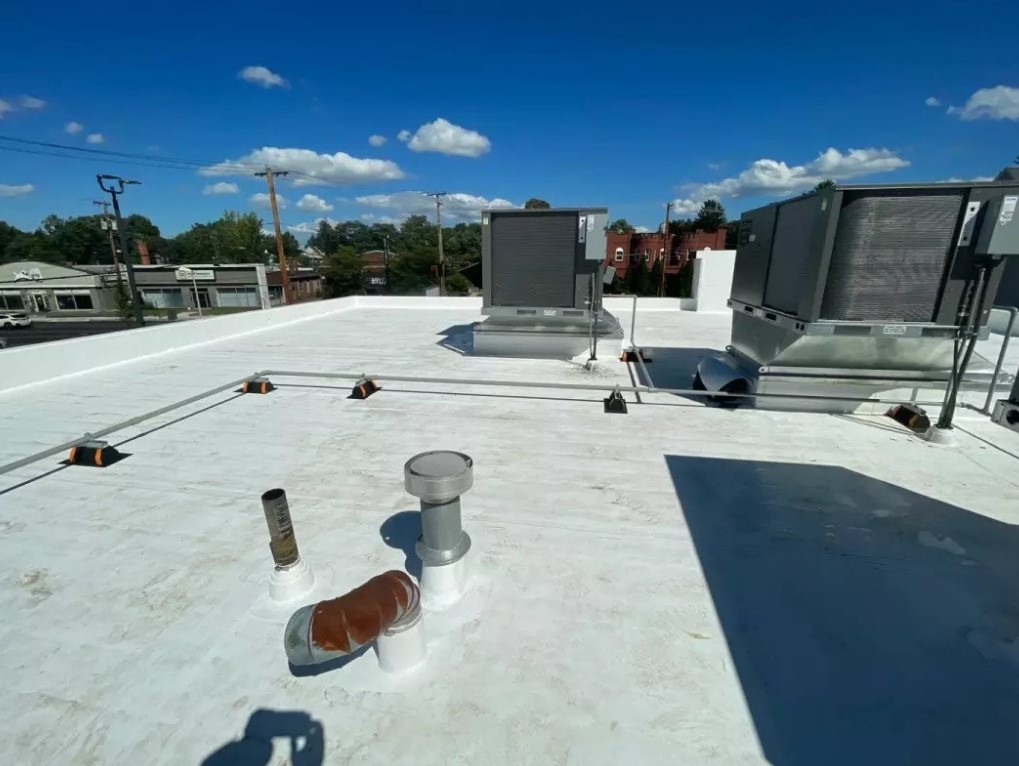
TPO stands for thermoplastic polyolefin. It is a single-ply roofing membrane commonly used on commercial flat and low-slope roofs.
A TPO roof system typically includes:
- Insulation: Helps with energy performance and creates a stable base.
- TPO membrane: The main waterproofing layer.
- Fasteners or adhesive: Secures the membrane to the roof deck.
- Flashing: Seals edges, walls, vents, drains, and rooftop equipment.
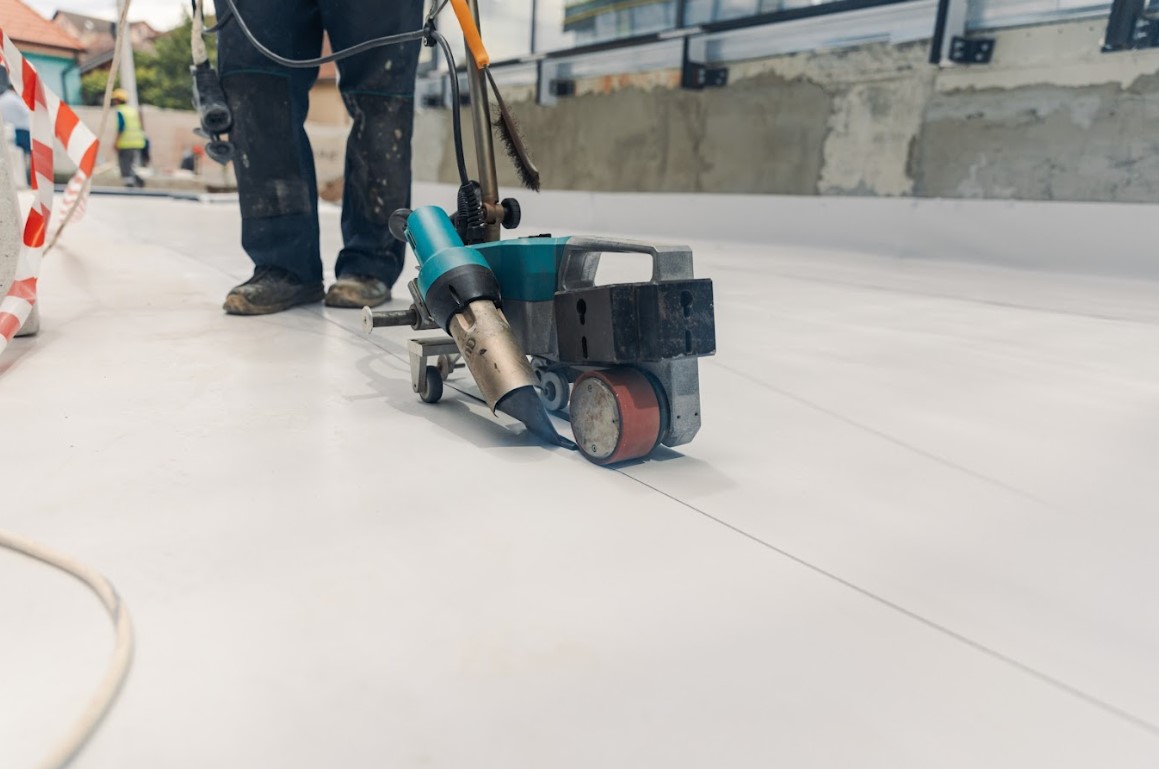
- Welded seams: Heat-fused seams that help create a watertight bond.
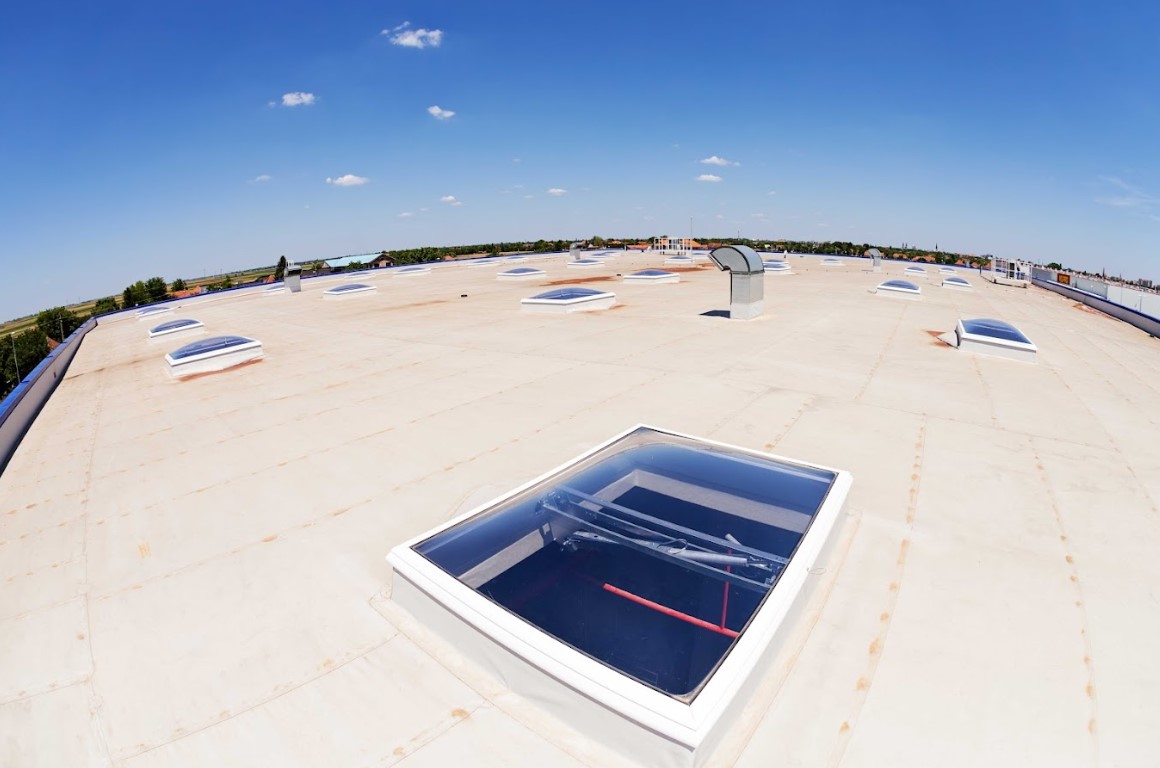
TPO is often white or light-colored, which helps reflect sunlight and reduce heat absorption. For commercial buildings, that can be helpful during warmer months when cooling costs rise.
Why TPO Roofing Commercial Systems Are Popular
TPO has become a common flat roof replacement option for several practical reasons.
Energy Efficiency
TPO’s reflective surface helps reduce heat buildup on the roof. This may help lower cooling demand, especially for buildings with large roof areas.
Strong Seams
TPO seams are heat-welded instead of glued. When installed correctly, welded seams create a strong bond that helps reduce the risk of leaks.
Durability
TPO is designed to resist UV exposure, weathering, punctures, and normal rooftop wear.
Cost-Conscious Performance
TPO often offers a good balance between performance and price, which makes it appealing for commercial building owners.
Versatility
TPO can be used on many building types, including offices, retail buildings, warehouses, medical buildings, and industrial properties.
What to Consider Before Choosing TPO Roofing
Before deciding on TPO, it helps to look at your building’s needs.
Roof Slope
Is your roof flat or low-slope?
TPO is designed for commercial flat or low-slope roofs. If water does not drain properly, the system may need drainage improvements before installation.
Existing Roof Condition
Does the old roof need removal?
Some buildings may require a full tear-off. Others may allow installation over part of the existing system, depending on the condition and code requirements.
Insulation Needs
Do you want better energy performance?
Insulation is a major part of a commercial roof system. Upgrading insulation during replacement can improve comfort and efficiency.
Rooftop Equipment
Does your roof have HVAC units, vents, or frequent foot traffic?
Areas around equipment need strong flashing, walkway pads, and careful detailing.
Long-Term Budget
Are you focused on upfront cost or lifecycle value?
TPO can be affordable compared to some systems, but membrane thickness, insulation, and installation quality affect long-term value.
TPO vs EPDM Roofing: What’s the Difference?
TPO and EPDM are both common single-ply flat roof systems, but they are not the same.
TPO Roofing
TPO is usually white or light-colored and has heat-welded seams.
Common benefits include:
- Reflectivity: Helps reduce heat absorption.
- Welded seams: Create strong, watertight connections.
- Modern appearance: Bright, clean surface.
- Energy focus: Often chosen for buildings with cooling concerns.
Things to consider:
- Installation quality matters: Poor seam welding can lead to leaks.
- Product quality can vary: Material choice and contractor experience are important.
EPDM Roofing
EPDM is a rubber roofing membrane, often black, known for its flexibility and long-term use.
Common benefits include:
- Flexibility: Handles temperature movement well.
- Proven performance: Has been used for decades.
- Simple repairs: Often straightforward to patch.
Things to consider:
- Heat absorption: Dark EPDM can absorb more heat than white TPO.
- Seam method: EPDM seams are typically adhesive-based rather than heat-welded.
When comparing TPO vs EPDM roofing, TPO often makes sense when energy efficiency and reflectivity are priorities. EPDM may make sense for buildings where flexibility and proven long-term performance are key.
Thermoplastic Polyolefin Roofing Cost: What Affects Price?
Thermoplastic polyolefin roofing cost can vary widely because every commercial roof is different.
Main cost factors include:
- Roof size: Larger roofs need more material and labor.
- Membrane thickness: Thicker membranes may cost more but can offer added durability.
- Insulation type: Polyiso and other insulation choices affect price.
- Installation method: Mechanically fastened, fully adhered, or induction-welded systems vary in cost.
- Existing roof removal: Tear-off and disposal add labor and expense.
- Access: Tall buildings or tight access areas can increase installation complexity.
- Flashing details: HVAC units, vents, drains, curbs, and walls add detail work.
Repairs below the roof: Damaged decking or wet insulation must be addressed before installation.
The best way to understand cost is to schedule a professional estimate. That gives you pricing based on your actual roof, not a generic range.
How to Keep a TPO Roof Performing Well
TPO roofs still need maintenance.
Use these flat roof maintenance tips:
- Inspect twice a year: Spring and fall are good times to check the condition.
- Check after storms: Look for debris, punctures, or drainage issues.
- Keep drains clear: Clogged drains can cause ponding water.
- Watch rooftop traffic: HVAC work can damage membranes if paths are not protected.
- Clean the surface when needed: Dirt buildup can reduce reflectivity.
- Repair small issues early: Punctures and loose flashing should not wait.
Regular maintenance helps extend the life of the system and prevents avoidable leaks.
What Property Owners Should Do Next
If you are considering TPO roofing for a commercial building, start with this checklist:
- Review your current roof age and condition
- Look for leaks, ponding water, or membrane damage
- Consider energy efficiency goals
- Compare TPO vs EPDM roofing
- Ask about insulation and drainage needs
- Schedule a professional estimate
At Yellowfin Roofing, we provide clear recommendations so you know what your building needs and why.