Fiber cement siding is one of the most popular siding options for homeowners who want durability, curb appeal, and long-term protection.
But once you start researching fiber cement siding cost, the numbers can feel all over the place. One home may cost far less than another, even when both use the same material.
That’s because siding cost depends on more than the product itself. Your home’s size, layout, existing siding, trim details, and installation needs all affect the final price.
At Yellowfin Roofing, we help homeowners in Wilmington, Hockessin, Newark, and nearby areas understand their siding options clearly so they can make confident decisions.
Key Takeaways
- Fiber cement siding usually costs more upfront than vinyl, but it offers strong durability and long-term value.
- Hardie board siding price can vary based on home size, labor, trim, removal, and installation complexity.
- The siding replacement cost in Delaware depends heavily on your home’s condition and project scope.
Schedule your free estimate with Yellowfin Roofing to learn what siding options make sense for your home.
How Much Does Fiber Cement Siding Cost?
Costs for fiber cement siding are going to vary quite a bit, but in general, homeowners can expect to spend around $6,589 – $23,187.
Why Fiber Cement Siding Cost Varies So Much
When homeowners ask about fiber cement siding cost, they’re usually looking for one simple number.
The problem? Siding replacement does not work that way.
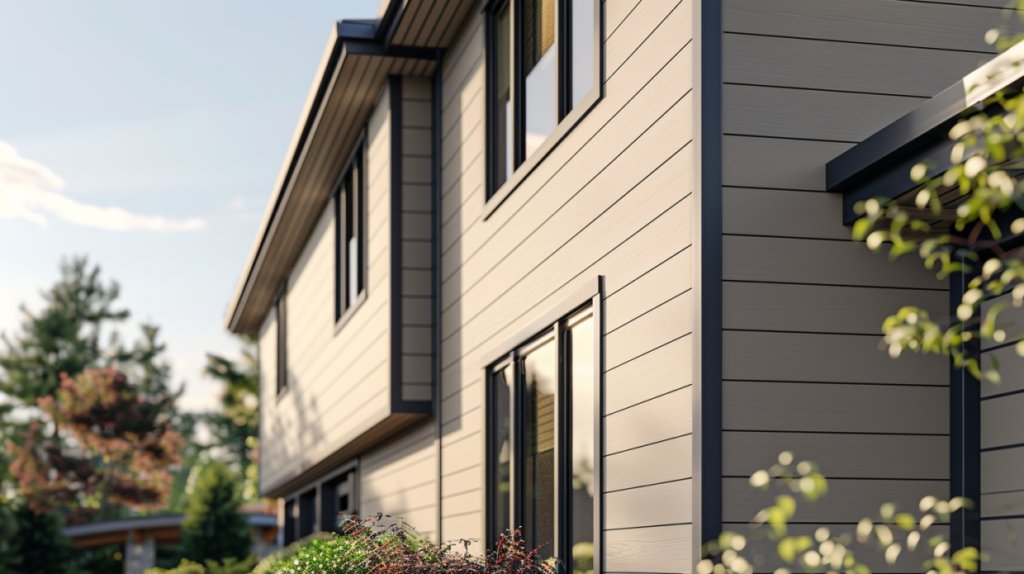
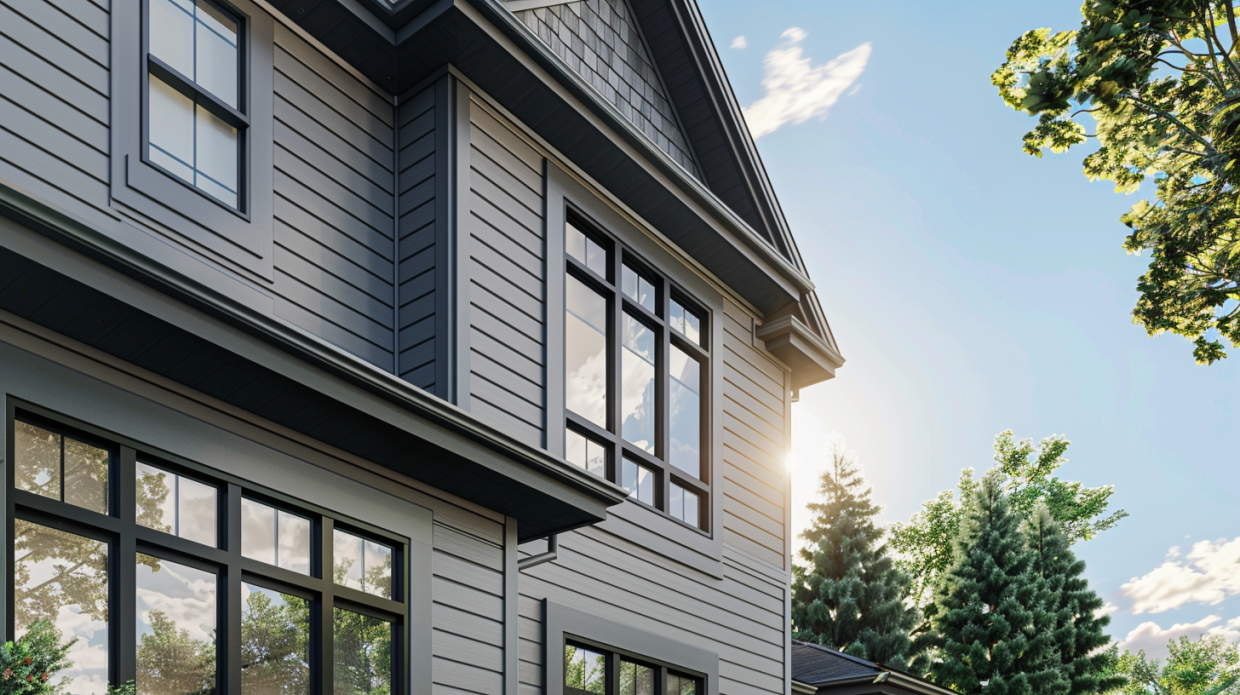
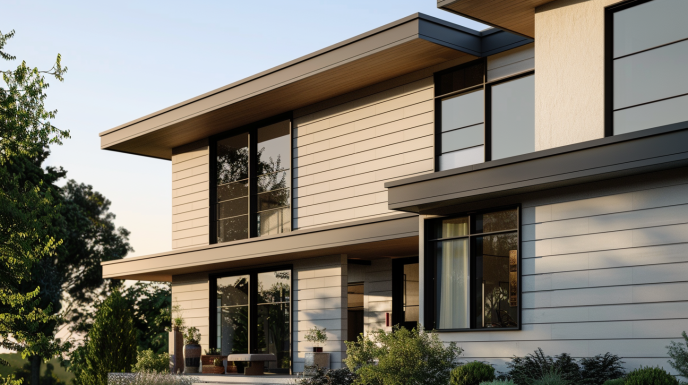
Fiber cement siding is a strong, heavier siding material made to stand up to moisture, pests, weather, and daily wear. It can also create a clean, finished look that resembles wood without the same level of upkeep.
Because the material is heavier and more detailed to install than vinyl, professional installation matters.
Cost can vary based on:
- Home size: Larger homes need more material and labor.
- Number of stories: Two-story homes usually take more time and equipment.
- Layout complexity: Dormers, gables, corners, and trim details increase labor.
- Existing siding removal: Old siding may need to be removed and disposed of.
- Wall condition: Damaged sheathing or moisture problems may need repair first.
- Trim and finishing: Corner boards, soffit, fascia, and window trim can affect pricing.
For homes in Delaware, siding also needs to hold up against rain, humidity, coastal moisture, wind, and seasonal temperature swings. That makes proper installation just as important as the material you choose.
What to Consider Before Budgeting for Fiber Cement Siding
Before comparing prices, it helps to understand what your project may require.
Home Size
How much siding does your home need?
More square footage means more material, more labor, and more time. A smaller ranch-style home will usually cost less than a larger two-story home with multiple exterior elevations.
Siding Style
What look do you want?
Fiber cement can come in different profiles, including lap siding, panels, and shingle-style siding. Some styles are more labor-intensive than others.
Existing Siding
Does the old siding need to come off?
If your current siding is damaged, loose, or trapping moisture, removal may be necessary. Once the old material is removed, your contractor can check the surface underneath.
Repairs Behind the Siding
Is there hidden damage?
Water damage, rot, or soft sheathing can add to the project cost. It’s better to address these problems before installing new siding.
Trim Details
Do you want a more finished look?
Trim around windows, doors, corners, and rooflines can improve curb appeal, but it also adds material and labor.
Installation Quality
Who is doing the work?
Fiber cement siding needs to be cut, fastened, sealed, and flashed correctly. Poor installation can lead to moisture issues, cracking, and early failure.
Fiber Cement Siding Cost: What Homeowners Are Paying For
A fiber cement siding estimate usually includes several parts of the project, not just the siding panels.
Materials
This includes the siding itself, trim pieces, fasteners, flashing, moisture barriers, and finishing materials.
Labor
Fiber cement is heavier than vinyl and requires careful installation. Skilled labor is a major part of the total cost.
Preparation
Your home may need old siding removal, surface repairs, moisture barrier installation, or flashing updates.
Finishing Details
Trim, caulking, paint, and final detailing help protect the siding and complete the look.
Cleanup
Siding replacement creates debris. A professional crew should remove old materials and leave your property clean.
This is why two homes in the same neighborhood can receive very different estimates. The details matter.
What Homeowners Should Do Next
If you’re planning a siding replacement, start with a simple checklist:
- Review your budget
- Think about how long you plan to stay in the home
- Compare fiber cement vs vinyl siding
- Look at trim, color, and style options
- Check for signs of siding damage
- Ask about removal and repair needs
- Schedule a professional estimate
The best way to understand your siding replacement cost in Delaware is to have a professional look at your home. That gives you a clearer picture of what your project actually needs.
At Yellowfin Roofing, we focus on communication, reliability, and honest recommendations from start to finish.