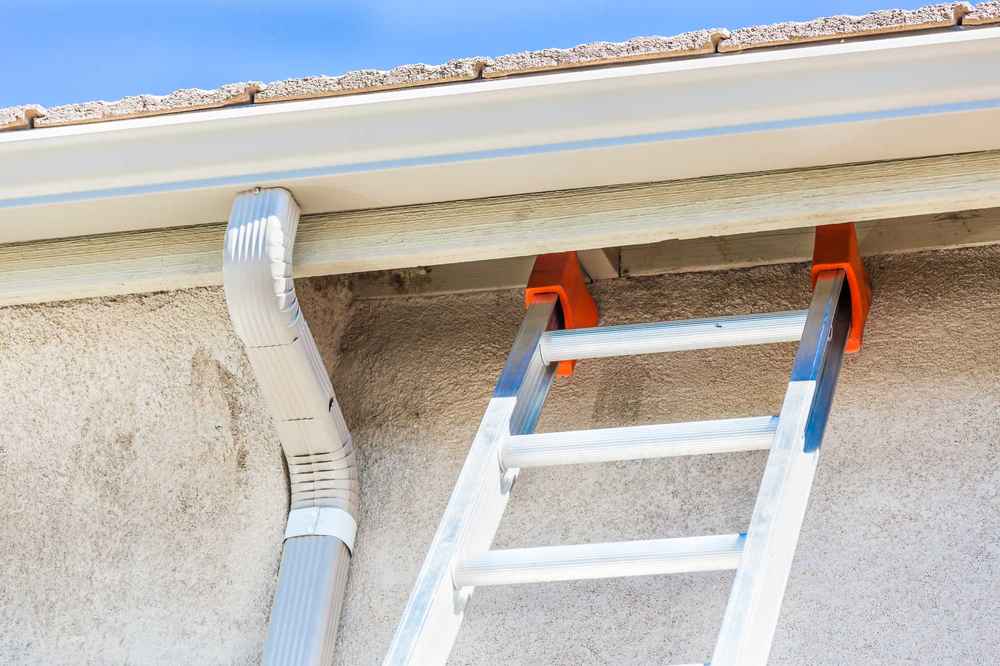

Gutters are easy to forget until they stop working.
After a long winter, your gutters have likely collected leaves, debris, and runoff from snow and rain. Even if everything looks fine from the ground, hidden buildup can block water flow and cause damage to your roof, siding, and foundation.
That’s why spring is the best time to focus on gutter maintenance. A few simple checks now can prevent bigger issues later.
At Yellowfin Roofing, we help homeowners across Wilmington, Hockessin, Newark, and nearby areas stay ahead of problems with clear inspections and reliable service.
Key Takeaways
- Spring is one of the most important times to clean and inspect your gutters.
- Clogged gutters can lead to water damage, mold growth, and roof issues.
- A simple gutter inspection checklist helps catch problems early.
- Professional inspections can identify hidden damage and recommend next steps.
If you’re unsure about your gutters, schedule your free estimate with Yellowfin Roofing.
Why Spring Gutter Cleaning Matters More Than Homeowners Realize
Most homeowners wait until they see water spilling over the sides of their gutters before taking action.
The problem? By the time that happens, damage may already be underway.
Gutters are designed to move water away from your home. When they’re clogged, that water has nowhere to go. Instead, it can back up under your roof, run down your siding, or collect around your foundation.
Spring is the ideal time to check your gutters because:
- Winter debris builds up: Leaves, twigs, and roof granules collect over time.
- Snow and ice leave behind moisture: Meltwater can carry debris into gutters and downspouts.
- Spring rain increases water flow: Blockages become more noticeable and more damaging.
- Hidden winter damage becomes visible: Loose sections or leaks often show up in spring.
Common clogged gutters damage includes:
- Water spilling over gutter edges
- Roof leaks near the eaves
- Foundation cracks or pooling water
- Mold or mildew growth
- Siding stains or deterioration
- Gutter sagging or detachment
In areas like Wilmington, Pike Creek, Middletown, and coastal Delaware communities, frequent rain and seasonal weather changes make proper drainage even more important.
That’s why spring gutter maintenance should be treated as preventative, not reactive.
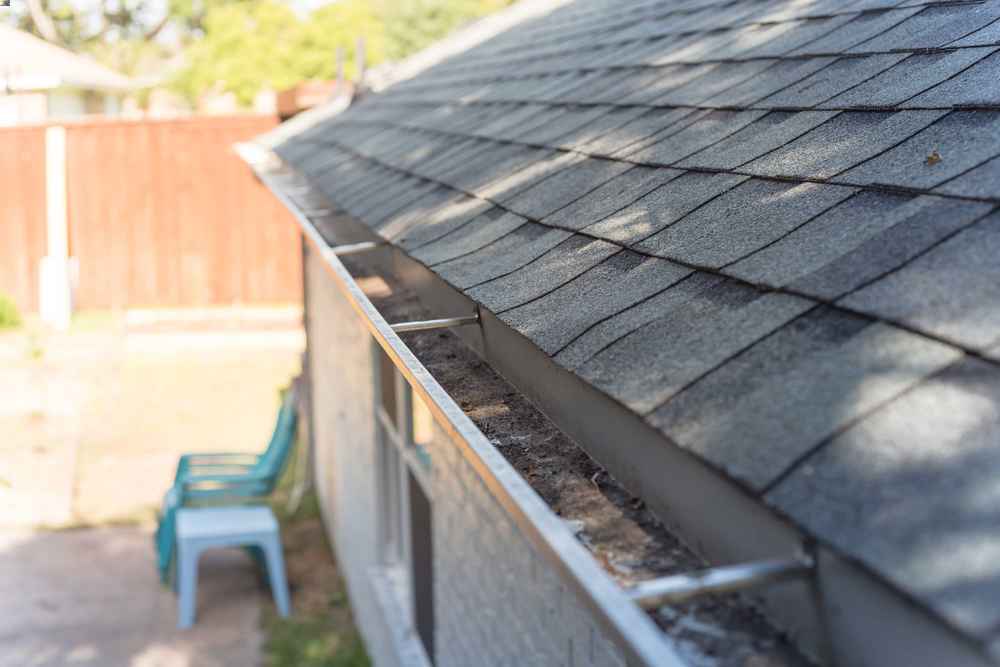
Gutter Inspection Checklist: What to Look for This Spring
Before small issues turn into expensive repairs, take time to inspect your gutters from the ground.
You don’t need to climb a ladder to spot most problems.
Visible Debris
What’s sitting in your gutters?
Look for leaves, twigs, dirt, and roofing granules. Even small amounts of buildup can slow water flow.
Water Flow Issues
Are your gutters draining properly?
After a rainstorm, check for water spilling over the edges or pooling near your home. This often points to a blockage.
Gutter Alignment
Do your gutters look straight?
Sagging sections may indicate excess weight from debris or standing water.
Downspouts
Is water moving away from your home?
Downspouts should direct water several feet away from your foundation. If water pools near the base, there may be a clog.
Seams and Joints
Do you see gaps or separation?
Leaks often occur where gutter sections connect. Watch for dripping or staining in these areas.
Roof Edge and Fascia
Is there any visible damage near the roofline?
Clogged gutters can push water under shingles or behind fascia boards, leading to wood rot.
Exterior Signs
What’s happening with your siding and foundation?
Look for water stains, peeling paint, or soil erosion around your home.
Catching these issues early helps protect both your gutter system and the structure of your home.
Spring Gutter Cleaning Tips Every Homeowner Should Know
Clean Gutters Before Heavy Rain Hits
Spring storms can bring steady rainfall. Clearing debris early ensures water flows properly when you need it most.
Don’t Wait for Visible Overflow
Waiting until water spills over your gutters usually means damage has already started. Stay ahead with routine cleaning.
Check Downspouts Along With Gutters
A clean gutter won’t help if the downspout is clogged. Make sure water can move through the entire system.
Watch for Roof Debris
Shingle granules in gutters can signal roof wear. If you notice buildup, it may be time for a roof inspection.
Trim Nearby Trees
Overhanging branches drop leaves and debris directly into your gutters. Trimming them back helps reduce buildup.
Consider Gutter Guards
Gutter guards can help reduce debris accumulation and improve long-term performance, especially in areas with heavy tree coverage.
Know When to Call a Professional
Gutter cleaning can be dangerous without the right equipment and experience. If you’re unsure, it’s best to bring in a professional.
At Yellowfin Roofing, we often find small issues during routine inspections that homeowners would not notice from the ground.
How Often Should Gutters Be Cleaned?
Most homes should have gutters cleaned at least twice a year, once in the spring and once in the fall.
However, your home may need more frequent cleaning depending on:
- Tree coverage: More trees usually mean more debris.
- Weather conditions: Heavy rain and storms in our climate can clog gutters quickly.
- Roof condition: Older roofs may shed more granules.
- Local environment: Coastal and humid areas may increase buildup.
If your home is surrounded by trees or experiences frequent storms, quarterly inspections may be a better approach.
Regular maintenance keeps your gutters working properly and helps extend the life of your roof.
How to Prevent Clogged Gutters Damage
Preventing problems is always easier than fixing them.
Here are a few simple ways to reduce the risk of clogged gutters:
- Install gutter guards: These help keep debris out while allowing water to flow through.
- Schedule routine cleanings: Staying consistent prevents buildup from getting out of control.
- Trim back branches: Reduce the amount of debris falling into your gutters.
- Check after storms: High winds can quickly fill gutters with leaves and debris.
- Maintain your roof: Damaged shingles can contribute to gutter clogs.
For homeowners considering upgrades, seamless gutter installation in Wilmington, DE can also improve performance. Seamless systems reduce the number of joints where leaks and clogs often occur.
What Homeowners Should Do Next
If you want to protect your home this spring, start with a simple plan:
- Inspect your gutters from the ground
- Look for debris, sagging, and drainage issues
- Check downspouts and water flow
- Watch for signs of water damage around your home
- Avoid climbing ladders without proper safety measures
- Schedule a professional estimate if something looks off
Gutter problems rarely fix themselves. Small issues can quickly turn into larger repairs if left unchecked.
At Yellowfin Roofing, we focus on clear communication and reliable service, so you always know what’s happening with your home.