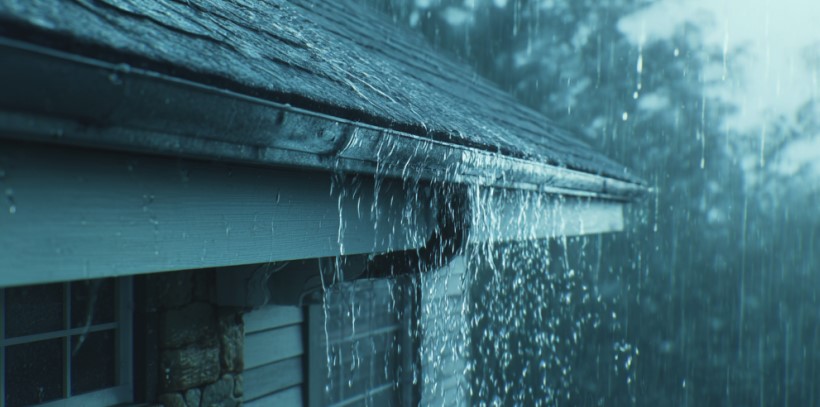
Overflowing gutters can turn a rainy day into a much bigger problem. Water spilling over the sides may not look urgent at first, but it can damage your roofline, siding, landscaping, foundation, and even the inside of your home.
The problem? Gutter overflow usually means water is not moving where it should.
At Yellowfin Roofing, we help homeowners in Wilmington, Hockessin, Newark, and surrounding areas identify the cause of gutter problems and fix them before they cause more damage.
Key Takeaways
- Gutter overflows often result from clogs, poor slope, undersized gutters, loose sections, or blocked downspouts.
- The right gutter overflow fix depends on what is stopping water from draining correctly.
- Regular cleaning, proper installation, and timely gutter repair can help protect your home from water damage.
If your gutters keep overflowing, Yellowfin Roofing is here to help. Schedule your free estimate today.
Why Overflowing Gutters Are More Than a Small Problem
Gutters are designed to move rainwater away from your home. When they work correctly, water flows off your roof, through the gutters, down the downspouts, and away from the foundation.
When they overflow, that water has to go somewhere else.
Common problems caused by overflowing gutters include:
- Fascia damage
- Siding stains
- Foundation moisture
- Basement or crawl space water issues
- Landscape erosion
- Roof edge damage
- Mold or mildew growth
- Gutter sagging or separation
Homes in Wilmington and nearby Delaware communities deal with rain, storms, leaves, and seasonal debris. If your gutter system is clogged, loose, or not sized correctly, overflow can happen quickly during heavy rainfall.
That’s why it’s important to find the real cause instead of just cleaning up the water afterward.
What to Check Before Choosing a Gutter Overflow Fix
Before you decide whether you need cleaning, repair, or replacement, start with a safe visual check.
Downspouts
Is water coming out where it should?
During or after rain, check whether water is flowing from the bottom of the downspout. If little or no water comes out, there may be a clog.
Gutter Slope
Does water sit in one section?
Gutters need a slight pitch toward the downspouts. Standing water may mean the gutter is not angled correctly.
Gutter Attachment
Are sections pulling away?
Loose or sagging gutters can spill water behind the gutter instead of carrying it away from the house.
Roofline Debris
Are leaves and sticks building up?
Tree debris can block gutters and downspouts, especially during fall and after storms.
Overflow Location
Where is the water spilling?
Overflow near a downspout may point to a clog. Overflow in the middle may point to sagging, poor slope, or undersized gutters.
Catching these signs early gives you more options and helps prevent larger repairs later.
5 Gutters Overflowing Causes and How to Fix Each One
1. Clogged Gutters
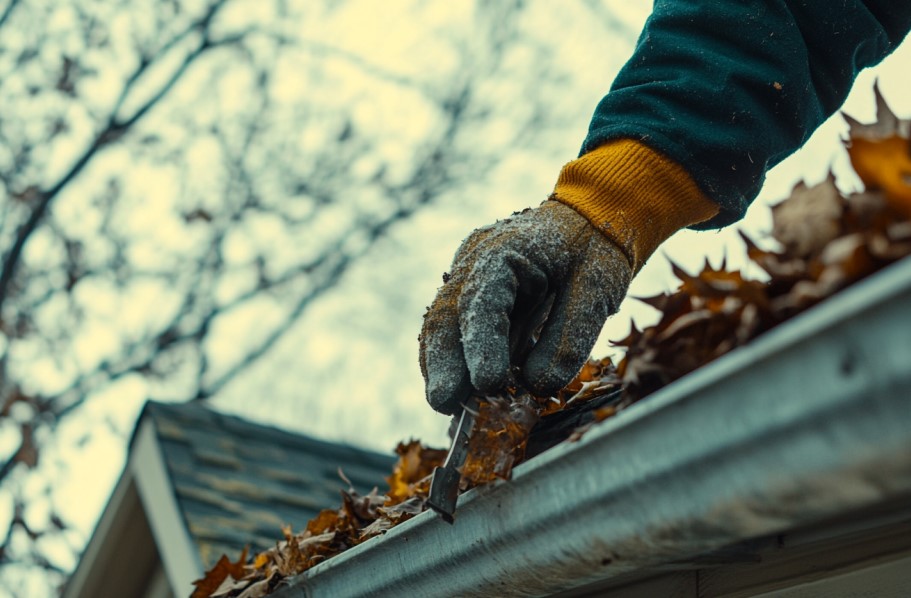
Leaves, twigs, dirt, shingle granules, and roof debris can collect inside your gutters. Once enough debris builds up, water cannot flow toward the downspout.
Gutter overflow fix: Clean the gutters and flush the downspouts. If clogs keep coming back, consider gutter guards or a maintenance plan.
2. Blocked Downspouts
Sometimes the gutter itself looks clear, but the downspout is blocked. This traps water in the gutter until it spills over the edge.
Gutter overflow fix: Run water through the downspout to test flow. If water backs up, the downspout may need to be cleared or removed and cleaned.
3. Poor Gutter Slope
Gutters must be angled correctly so water moves toward the downspouts. If the slope is too flat, water sits. If it is too steep, water may rush past the downspout area.
Gutter overflow fix: Have the gutter pitch checked and adjusted. This is usually a job for a gutter repair professional because small-angle changes matter.

4. Loose or Sagging Gutters
Over time, gutters can pull away from the fascia or sag under the weight of debris and standing water. When this happens, water may run behind the gutter or spill over low spots.
Gutter overflow fix: Re-secure loose sections, replace damaged hangers, and check the fascia for rot or water damage.
5. Undersized Gutters
Some gutter systems are too small for the roof size, roof pitch, or amount of rainfall the home receives. During heavy storms, the system cannot move water fast enough.
Gutter overflow fix: Upgrade to a properly sized gutter system with the right number of downspouts for your home.
Clogged Gutters Solutions That Help Prevent Future Problems
Cleaning your gutters once can solve an immediate overflow issue, but prevention is what keeps the problem from coming back.
Helpful clogged gutters solutions include:
- Seasonal cleaning: Clean gutters in spring and fall, and after major storms.
- Tree trimming: Cut back branches that drop leaves and debris onto the roof.
- Downspout checks: Make sure water exits several feet away from the foundation.
- Gutter guards: Reduce the amount of debris entering the system.
- Professional inspection: Have a contractor check slope, attachment, seams, and drainage.
Good gutter maintenance does not just protect your gutters. It helps protect your roof, siding, foundation, and landscaping.
What Homeowners Should Do Next
If your gutters overflow every time it rains, start with this checklist:
- Watch where the overflow happens
- Check for visible debris
- Look for sagging or loose sections
- Make sure downspouts are draining
- Look for staining on siding or fascia
- Avoid climbing ladders if conditions are wet or unsafe
- Schedule gutter repair if the issue keeps coming back
Some gutter issues are simple. Others point to poor installation, storm damage, or a system that no longer fits your home’s needs.
At Yellowfin Roofing, we can help you understand what’s causing the overflow and what repair makes the most sense.