Hailstorms don’t always leave obvious damage behind.
From the ground, your roof might look fine. But even small hail can weaken shingles, loosen granules, and create hidden issues that may not show up for weeks or months.
That’s why understanding the signs of hail damage on a roof matters. Catching problems early can help prevent leaks, structural damage, and expensive repairs.
At Yellowfin Roofing, we help homeowners in Wilmington, Hockessin, Newark, and nearby areas inspect storm damage clearly and take the right next steps.
Key Takeaways
- Hail damage is not always visible from the ground.
- Granule loss, dents, cracks, and soft impact spots are common signs.
- All roof types can be affected, including asphalt, metal, tile, and wood.
- Early inspection helps prevent leaks and supports a stronger insurance claim.
Schedule your free estimate with Yellowfin Roofing if you suspect hail damage.
Why Hail Damage Often Goes Unnoticed
Hail damage rarely shows up as one large problem.
Instead, it appears as small impacts across different areas of your roof. These impacts may not cause immediate leaks, but they can weaken materials over time.
Hailstones can:
- Knock granules off shingles
- Create small cracks or dents
- Loosen seals and fasteners
- Weaken protective coatings
- Expose underlying materials
The challenge is that these issues may not be easy to see without a closer inspection.
In Wilmington and the surrounding Delaware areas, storms can bring wind, rain, and hail together. That combination can make roof damage more complex and harder to spot.
Common Hail Damage Roof Signs to Watch For
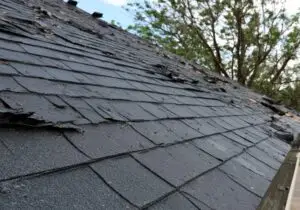
Granule Loss on Asphalt Shingles
What it looks like:
- Dark or bare spots on shingles
- Granules are collecting in gutters or downspouts
- Shingles appearing patchy or uneven
Granules protect shingles from sun exposure and weather. When they are knocked off by hail, the shingles become more vulnerable to damage.
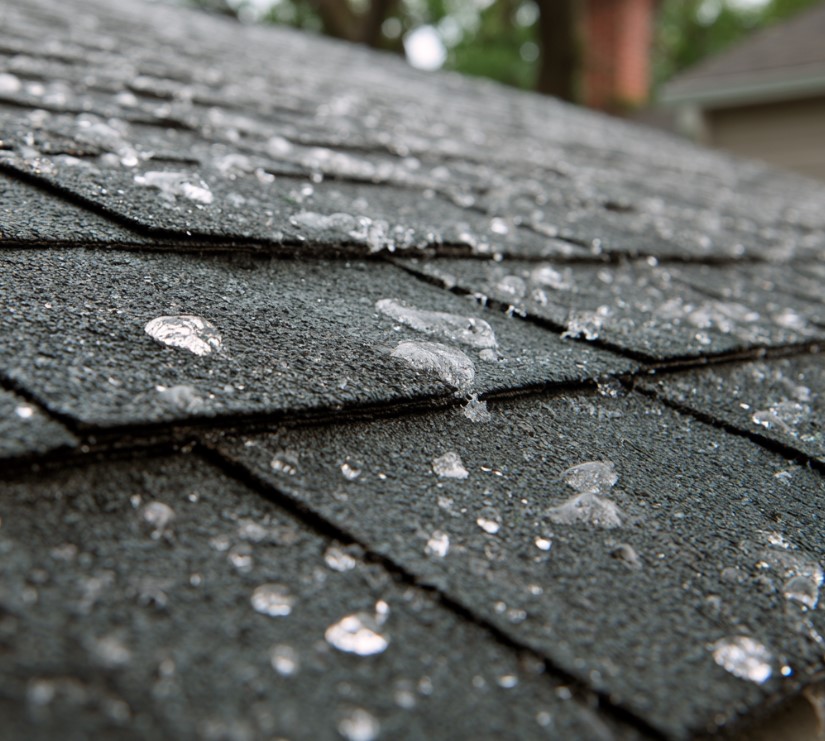
Dents or Soft Impact Marks
What it looks like:
- Small dents on shingles or metal roofing
- Soft spots that feel slightly depressed
- Random impact marks with no clear pattern
Hail damage usually appears randomly across the roof, not in straight lines. This helps distinguish it from normal wear.
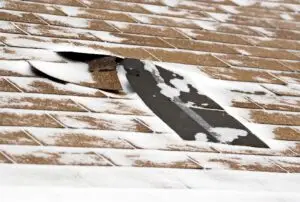
Cracked or Broken Shingles
What it looks like:
- Split or cracked shingle tabs
- Edges that appear chipped or damaged
- Missing pieces after a storm
Cracks allow water to enter beneath the surface, which can lead to leaks over time.
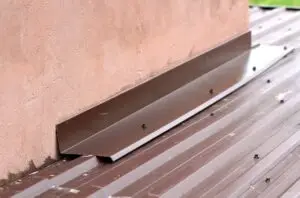
Damaged Flashing and Roof Components
What it looks like:
- Bent or dented flashing around vents and chimneys
- Loose or damaged seals
- Dents on vents, exhaust covers, or metal fixtures
These areas are more exposed and often show signs of hail impact first.
Gutter and Downspout Damage
What it looks like:
- Dents in gutters or downspouts
- Granules collecting near drainage points
- Clogging from debris after a storm
Gutters can provide early clues that your roof has taken a hit.
Interior Signs of Roof Damage
What it looks like:
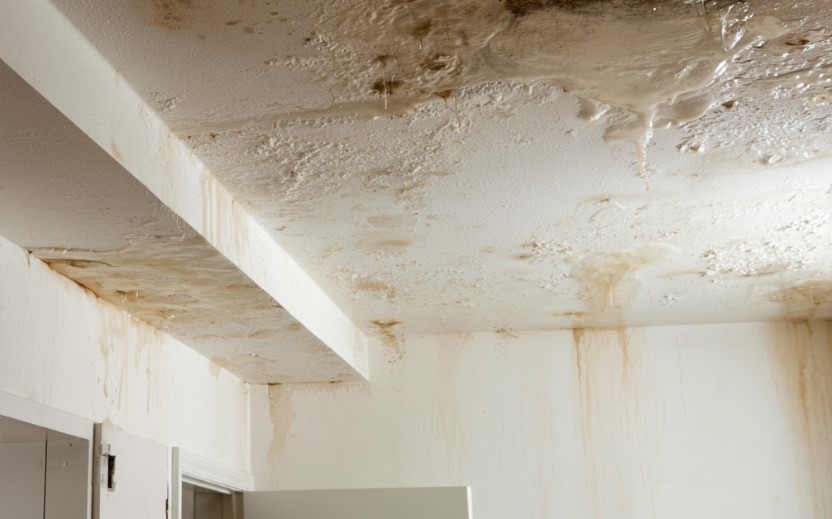
- Water stains on ceilings or walls
- Damp insulation in the attic
- Musty odors or increased humidity
Interior signs usually mean the damage has progressed beyond the surface.
How to Identify Roof Hail Damage by Material
Different roofing materials react to hail in different ways.
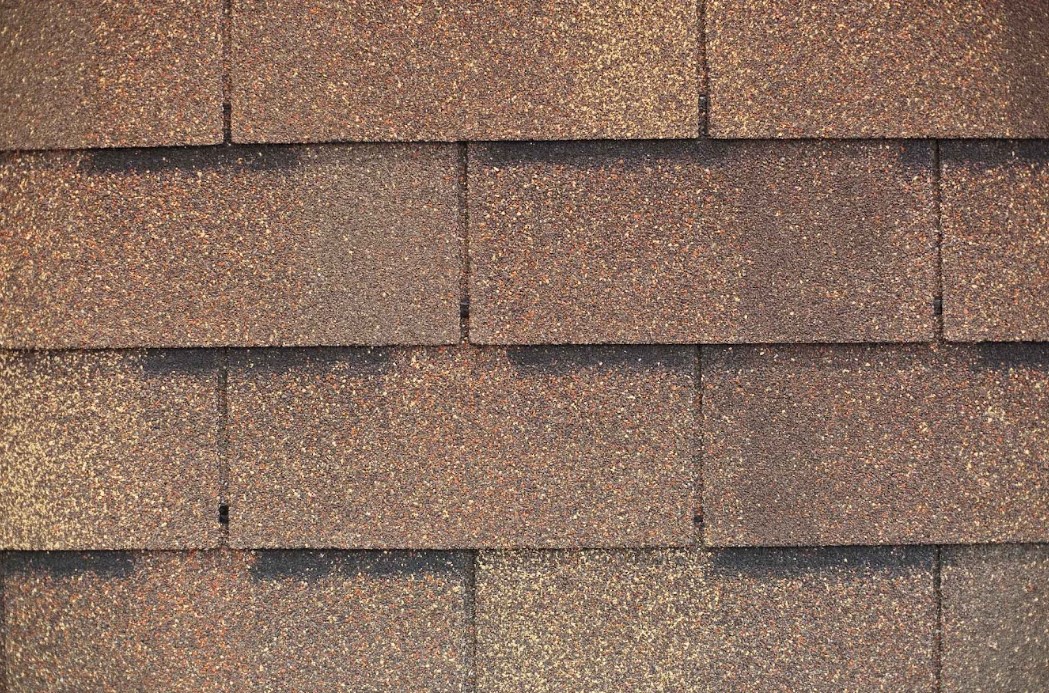
Asphalt Shingles
Most common and most vulnerable.
Look for:
- Granule loss
- Dark impact spots
- Soft or bruised areas
- Cracked or missing shingles
Metal Roofs
More resistant, but not immune.
Look for:
- Dents or depressions
- Scratches in protective coatings
- Loose seams or fasteners
Tile or Slate Roofs
Strong but can crack under impact.
Look for:
- Broken or chipped tiles
- Visible cracks
- Dislodged sections
Wood Shingles or Shakes
Sensitive to impact and aging.
Look for:
- Splits or cracks
- Dents or bruising
- Surface scarring
What to Do After a Hailstorm
If your area experienced a storm, take action early.
Step 1: Inspect Safely From the Ground
Walk around your home and look for visible damage.
Check gutters, siding, and any debris near your property.
Step 2: Document What You See
Take photos of:
- Roof areas you can safely view
- Gutters and downspouts
- Fallen shingles or debris
- Interior stains or leaks
Documentation helps support any future claim.
Step 3: Schedule a Professional Inspection
A professional inspection is the best way to confirm damage.
At Yellowfin Roofing, we look beyond the surface to identify issues that may not be visible from the ground.
Step 4: Consider Your Insurance Options
If damage is confirmed, you may need to file a roof hail damage claim.
Your insurance policy may cover repairs or replacement, depending on the cause and your coverage.
Roof Hail Damage Claim: What Homeowners Should Know
Filing a claim can feel overwhelming, but preparation helps.
Keep in mind:
- Insurance usually covers sudden storm damage, not wear and tear
- Documentation is critical
- Professional estimates help support your claim
- Deadlines may apply
If you’re unsure about your next step, a roofing contractor can help you understand the process and provide clear guidance.
When to Repair vs Replace After Hail Damage
Not all hail damage requires full replacement.
Roof Repair May Be Enough When:
- Damage is limited to a small area
- The roof is relatively new
- There are only a few affected shingles
Roof Replacement May Be Needed When:
- Damage appears across multiple areas
- Shingles are aging or already worn out
- Leaks are developing in multiple spots
- Structural layers are affected
A professional inspection helps determine which option makes the most sense.
What Homeowners Should Do Next
If you suspect hail damage, start with a simple checklist:
- Inspect your property from the ground
- Look for dents, granule loss, and debris
- Check inside for water stains
- Take photos of anything unusual
- Schedule a professional estimate
- Review your insurance coverage
- Act quickly before damage spreads
Hail damage does not fix itself. The sooner you address it, the better your chances of preventing larger repairs.