Moss on roof shingles is more than a cosmetic problem: it holds water against the roof, lifts shingle edges, and opens a path for leaks into the decking below. Algae and lichen behave differently, so the right fix depends on which one you are looking at. Here in Delaware, our humid summers, mild and damp winters, and mature shade trees give all three plenty of what they need to thrive, especially on north-facing slopes. The good news is that most growth can be removed safely and kept from coming back with a few smart changes. This guide explains how to tell moss, algae, and lichen apart, which removal methods protect your shingles and which ones quietly ruin them, and the prevention steps that work best for homes across New Castle, Kent, and Sussex counties.
Key Takeaways
- Moss is the most damaging of the three because it traps moisture and can lift shingles, while dark algae streaks are mostly a cosmetic problem.
- The Asphalt Roofing Manufacturers Association warns that high-pressure washing is likely to damage asphalt shingles and should never be used to remove algae.
- More sunlight on the roof is the most effective long-term defense, which makes trimming overhanging branches the first prevention step for most Delaware homes.
- Algae-resistant shingles and zinc or copper strips near the ridge slow regrowth, but zinc corrodes copper gutters and flashing, so the two should not be mixed.
What is the difference between moss, algae, and lichen on a roof?
Moss forms green, cushion-like clumps that usually start in the gaps between shingle tabs and along the lower edges. It acts like a sponge, soaking up rain and dew and holding that water against the roof for days at a time.
Algae shows up as dark brown or black streaks running down the slope. According to the Asphalt Roofing Manufacturers Association, a species called Gloeocapsa magma is probably the most common cause of this discoloration, and the problem is most widespread along the Eastern Seaboard and in other warm, humid regions. Algae on roof shingles is unsightly and can make a well-kept home look neglected, but on its own it rarely causes leaks.
Lichen is a partnership between a fungus and an alga. It appears as crusty, flat, gray-green or pale circles that cling tightly to the shingle surface. Lichen anchors itself into the granules, so pulling it off by force often strips those granules away with it.
Why does moss on roof shingles grow so well in Delaware?
Moss needs two things to take hold: steady moisture and shade. Delaware supplies both for most of the year. Our summers are long and humid, fall and spring bring frequent soaking rains, and winter is usually damp more often than it is frozen solid.
Shade is the bigger factor. Plenty of established neighborhoods in northern New Castle County sit under tall oaks, maples, and tulip poplars, and those canopies keep roofs cool and wet long after a storm passes. Homeowners looking for roofing in Greenville, DE and the surrounding Brandywine Valley often see moss first on the north side of the house, where the sun barely reaches in winter.
Other conditions that speed up growth include:
- Overhanging branches that drop leaves, needles, and seed pods onto the roof
- Clogged gutters that keep the lower edge of the roof wet
- Older shingles that have lost granules and hold more moisture
Specialists at Oregon State University Extension, a region famous for roof moss, put it simply: you have to let the sun in or the moss will return. The same principle applies to a shaded roof in Delaware.
Is moss on a roof actually harmful?
Yes, moss on roof surfaces causes real damage when it is left in place for more than a season or two. The harm comes from the moisture it holds and the way it grows.
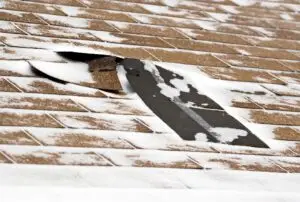
As a clump thickens, it wedges under the bottom edge of the shingle above it. Oregon State University Extension notes that moss on asphalt and metal roofs can lift shingles and allow water to penetrate and damage the layers underneath. Once a shingle edge lifts, wind-driven rain can reach the underlayment and the wood deck.
Delaware winters add to the risk, because water held in moss freezes and thaws on cold nights and pries shingle edges up a little further each cycle. Over time, that can lead to:
- Curled, cracked, or lifted shingles
- Granule loss that shortens the life of the roof
- Soft spots or rot in the roof decking
- Leaks that show up as ceiling stains long after the damage started
Algae streaks are mainly an appearance issue, and lichen damage is usually limited to granule loss where it attaches. Moss is the one that deserves prompt attention. If you notice shingles that no longer lie flat where moss has been growing, schedule a professional roof repair inspection before the next freeze makes the problem worse.
How do you clean moss on roof shingles safely?
The safest way to clean moss on roof shingles is gently, from the top down, with a cleaner that is approved for asphalt roofing. Aggressive methods remove moss quickly, but they also remove the protective granules that keep shingles working.
If you are comfortable working from a ladder on a low-pitch roof, here is the approach that protects your shingles:
- Pick a cool, overcast, dry day. Cleaners work better when they do not evaporate in direct sun, and a dry roof is less slippery to work around.
- Protect your landscaping. Wet down shrubs and plants below the roofline and cover them with plastic, since runoff from many cleaners can harm them.
- Loosen growth with a soft brush. Work from the ridge down toward the gutters so you never push moss up under a shingle edge.
- Apply a roof-safe cleaner. ARMA notes that a diluted household bleach solution can lighten algae stains, with mixing directions that vary by shingle manufacturer, and that it should sit for about 15 to 20 minutes before a gentle rinse.
- Rinse with low pressure only. A regular garden hose is all you need. Never point a pressure washer at asphalt shingles.
- Let dead moss fall away over time. Moss that has been treated often releases over the following weeks as rain washes it off. Avoid prying at stubborn clumps.
Removing moss from a roof by scraping or pressure washing is the most common mistake we see. ARMA states plainly that high-pressure washing systems are likely to damage asphalt roofing and should not be used to remove algae. Stiff brushes and brooms can also tear granules loose. Treat lichen and let it release on its own, since forcing it off takes the granules with it.
Safety matters as much as technique. Wet roofs are extremely slick, and the Oregon State guidance recommends safety belts and lines on steep roofs, near edges, or where eaves exceed 16 feet. For most two-story Delaware homes, that means this is a job for a professional crew with fall protection.
How can you prevent moss and algae from coming back?
Cleaning alone buys you a season or two. Lasting results come from changing the conditions that let growth return, roughly in this order of impact:
- Trim back overhanging branches. More sunlight and better airflow dry the roof faster after rain. This single step does more than any product.
- Keep the roof and gutters clear. Leaves and debris piled in valleys and gutters hold moisture against the shingles and feed new growth.
- Install zinc or copper strips near the ridge. When rain washes over these metal strips, it carries trace amounts of metal down the roof that inhibit moss and algae. One important caution from Oregon State Extension: zinc corrodes copper, so do not use zinc products on a roof with copper gutters, downspouts, or flashing.
- Improve attic ventilation. A well-vented attic helps the roof deck dry out and reduces the condensation that keeps shingles damp from below.
- Choose algae-resistant shingles at your next replacement. ARMA notes that several algae-resistant roofing products are designed to inhibit growth for extended periods, typically by blending copper-containing granules into the shingle surface.
If your roof is approaching the end of its life anyway, upgrading to algae-resistant asphalt shingle roofing is the most hands-off way to keep a shaded roof looking clean for years. Homes in wooded communities such as Pike Creek, DE, where mature trees line most streets, tend to see the biggest benefit from this upgrade.
When does moss on a roof mean you need repairs or a new roof?
A light layer of moss caught early usually comes off without lasting harm. The calculation changes when growth has built up for years or the roof is already near the end of its life.
Signs that cleaning is no longer enough include:
- Shingles that stay lifted, curled, or cracked after the moss is gone
- Bare patches where granules have worn away, exposing the dark mat underneath
- A spongy or uneven feel along the lower edge of the roof
- Water stains on ceilings or in the attic below a mossy section
Localized damage can often be handled by replacing the affected shingles and any soft decking beneath them. When damage is widespread across several slopes, a full replacement with algae-resistant shingles is often the better long-term value. Our residential roofing services cover both, so we can give you an honest assessment of which one your home actually needs.
How do you choose a contractor for roof moss treatment in Delaware?
Look for a roofing contractor first and a cleaning company second, since a roofer can also tell you whether the shingles underneath are still sound.
Good questions to ask include:
- Will you inspect the shingles and decking before and after treatment?
- What cleaning method and product do you use, and is it approved by my shingle manufacturer?
- Do you use pressure washing on asphalt shingles? (The answer should be no.)
Yellowfin Roofing is a GAF Master Elite contractor, and our inspectors are HAAG certified, so we look at moss and algae as a roof health issue first. For homes under heavy tree cover, including those we serve in Talleyville, DE, a quick inspection shows whether a gentle treatment will do or whether repairs are needed.
Roof Moss and Algae FAQs for Delaware Homeowners
When is the best time of year to treat roof moss in Delaware?
Late spring and early fall are usually best. Moss is actively growing then, so treatments work faster, and mild temperatures keep cleaners from drying too quickly. Avoid treating right before a freeze, since water left in lifted shingle edges can freeze and cause more damage.
Will homeowners insurance cover damage from moss on a roof?
Usually not. Most policies treat moss, algae, and lichen as a maintenance issue that develops gradually, so damage caused by long-term growth is typically excluded. Sudden events such as a storm or fallen tree are treated differently. Check your own policy for exact wording, and keep records of roof cleaning and maintenance in case questions come up later.
Is bleach safe to use on roof shingles?
A properly diluted household bleach solution is one of the cleaning methods ARMA describes for lightening algae stains, but the right mix depends on your shingle manufacturer. Bleach can harm plants and lawns below the roofline, so wet and cover landscaping first, and rinse gently afterward. Never mix bleach with ammonia or other cleaners.
How long does it take for moss to come back after cleaning?
On a shaded roof with no prevention in place, moss often starts returning within one to two growing seasons. Trimming trees, keeping gutters clear, and adding zinc or copper strips near the ridge can stretch that to several years.
Get a Moss-Free Roof You Can Count On
If moss, algae, or lichen is spreading across your roof, schedule a free roof inspection with Yellowfin Roofing and we will tell you exactly what your shingles need.