Winter weather in Delaware can be unpredictable. One week it’s freezing; the next, it warms up just enough to melt the snow, then it drops below freezing again overnight.
That cycle may not seem like a big deal, but it’s one of the main causes of ice dams.
If left unchecked, ice dams can lead to serious roof and interior damage. The good news is that once you understand how they form, you can take steps to prevent them.
At Yellowfin Roofing, we help homeowners across Wilmington, Newark, Hockessin, and surrounding areas identify winter roof issues early and protect their homes before damage spreads.
Key Takeaways
- Ice dams form when melting snow refreezes at the roof’s edge, blocking drainage.
- Ice dam roof damage can lead to leaks, mold, insulation damage, and structural issues.
- Icicles may be a warning sign, but they don’t always mean an ice dam is present.
- Preventing ice dams focuses on proper insulation, ventilation, and gutter maintenance.
If you suspect damage, Yellowfin Roofing can provide a professional estimate and next steps.
What Is an Ice Dam and Why Does It Cause Problems?
An ice dam is a ridge of ice that forms along the edge of your roof.
It blocks melting snow from draining properly. Instead of flowing off the roof and into your gutters, water gets trapped behind the ice.
That trapped water has only one place to go, back under your shingles.
Over time, this can lead to:
- Water leaking into your attic
- Ceiling and wall damage
- Wet insulation
- Mold and mildew growth
- Damage to gutters and roof edges
Ice dams can also become heavy. As they build up, they can stress your roof structure and even pull gutters loose.
That’s why ice dam roof damage should never be ignored.
How Ice Dams Form on Delaware Roofs
Most homeowners think ice dams are just caused by snow. The real cause is uneven roof temperature.
Here’s how it happens:
- Snow builds up on your roof
- Heat from your home warms the upper part of the roof
- Snow melts and turns into water
- Water flows down toward the colder roof edge
- Temperatures drop, and the water refreezes
- Ice builds up and forms a barrier
This process can repeat over and over during winter, especially with Delaware’s freeze-thaw cycles.
Homes in areas like Wilmington, Pike Creek, and Middletown are particularly prone to this because of changing temperatures, moisture, and winter storms.
The key issue is heat escaping from your home into the attic. That heat warms the roof unevenly, creating the conditions for ice dams to form.
Signs of Ice Dam Roof Damage
Ice dams don’t always make themselves obvious right away. Knowing what to look for can help you catch problems early.
Icicles Along the Roof Edge
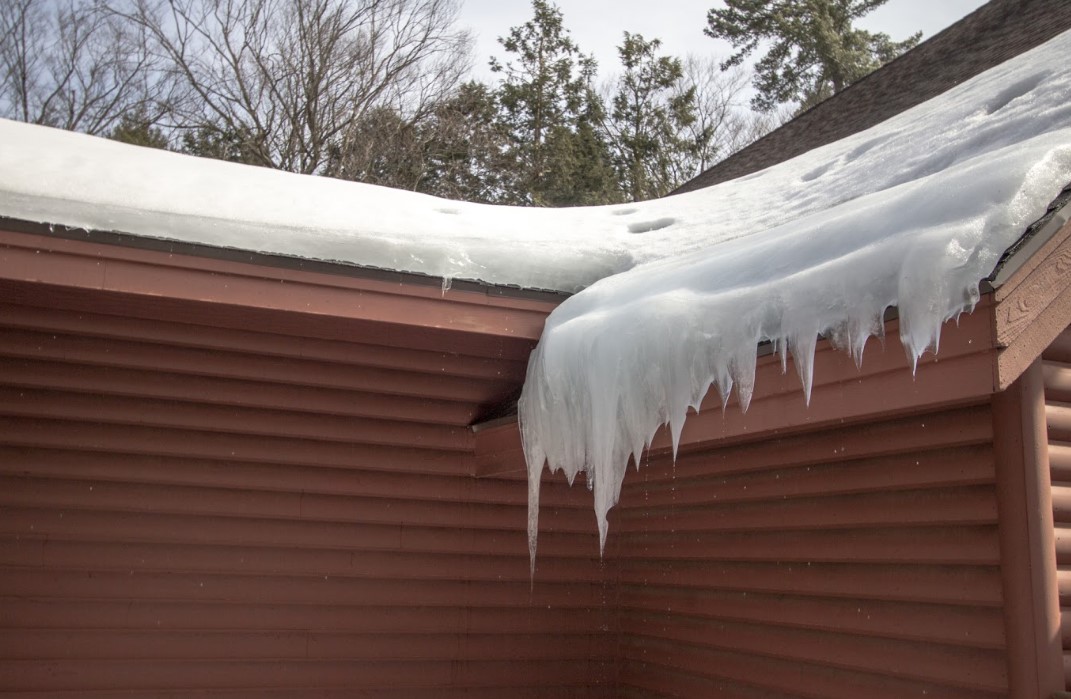
Icicles alone don’t always mean there’s an ice dam, but they can be a warning sign, especially if they’re large or forming in clusters.
Water Stains on Ceilings or Walls
Brown spots, discoloration, or bubbling paint inside your home may indicate water intrusion from the roof.
Musty Smells in the Attic
Moisture trapped in insulation or wood can lead to odors and potential mold growth.
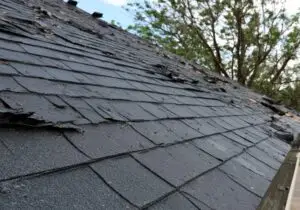
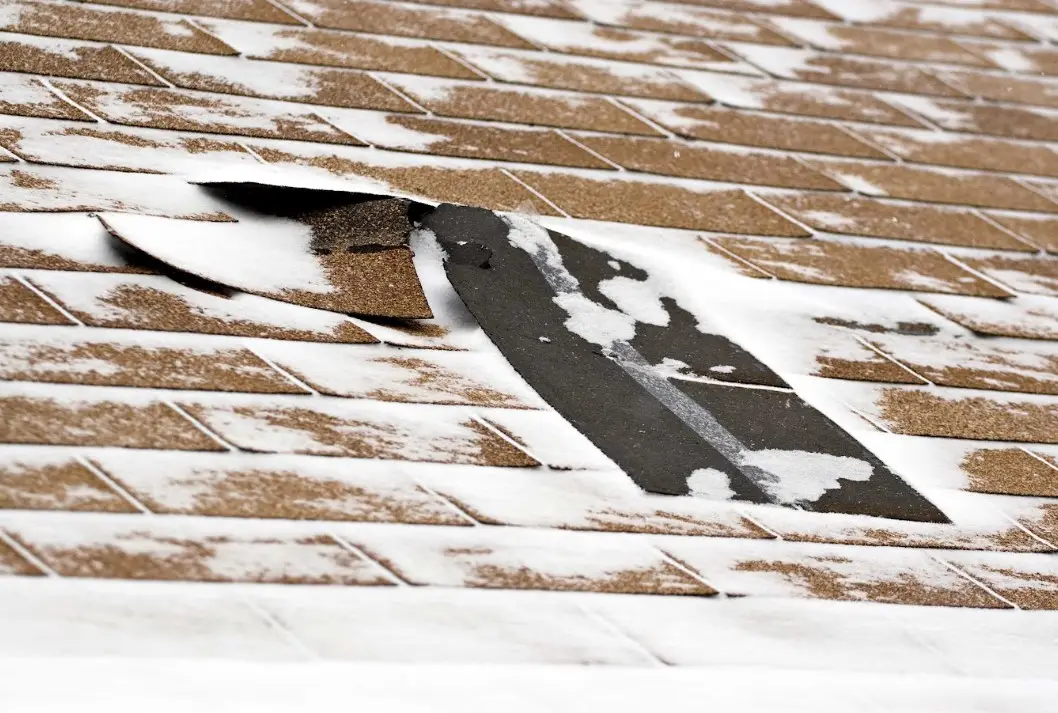
Damaged or Loose Shingles
Ice buildup can lift or damage shingles, allowing water to get underneath.
Sagging Gutters
Heavy ice can weigh down gutters and cause them to pull away from your home.
Ice Buildup at Roof Edges
A thick ridge of ice along the eaves is one of the clearest signs of an ice dam.
If you notice any of these issues, it’s important to act quickly before the damage spreads.
How to Prevent Ice Dams Before They Start
Prevention is the most effective way to deal with ice dams.
Keep Gutters and Downspouts Clear
Clogged gutters trap water, making it easier for ice dams to form. Cleaning gutters before winter and keeping them clear during the season helps water flow properly.
Improve Attic Insulation
Proper insulation keeps heat inside your home instead of escaping into the attic. This helps maintain a consistent roof temperature.
Ensure Proper Ventilation
Good airflow in the attic keeps the roof surface cold, reducing the chances of melting and refreezing.
Seal Air Leaks
Small gaps around vents, pipes, and attic access points can let warm air escape. Sealing these areas helps prevent uneven heating.
Remove Excess Snow Safely
Using a roof rake from the ground can help reduce snow buildup and limit the conditions that cause ice dams.
Consider De-Icing Cables
In some cases, heat cables can help prevent ice from forming along roof edges and gutters.
Taking these steps can significantly reduce your risk of ice dam roof damage.
Ice Dam Removal: What Homeowners Should Know
If an ice dam has already formed, it’s important to handle it carefully.
Safe Options
- Use a roof rake to remove snow from the ground
- Apply calcium chloride in a controlled way to help melt channels in the ice
- Monitor for interior leaks or damage
What to Avoid
- Do not chip ice off your roof with tools
- Do not use rock salt, which can damage roofing materials
- Avoid climbing on the roof in winter conditions
Improper removal can cause more damage than the ice dam itself.
For ice dam removal in Delaware, it’s often best to work with a professional who can assess the situation safely.
What Homeowners Should Do Next
If you want to protect your home from ice dam roof damage, start with a simple plan:
- Inspect your roof and gutters before winter
- Look for signs of poor insulation or ventilation
- Watch for icicles, ice buildup, and interior stains
- Remove excess snow safely when possible
- Address small issues before they turn into larger repairs
- Schedule a professional estimate if you suspect damage
Ice dams can develop quickly, but early action can make a big difference.
At Yellowfin Roofing, we focus on clear communication, reliable service, and helping you understand exactly what your roof needs.