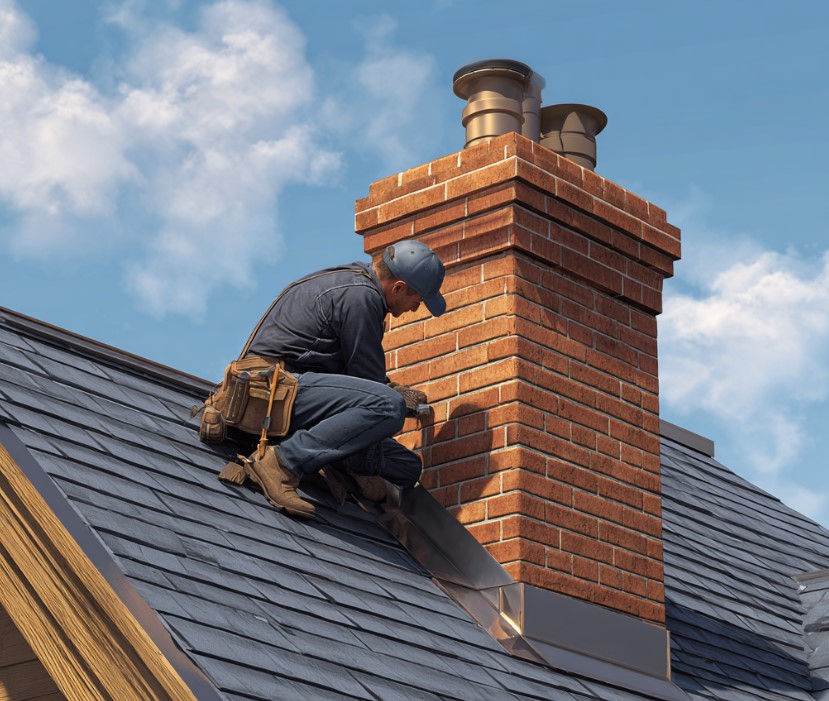
If you don’t use your fireplace, it’s easy to assume your chimney doesn’t need attention.
The problem? Your chimney is still exposed to weather, moisture, and debris year-round. Even when unused, it plays a role in your home’s structure and ventilation system.
Without regular upkeep, small issues can turn into leaks, odors, or structural damage.
At Yellowfin Roofing, we help homeowners in Wilmington and surrounding areas identify exterior issues early, including chimney concerns that can affect the roof and overall home.
Key Takeaways
- Chimneys require maintenance even if the fireplace is not used.
- Moisture, pests, and structural wear are common chimney issues.
- A simple chimney maintenance checklist helps catch problems early.
- Annual chimney service helps prevent costly repairs and roof damage.
Schedule your free estimate with Yellowfin Roofing if you notice chimney concerns.
Why Chimney Maintenance Matters More Than Homeowners Realize
A chimney is not just a decorative feature; it’s part of your home’s roofing and ventilation system.
Even if you never light a fire, your chimney is still:
- Exposed to rain, wind, and temperature changes
- Connected to your roof structure
- A potential entry point for moisture and pests
Over time, these factors can cause damage that extends beyond the chimney itself.
Common issues include:
- Water leaks are entering through cracks or flashing
- Mold or mildew caused by trapped moisture
- Animal nests blocking airflow
- Brick or mortar deterioration
- Odors from debris or organic buildup
In areas like Wilmington, Hockessin, and Newark, seasonal weather changes and moisture can speed up this wear.
That’s why annual chimney service is important, even for unused systems.
What Happens If You Skip Chimney Maintenance?
Moisture Damage
Water is one of the biggest threats to chimneys.
Rain and snow can enter through cracks, damaged caps, or worn flashing. Once moisture gets inside, it can lead to:
- Mold growth
- Interior water stains
- Rot in nearby wood structures
- Damage to chimney lining materials
Left unchecked, this damage can spread to your roof and attic.
Pests and Nesting
An unused chimney can become an entry point for animals.
Birds, squirrels, and other pests may build nests inside, which can:
- Block airflow
- Create odors
- Introduce debris and waste
- Damage internal chimney components
Even if you never use your fireplace, these blockages can still cause problems.
Structural Deterioration
Chimneys are exposed to constant weather stress.
Over time, this can cause:
- Cracked bricks
- Loose mortar joints
- Shifting or leaning structures
- Falling debris
Freeze-thaw cycles in Delaware can make these problems worse by expanding small cracks.
Hidden Ventilation Issues
Some chimneys are connected to appliances like furnaces or water heaters.
If the chimney is blocked or damaged, it may affect ventilation, which can lead to:
- Poor airflow
- Reduced efficiency
- Potential safety concerns
Even unused fireplaces may share chimney systems with other parts of the home.
Chimney Maintenance Checklist for Homeowners
You can catch many chimney issues with a simple visual check from the ground and inside your home.
Exterior Condition
What does the chimney look like from the outside?
Look for:
- Cracked or missing bricks
- Gaps in mortar joints
- Leaning or uneven structure
- Loose or damaged chimney caps
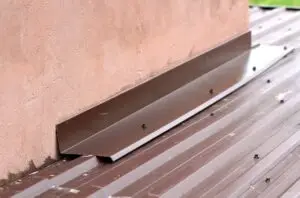
Flashing Around the Chimney
Is the area where the chimney meets the roof sealed properly?
Watch for:
- Gaps or separation
- Rust or corrosion
- Water stains near the roofline
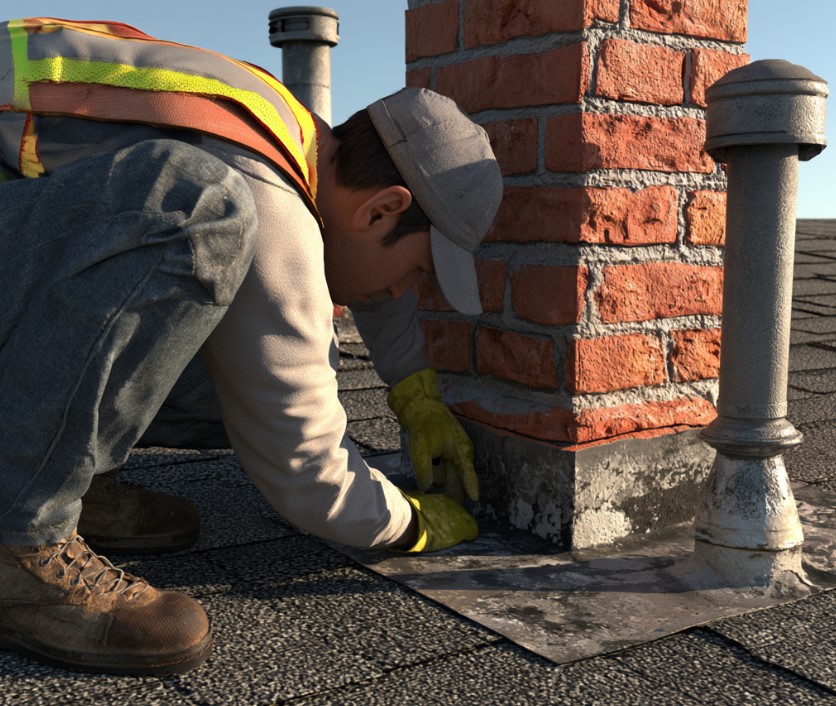
Flashing problems are a common cause of roof leaks.
Chimney Cap
Is the chimney covered?
A missing or damaged cap can allow:
- Rainwater inside
- Animals to enter
- Debris buildup
A properly installed cap helps prevent these issues.
Interior Signs
What do you notice inside your home?
Check for:
- Musty odors
- Water stains near ceilings or walls
- Visible debris in the fireplace
- Draft or airflow issues
These may point to hidden chimney problems.
Attic Area
What does the area around the chimney look like?
Look for:
- Moisture or staining
- Mold or mildew
- Light coming through gaps
- Deterioration around the chimney framing
This can help identify leaks before they reach living spaces.
Catching these signs early helps prevent more serious damage to your roof and home.
Chimney Repair Signs You Should Not Ignore
Some chimney problems require professional attention right away.
Watch for:
- Strong or unusual odors
- Visible cracks or shifting
- Water is leaking into the home
- Animal activity or sounds
- Loose bricks or falling debris
- Recurring moisture issues
If you notice any of these, it’s best to schedule a chimney inspection.
Annual Chimney Service: What to Expect
Professional chimney inspections go beyond what you can see from the ground.
A typical service may include:
- Full exterior inspection
- Flashing and roofline check
- Interior flue inspection
- Debris removal
- Moisture evaluation
- Recommendations for repair or maintenance
Annual inspections help catch small issues before they become larger problems.
What Homeowners Should Do Next
If you want to protect your home, start with a simple plan:
- Check your chimney from the ground
- Look for cracks, gaps, or damage
- Inspect for signs of moisture or odor
- Make sure a chimney cap is in place
- Watch for animal activity
- Schedule a professional inspection if needed
Regular maintenance helps protect your roof, your home, and your long-term investment.