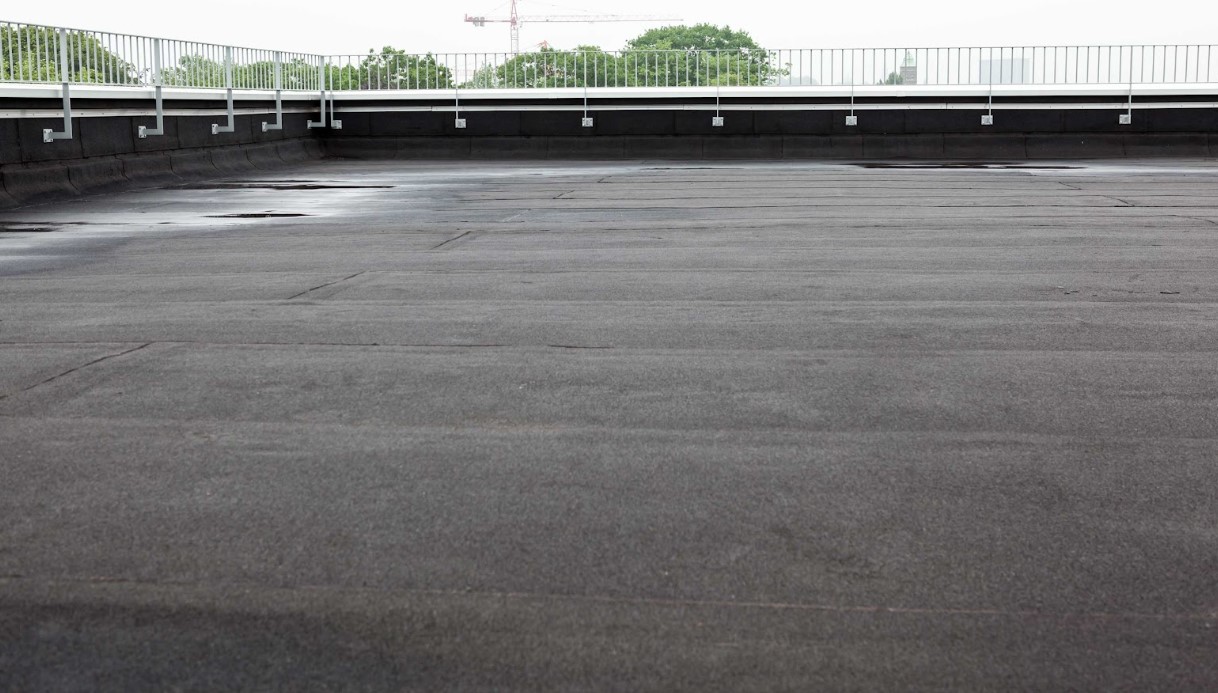
Commercial flat roofs need to do one thing well: keep water out.
That sounds simple, but flat and low-slope roofs face a lot of stress. Rain drains more slowly. Rooftop equipment creates foot traffic. Seams, flashing, and drainage points all need to work together.
That’s why many property owners compare single-ply roofing options like EPDM and TPO.
EPDM is a rubber roofing system commonly used on commercial buildings. It has been around for decades and is known for flexibility, cost control, and dependable performance when installed correctly.
At Yellowfin Roofing, we help commercial property owners in Wilmington and nearby areas understand their flat roofing options clearly so they can make the right choice for their building.
Key Takeaways
- EPDM is a rubber membrane used on flat and low-slope commercial roofs.
- Common EPDM roofing pros and cons include flexibility, affordability, easy repairs, heat absorption, and seam maintenance.
- EPDM vs TPO flat roof comparisons often come down to energy efficiency, seams, budget, and building use.
- EPDM roofing cost depends on roof size, access, insulation, drainage, and installation method.
Schedule your free estimate with Yellowfin Roofing to learn whether EPDM is right for your commercial roof.
What Is EPDM Roofing?
EPDM stands for ethylene propylene diene monomer. In simple terms, it is a synthetic rubber roofing membrane used on flat and low-slope roofs.
EPDM usually comes in large rolls and is installed over insulation or another approved roof surface. It can be fully adhered, mechanically fastened, or ballasted, depending on the building and roof design.
This type of rubber roofing for commercial buildings is often used on:
- Office buildings
- Warehouses
- Retail spaces
- Industrial buildings
- Multi-family properties
- Low-slope additions
EPDM is popular because it is flexible and can move with temperature changes. That matters on large commercial roofs, where roofing materials expand and contract throughout the year.
EPDM Roofing Pros and Cons: What Business Owners Should Know
Before choosing EPDM, it helps to understand where it performs well and where it needs attention.
Pro: Strong Flexibility
EPDM is known for its ability to stretch and move.
That flexibility helps the membrane handle seasonal temperature changes without cracking as easily as some rigid materials. For commercial roofs in Delaware, where the weather can shift from hot and humid to cold and wet, that flexibility can be valuable.
Pro: Cost-Effective Installation
EPDM is often one of the more budget-friendly flat roof systems.
Material and installation costs can be lower than some other commercial roofing options, depending on the roof size and installation method. For large buildings, that can make a major difference in the total project cost.
Pro: Easy Repairs
EPDM is usually straightforward to repair when damage is caught early.
Small punctures, seam issues, or localized damage can often be patched without replacing the entire roof. That makes routine maintenance especially important.
Pro: Proven Track Record
EPDM has been used for commercial roofing for many years.
Property owners often choose it because it is familiar, widely available, and well understood by experienced commercial roofers.
Con: Heat Absorption
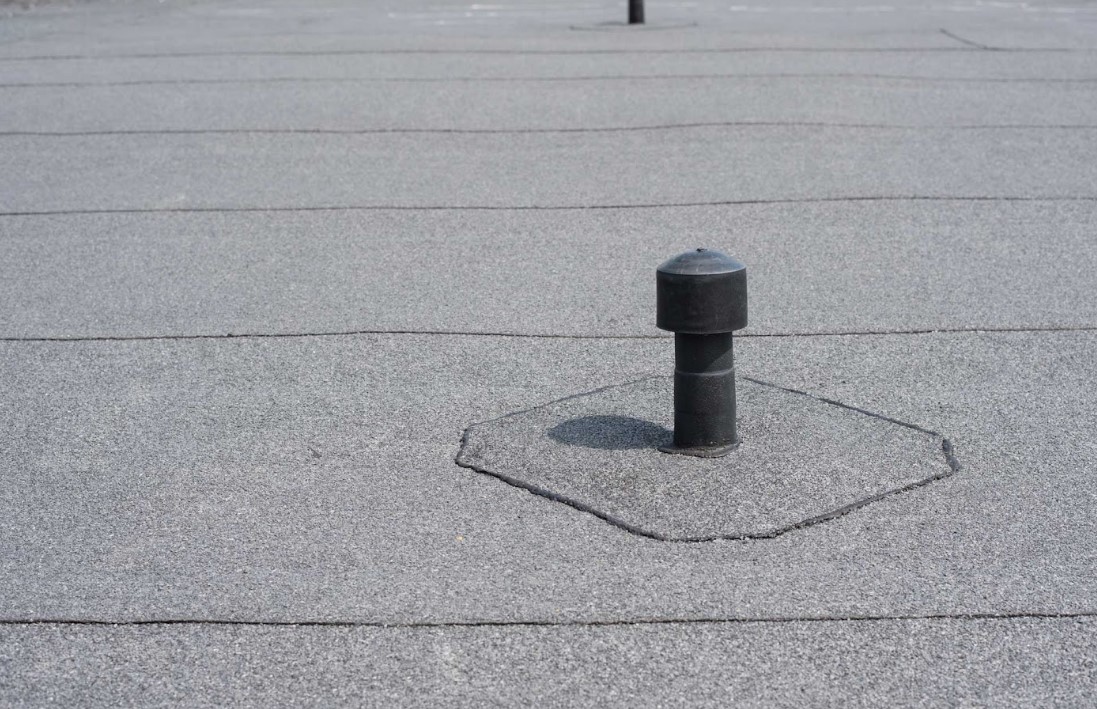
Traditional EPDM is black, which means it absorbs heat.
On some buildings, this may increase rooftop temperatures during hot months. Reflective coatings or added insulation may help improve energy performance.
Con: Seam Maintenance
EPDM seams are typically sealed with adhesive or seam tape.
These seams can perform well, but they need proper installation and regular inspection. Over time, aging adhesive or poor drainage can increase the risk of seam separation.
Con: Puncture Risk
EPDM can be damaged by sharp debris, heavy foot traffic, or rooftop equipment work.
Walkway pads and controlled roof access can help protect high-traffic areas.
EPDM vs TPO Flat Roof: What’s the Difference?
EPDM and TPO are both common single-ply flat roofing systems, but they are not the same.
EPDM Roofing
Best for: Flexibility, budget control, and easy repairs.
EPDM is a rubber membrane. It is often black, though lighter options may be available. It handles expansion and contraction well and is known for long-term reliability.
Common benefits include:
- Flexible material: Handles movement well.
- Repair-friendly surface: Localized damage can often be patched.
- Cost control: Often more affordable than some flat roof systems.
TPO Roofing
Best for: Reflectivity, welded seams, and energy efficiency.
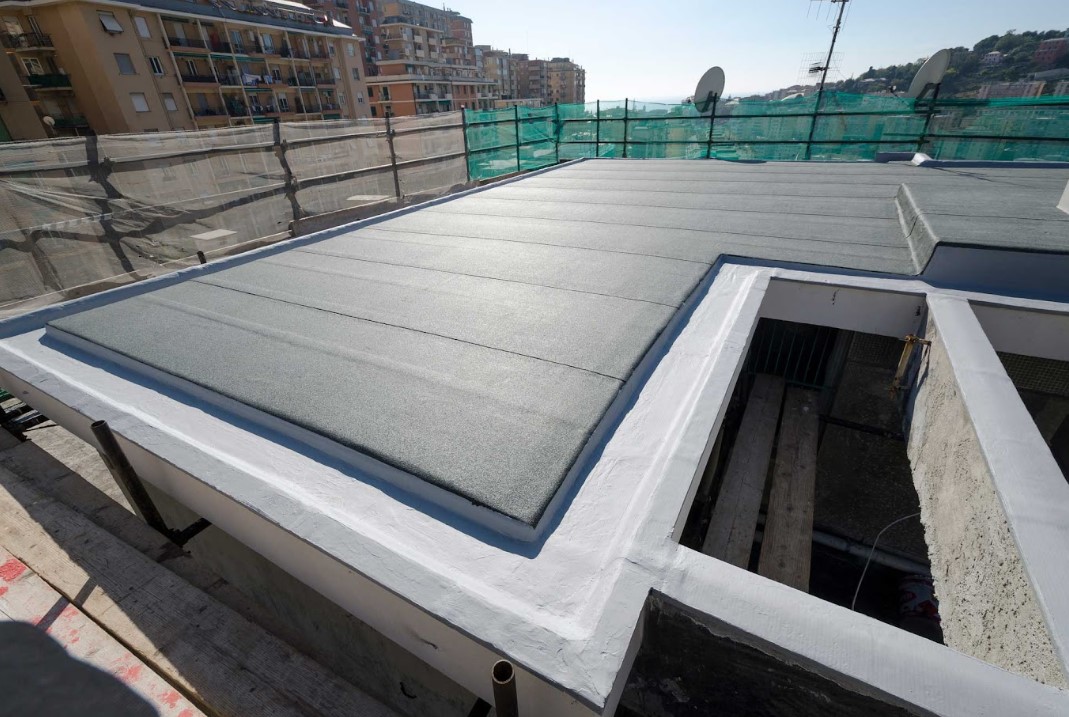
TPO is a thermoplastic membrane that is often white or light-colored. Its seams are heat-welded, which can create strong, watertight connections when installed correctly.
Common benefits include:
- Reflective surface: Helps reduce heat absorption.
- Heat-welded seams: Strong seam performance with proper installation.
- Modern system: Common for commercial flat roofs with energy goals.
Which One Is Better?
There is no single right answer.
EPDM may be a better fit when budget, flexibility, and simple repairs are priorities. TPO may be a better fit when reflectivity and heat-welded seams matter most.
The best choice depends on your building, roof condition, insulation, drainage, and long-term plans.
What Affects EPDM Roofing Cost?
EPDM roofing cost can vary from one commercial property to another.
The biggest factors include:
- Roof size: Larger roofs need more material and labor.
- Roof access: Difficult access can increase labor time.
- Existing roof condition: Tear-off, wet insulation, or deck repairs can add cost.
- Installation method: Fully adhered, mechanically fastened, and ballasted systems have different requirements.
- Insulation needs: Added insulation can improve performance, but it affects pricing.
- Drainage work: Ponding water or a poor slope may need correction.
- Flashing details: Rooftop units, vents, walls, and edges require careful sealing.
A professional estimate is the best way to understand the real cost of your building.
EPDM Maintenance Tips for Commercial Owners
EPDM performs best when it is maintained consistently.
Use this simple checklist:
- Schedule regular inspections: Check the roof at least twice a year.
- Clear drains and gutters: Prevent ponding water and drainage problems.
- Monitor seams: Watch for lifting, separation, or aging adhesive.
- Protect high-traffic areas: Use walkway pads near HVAC units and access points.
- Remove debris: Sharp branches or loose materials can puncture the membrane.
- Check after storms: Wind and debris can create new damage.
- Document repairs: Maintenance records help with planning and warranty conversations.
Small repairs are usually easier to manage when they’re found early.
What Commercial Owners Should Do Next
If you’re considering EPDM for your building, start with a few practical questions:
- Is your current roof leaking?
- Does the water pond after storms?
- How much rooftop traffic does your building have?
- Are cooling costs a concern?
- Is your roof near the end of its lifespan?
- Do you need repair, restoration, or replacement?
A professional inspection can help you compare options clearly.
At Yellowfin Roofing, we provide commercial roofing services in Wilmington and the surrounding areas. We focus on communication, honest recommendations, and reliable workmanship.