Fall is one of the best times to check your roof before winter weather moves in.
Once cold rain, ice, wind, and freeze-thaw cycles arrive, small roof problems can turn into leaks, damaged shingles, and costly repairs. Taking care of your roof before October gives you time to catch issues while the weather is still easier to work with.
At Yellowfin Roofing, we help homeowners in Wilmington, Hockessin, Newark, and nearby Delaware areas prepare their roofs with clear guidance and reliable service.
Key Takeaways
- Fall roof maintenance helps prevent winter leaks and weather-related damage.
- Your checklist should include shingles, gutters, flashing, attic areas, and nearby trees.
- Preparing your roof for winter is easier and often less stressful before cold weather arrives.
If something looks off, schedule your free estimate with Yellowfin Roofing.
Why Fall Roof Maintenance Matters in Delaware
Delaware weather can shift quickly in the fall. One week may feel mild, and the next can bring heavy rain, wind, or a cold snap.
The problem is that your roof may already be carrying wear from summer heat, storms, and humidity. Fall is the time to find those weak spots before winter makes them worse.
Common fall roof concerns include:
- Loose shingles: Wind and rain can lift weak areas.
- Clogged gutters: Leaves and debris can block drainage.
- Damaged flashing: Gaps around chimneys, vents, and valleys can leak.
- Moisture buildup: Trapped water can lead to rot or mold.
- Poor attic ventilation: Warm indoor air can create condensation problems.
In areas like Wilmington, Pike Creek, Middletown, Lewes, and Rehoboth Beach, seasonal moisture and coastal weather can put extra stress on roofing systems.
A simple autumn roof inspection can help you stay ahead of problems.
Fall Roof Maintenance Checklist for Homeowners
Check Shingles From the Ground
Start with a safe visual inspection. Look at your roof from different angles and note anything that looks uneven.
Watch for:
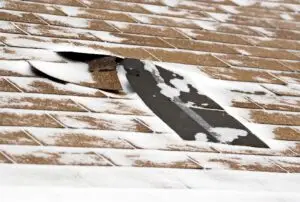
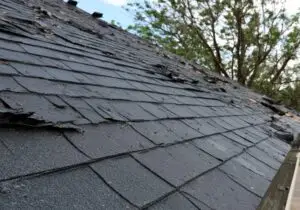
- Missing shingles
- Curling or cracked shingles
- Lifted edges
- Dark patches or bare spots
- Shingles that look out of place
These can be early signs that your roof needs repair before winter weather arrives.
Clean Gutters and Downspouts
Gutters play a major role in protecting your roof, siding, and foundation.
When leaves and debris clog your gutters, water can back up under shingles or spill over near your home’s foundation.
Make sure to check:
- Gutter debris
- Sagging sections
- Loose downspouts
- Water pooling near the home
- Shingle granules in gutters
If your gutters are damaged or no longer draining properly, they should be addressed before winter.
Inspect Flashing and Roof Openings
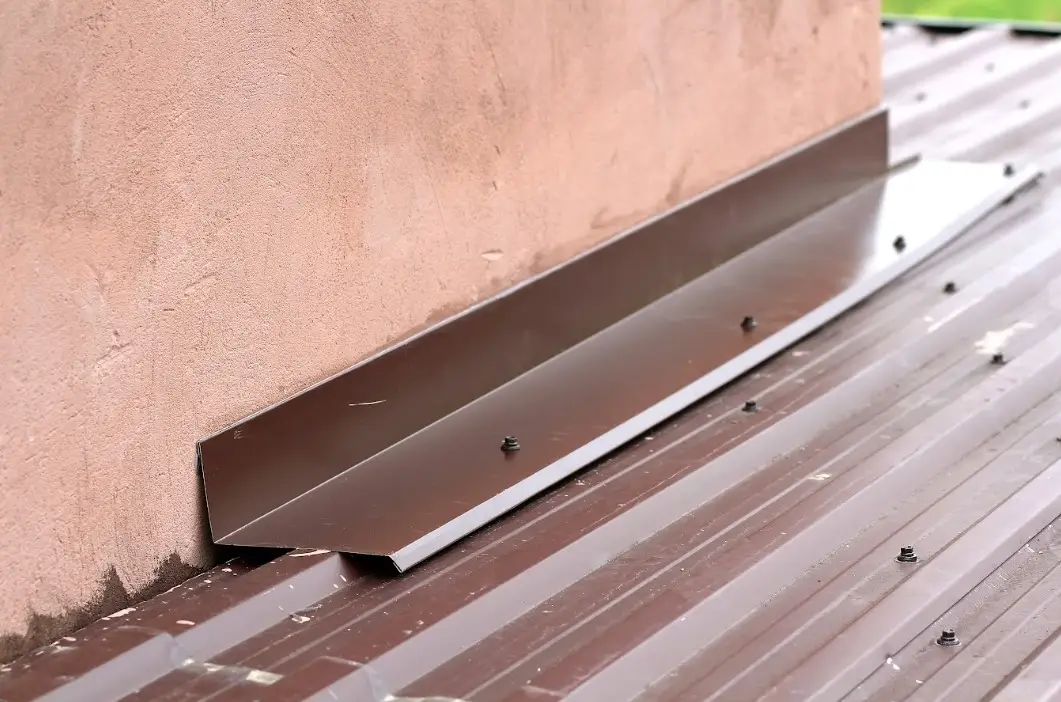
Flashing protects some of the most leak-prone areas of your roof.
Check around:
- Chimneys
- Vents
- Skylights
- Roof valleys
- Wall transitions
If flashing is cracked, rusted, loose, or pulling away, water may have a path into your home. This should be inspected by a professional.
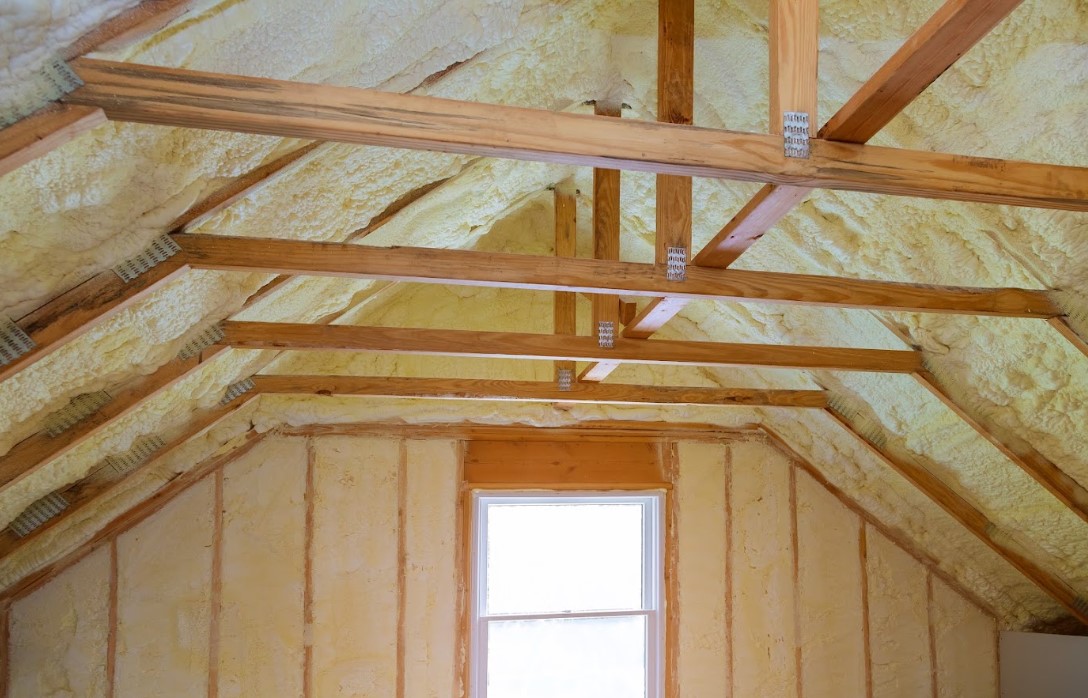
Look Inside the Attic
Your attic can reveal roof problems before they show up in living spaces.
Look for:
- Water stains on wood
- Damp or compressed insulation
- Musty smells
- Mold or mildew
- Daylight coming through the roof boards
If you notice any of these warning signs, your roof may already have moisture intrusion.
Trim Nearby Trees
Tree branches can scrape shingles, drop leaves into gutters, and fall during storms.
Before winter, trim back branches that hang over or touch your roof. This helps reduce debris and lowers the risk of storm damage.
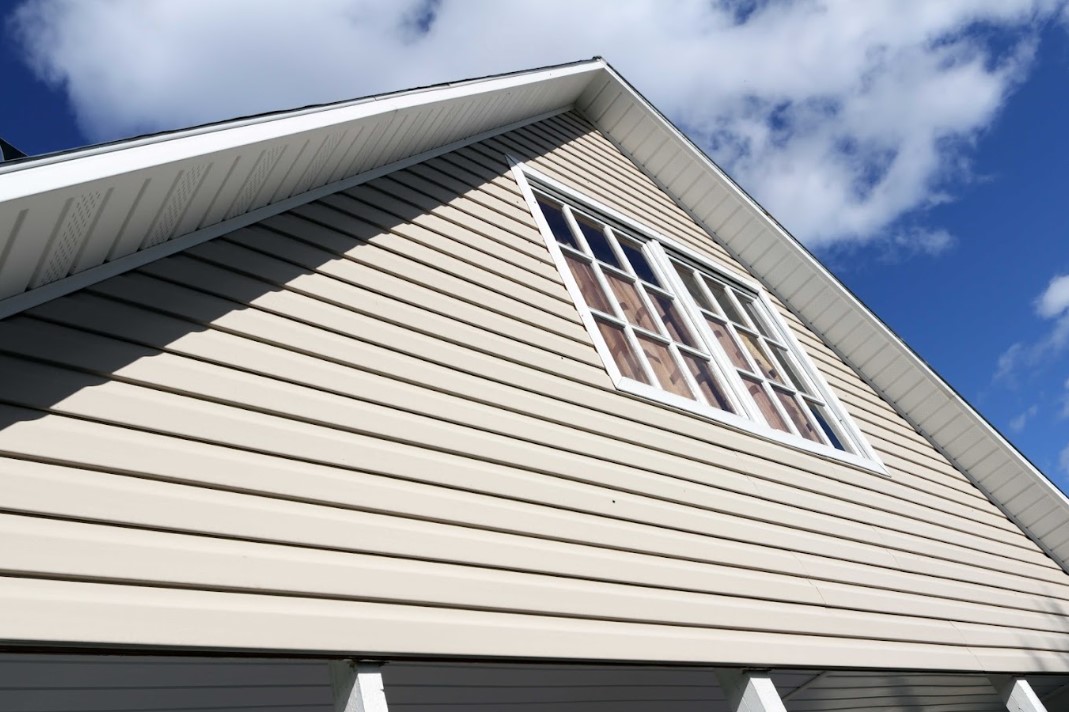
Check Siding, Fascia, and Soffits
Your roof works with the rest of your exterior.
Fascia, soffits, and siding help protect your home from moisture and pests. If these areas are rotting, cracked, or pulling away, water may reach places it should not.
Roof Winterization Tips Delaware Homeowners Should Know
Schedule Maintenance Before October
The earlier you prepare, the easier it is to handle repairs before cold weather makes work harder.
Do Not Ignore Small Leaks
A small leak in the fall can become a bigger issue during winter. Water can freeze, expand, and worsen existing gaps.
Keep Drainage Clear
Clean gutters, working downspouts, and proper drainage help prevent ice buildup and water damage.
Watch for Storm Damage
Fall storms can loosen shingles and damage flashing. Check your roof after strong winds or heavy rain.
Avoid Climbing on the Roof
Roof work can be dangerous, especially when surfaces are wet or covered in leaves. Use ground-level checks and call a professional when needed.
Document Damage for Insurance
If a storm damages your roof, take photos from the ground and keep notes. Yellowfin Roofing handles insurance claims for storm damage and can help you understand the next steps.
What Homeowners Should Do Next
If you want to prepare your roof before winter, start with this checklist:
- Inspect shingles from the ground
- Clean gutters and downspouts
- Check flashing around roof openings
- Look inside the attic for moisture
- Trim overhanging branches
- Watch for storm damage
- Schedule a professional estimate if anything looks wrong
Fall roof maintenance does not have to be complicated. The goal is to catch small problems early and make sure your home is ready for winter weather.
At Yellowfin Roofing, we focus on clear communication, reliable service, and honest recommendations.