After a strong storm, it’s not uncommon to find shingles in your yard or notice sections of your roof that don’t look right.
Wind damage can occur quickly, and even minor issues can leave your home vulnerable to water intrusion and long-term structural problems.
Understanding how roof wind-damage repairs work and what your insurance may or may not cover can help you take the right steps early.
At Yellowfin Roofing, we help homeowners in Wilmington and surrounding areas inspect storm damage, document issues, and guide them through the next steps with clear communication.
Key Takeaways
- Wind damage can loosen, lift, or remove shingles, leaving your roof vulnerable.
- Missing shingles after a storm can lead to leaks, mold, and structural damage.
- Insurance may cover sudden storm damage, but not wear and tear.
- Acting quickly helps protect your home and strengthen your insurance claim.
Schedule your free estimate with Yellowfin Roofing if you suspect storm damage.
Why Wind Damage to Your Roof Should Never Be Ignored
Your shingles are your roof’s first layer of protection.
When wind lifts or removes them, it creates openings where water can enter. Even if the damage looks small, it can lead to:
- Leaks in the attic or ceilings
- Mold growth inside the home
- Damaged insulation
- Rot in the roof deck
- Weakened structural areas
The problem is that wind damage is not always obvious.
Some shingles may still be in place but have broken seals or hidden damage. These areas can fail during the next storm.
That’s why it’s important to inspect your roof after severe weather, even if everything looks fine at first.
Common Signs of Wind Damage After a Storm
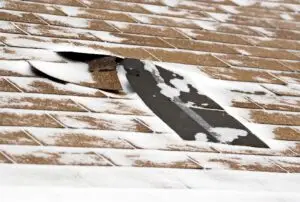
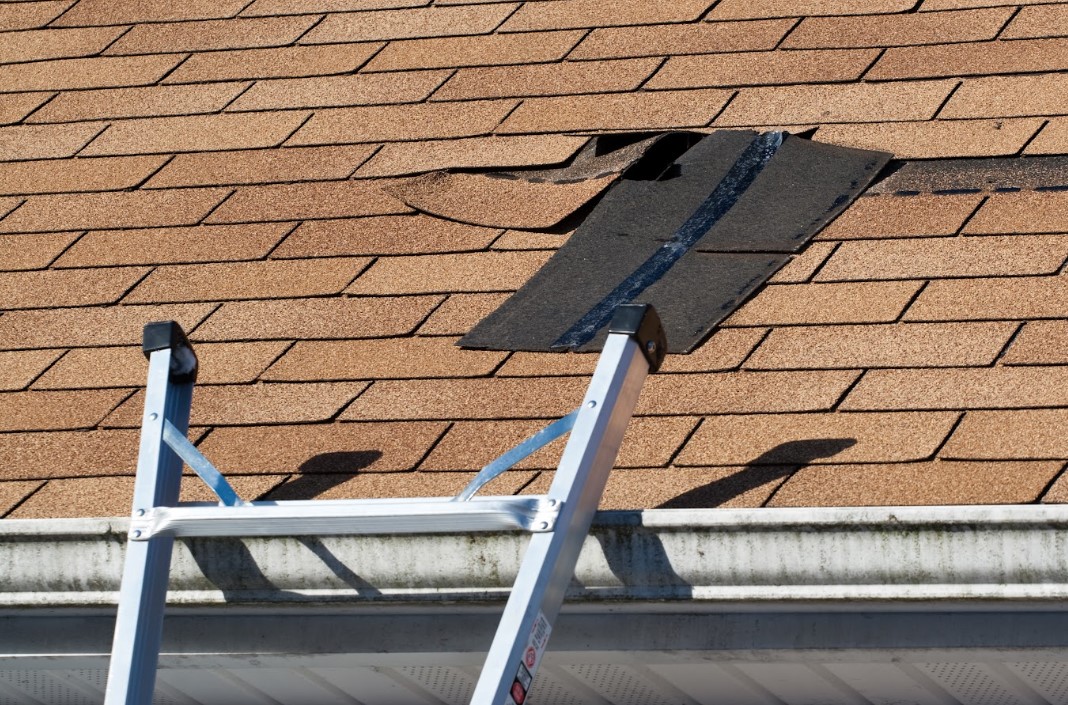
Missing Shingles
What you’ll notice first:
- Shingles on the ground
- Bare spots on your roof
- Uneven roof sections
Missing shingles leave your roof exposed immediately.
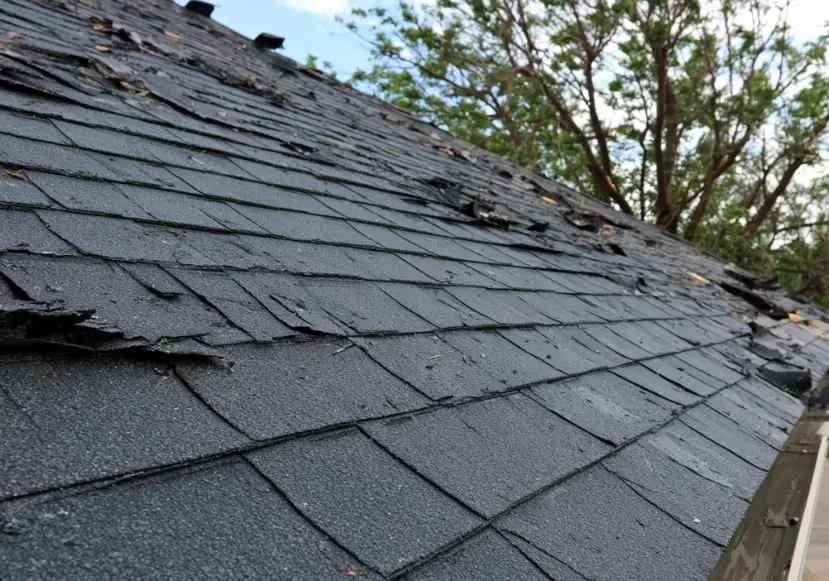
Lifted or Creased Shingles
What you may not see right away:
- Shingles that have lifted and resealed
- Horizontal creases from wind stress
- Edges that look raised or uneven
These shingles may fail later, even if they remain attached.
Granule Loss
Check your gutters and downspouts.
Wind and impact can knock granules loose, leaving shingles less protected. This can speed up aging and lead to cracks.
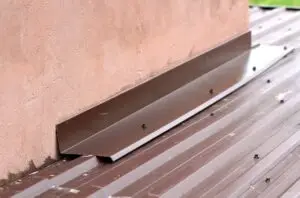
Flashing Damage
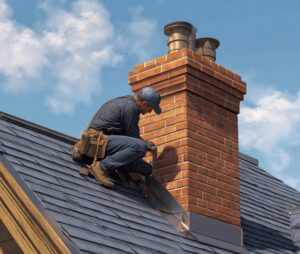
Wind can pull flashing away from chimneys, vents, and roof edges.
This creates gaps where water can enter, even if shingles appear intact.
Interior Warning Signs
Sometimes the first signs show up inside your home.
Look for:
- Water stains on ceilings or walls
- Musty odors
- Damp insulation in the attic
These can indicate that water is already getting in.
Roof Wind Damage Repair: What Happens Next
Once damage is identified, the next step is understanding the scope.
Minor Repairs
When damage is limited to a small area, repairs may include:
- Replacing missing shingles
- Sealing lifted shingles
- Repairing flashing
- Fixing small leak points
This is often the case when damage is isolated.
Larger Repairs or Replacement
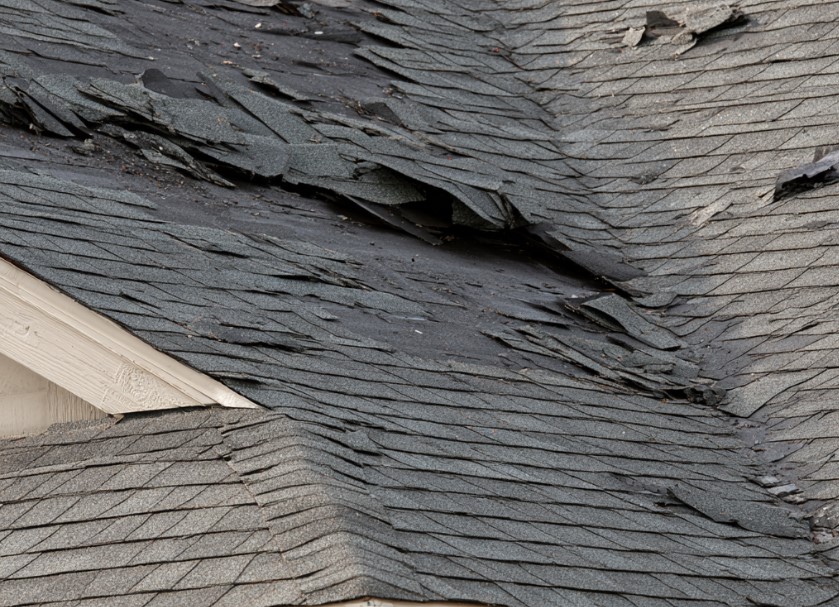
If damage is widespread or affects multiple sections, a larger repair or full replacement may be needed.
This is more common when:
- Multiple slopes are affected
- Shingles are aging or brittle
- Leaks appear in different areas
- Storm damage is severe
A professional inspection helps determine the best option.
What Insurance May Cover, and What It May Not
Typically Covered
Most homeowners’ insurance policies cover sudden, storm-related damage.
This may include:
- Wind lifting or removing shingles
- Storm debris damage
- Damage caused by sudden events
If your roof was in good condition before the storm, coverage is more likely.
Common Reasons Claims Are Denied
Insurance companies may deny or reduce claims for several reasons.
Common explanations include:
- Wear and tear: They may argue that the roof was already aging.
- Improper installation: They may claim damage was due to workmanship issues.
- Partial damage: They may only approve limited repairs instead of full replacement.
- Policy exclusions: Certain conditions may not be covered.
This is why documentation and a professional inspection are important.
What to Do After Wind Damage Occurs
Step 1: Inspect Safely From the Ground
Look for visible damage without climbing on the roof.
Check for:
- Missing shingles
- Debris around your home
- Changes in roof appearance
Step 2: Document Everything
Take clear photos and videos of:
- Roof damage
- Shingles on the ground
- Interior signs like stains or leaks
This helps support your insurance claim.
Step 3: Schedule a Professional Estimate
A roofing contractor can:
- Assess visible and hidden damage
- Provide a written estimate
- Explain whether repair or replacement is needed
At Yellowfin Roofing, we provide clear, detailed inspections so you understand your options.
Step 4: Contact Your Insurance Company
Report the damage as soon as possible.
Be prepared to provide:
- Photos
- Inspection reports
- Repair estimates
Timely reporting can affect your claim outcome.
Step 5: Request a Reinspection if Needed
If your claim is denied or underpaid, you may request another inspection.
Having a contractor present during this process can help ensure damage is properly evaluated.
Emergency Roof Repair Delaware Homeowners Should Know
Some situations require immediate action.
Emergency roof repair may be needed if:
- Large sections of shingles are missing
- Water is actively entering the home
- Storm damage has exposed the roof deck
- Flashing has been completely removed
Temporary solutions like tarping can help protect your home until permanent repairs are completed.
Yellowfin Roofing offers emergency roof repair in Delaware to help secure your home after storm damage.
What Homeowners Should Do Next
If you suspect wind damage, start with a simple plan:
- Check your roof from the ground
- Look for missing shingles after a storm
- Inspect ceilings and attic for moisture
- Take photos of any damage
- Avoid climbing on the roof
- Schedule a professional estimate
- Contact your insurance provider
Taking action early helps prevent further damage and improves your chances of a successful claim.