When a storm damages your roof, the first concern is usually the visible damage. Missing shingles, fallen branches, or a sudden leak are hard to ignore.
The bigger problem? What happens next.
Once water gets inside, it can damage insulation, ceilings, walls, floors, and personal belongings. That’s why emergency roof tarping can be an important first step after roof damage.
At Yellowfin Roofing, we help homeowners in Wilmington, Hockessin, Newark, and nearby areas take quick action after storm damage and understand what needs to happen next.
Key Takeaways
- Emergency roof tarping is a temporary way to protect your home after sudden roof damage.
- A roof tarp after storm damage can help limit water intrusion until permanent repairs are made.
- Professional temporary roof repair is often safer and more reliable than trying to tarp the roof yourself.
If your roof is leaking or exposed, Yellowfin Roofing is here to help. Schedule your free estimate today.
What Is Emergency Roof Tarping?
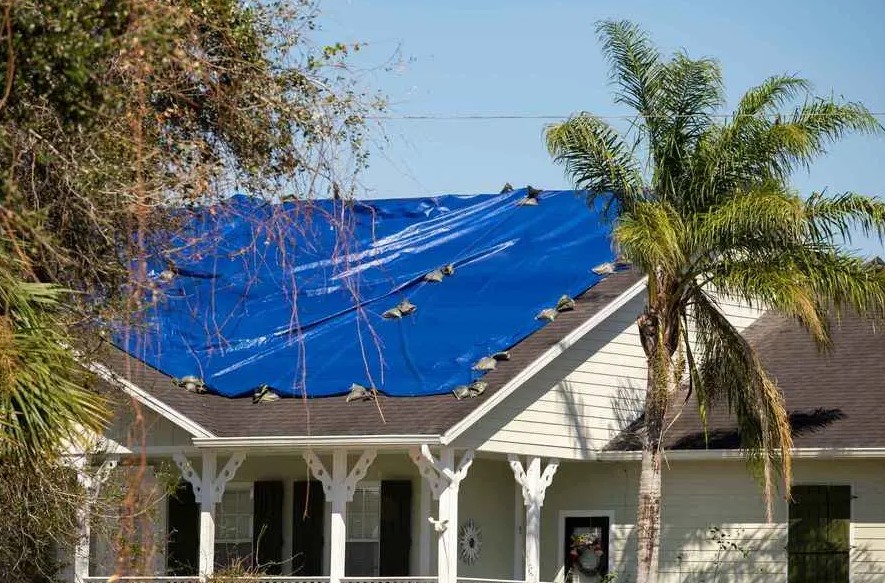
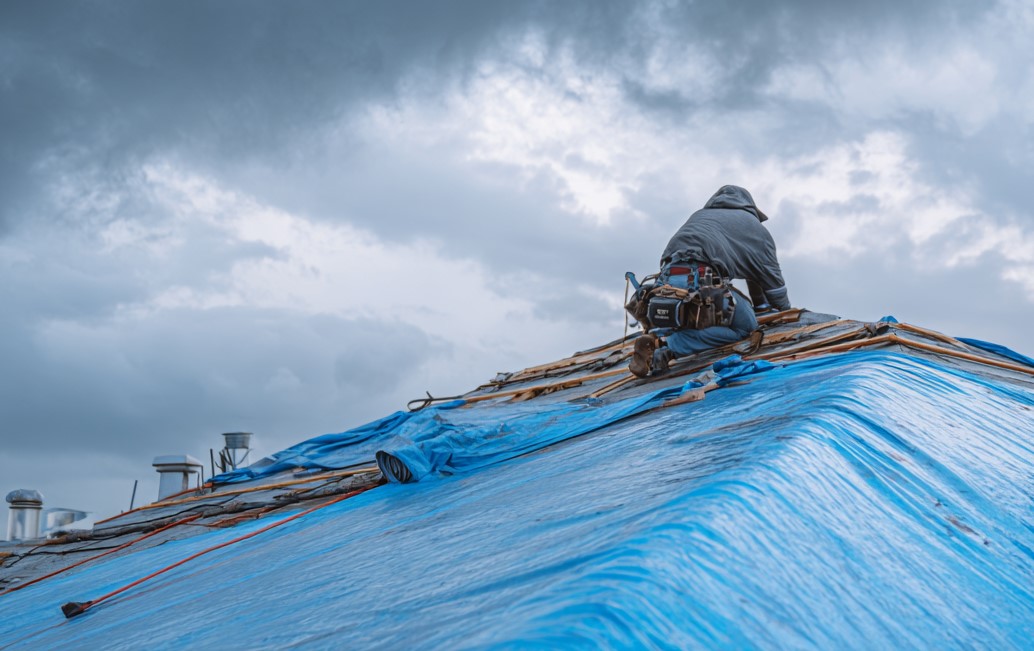
Emergency roof tarping is the process of placing a waterproof tarp over a damaged section of your roof.
It is not a permanent repair. It is a temporary roof repair that helps protect your home until a roofer can inspect the damage and complete the right fix.
A roof tarp may be needed after:
- High winds
- Heavy rain
- Hail damage
- Fallen tree limbs
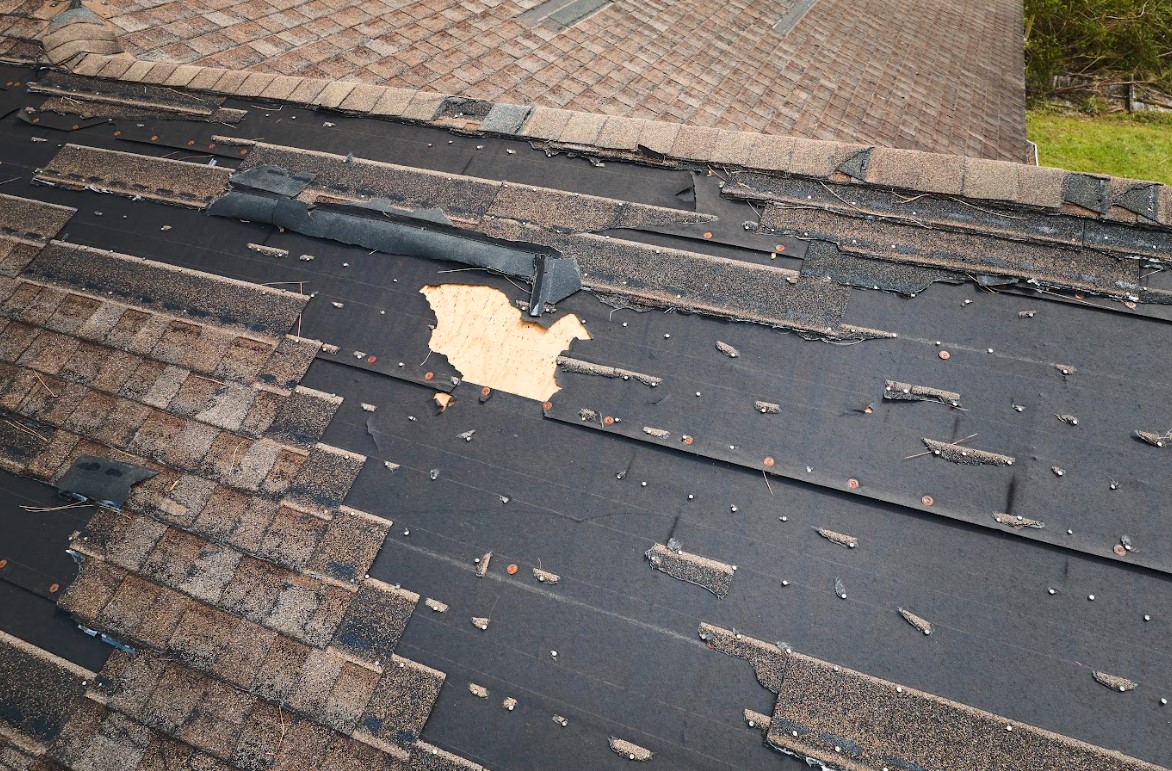
- Missing shingles
- Damaged flashing
- Storm-related punctures
- Sudden roof leaks
The goal is simple: stop more water from getting inside.
A properly installed tarp should cover the damaged area with enough overlap to help shed water away from the opening. It should also be secured well enough to hold through wind and rain until repairs can begin.
When Do You Need a Roof Tarp After Storm Damage?
Not every roof issue needs emergency tarping. But if your roof is open, leaking, or vulnerable to more rain, fast action matters.
Common signs you may need a roof tarp after storm damage include:
- Active dripping from the ceiling
- New water stains on walls or ceilings
- Missing shingles in one or more areas
- Exposed roof decking
- A hole from a branch or storm debris
- Damaged flashing around a chimney, vent, or skylight
- Wet insulation in the attic
- Daylight showing through roof boards
If more rain is in the forecast, even a small damaged area can become a bigger problem quickly.
That’s why it’s smart to call an emergency roofer in Wilmington, DE if you see roof damage after a storm. A professional can help determine whether tarping, repair, or replacement is the next step.
What to Check Before Temporary Roof Repair Begins
Before anyone goes on the roof, start with a safe visual check from the ground and inside your home.
Interior Leaks
Where is water showing up?
Look for drips, ceiling stains, bubbling paint, damp drywall, or musty smells. Water can travel before it appears inside, so the visible stain may not be directly below the roof damage.
Attic Moisture
Can you safely check the attic?
Look for wet insulation, dark staining on wood, active dripping, or daylight coming through the roof deck.
Exterior Damage
What can you see from the ground?
Check for missing shingles, loose flashing, fallen limbs, or debris near the home. Do not climb onto a wet or damaged roof.
Weather Forecast
Is more rain coming?
If more storms are expected, temporary protection becomes more urgent.
Insurance Documentation
Have you taken photos?
Take photos of roof damage, interior water stains, fallen debris, and any visible leaks before cleanup begins. This can help if you need insurance claim assistance.
How Emergency Roof Tarping Works
Inspect the Damage Safely
The first step is identifying the damaged area and checking whether the roof is safe to access.
This may include reviewing roof damage from the ground, inspecting the attic, and checking for structural concerns.
Measure the Damaged Area
The tarp needs to extend well beyond the damaged section so water flows over it instead of under it.
A tarp that only covers the visible hole may not be enough.
Secure the Tarp Properly
A roof tarp should be fastened so it does not lift, flap, or slide during wind and rain.
Loose tarps can fail quickly and may cause more damage.
Check for Interior Moisture
After the tarp is installed, the inside of the home still needs attention.
Wet insulation, stained drywall, or damp attic spaces may need drying or repair to prevent further issues.
Plan the Permanent Repair
Emergency roof tarping buys time. The next step is a full inspection and a clear repair plan.
At Yellowfin Roofing, we explain what we find, what it means, and what comes next, so you’re not left guessing.
Why Professional Emergency Roof Tarping Matters
It can be tempting to throw a tarp over the damaged area yourself. In some small, low-risk situations, homeowners may be able to protect belongings inside or place buckets under drips.
But roof work is dangerous, especially after a storm.
Professional emergency roof tarping matters because:
- Safety: Storm-damaged roofs can be slippery, unstable, or weakened.
- Proper placement: A roofer knows how to position the tarp so water drains the right way.
- Secure fastening: A loose tarp can fail in the next storm.
- Damage review: A professional can spot related issues around shingles, flashing, decking, and gutters.
- Insurance support: Photos and documentation can help support the claim process.
If your roof is steep, wet, heavily damaged, or more than one story, do not climb on it. Call a professional instead.
What Homeowners Should Do Next
If your roof was damaged in a storm, start with these steps:
- Stay off the roof
- Move valuables away from active leaks
- Place buckets under drips if needed
- Take photos of visible damage
- Check the attic if it’s safe
- Call a professional roofer
- Ask whether emergency roof tarping is needed
- Schedule permanent repair as soon as possible
Emergency roof tarping helps protect your home for now, but it is not the final solution.
A full inspection helps determine whether you need a small repair, a larger storm damage repair, or roof replacement.