Storm damage can leave homeowners with a lot of questions.
Is the roof actually damaged? Should you call your insurance company first? Do you need an estimate? What happens if your roof insurance claim is denied?
If you’re wondering how to file a roof insurance claim, the most important thing is to move carefully and document everything.
At Yellowfin Roofing, we help homeowners in Wilmington, Hockessin, Newark, and nearby areas understand storm damage, inspection findings, and next steps. We know first hand that the claims process can feel overwhelming, so we focus on clear communication from start to finish.
Key Takeaways
- Start by documenting visible storm damage with photos and notes.
- Review your insurance policy before you try to file a claim.
- Schedule a professional roof estimate to understand the full scope of damage.
- Be present for the adjuster visit when possible.
If your roof insurance claim does end up getting denied, you may be able to request a reinspection or provide more documentation. Yellowfin Roofing handles insurance claims for storm damage and can help you understand the process.
Why Roof Insurance Claims Can Feel Confusing
Storm damage is not always obvious.
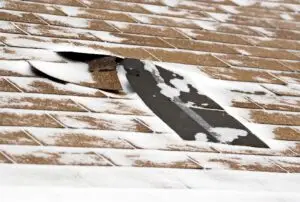
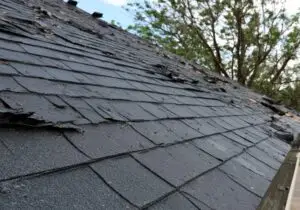
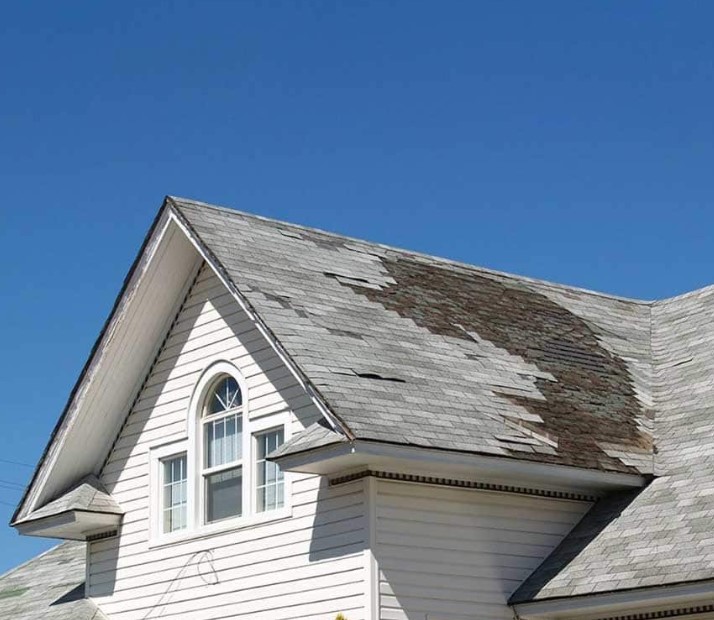
A few missing shingles may be easy to see from the ground. But hail bruising, lifted shingles, flashing damage, or small leaks can be harder to spot.
The problem is that insurance claims depend on documentation. Your insurance company needs evidence of damage, timing, and cause.
Common storm-related roof damage includes:
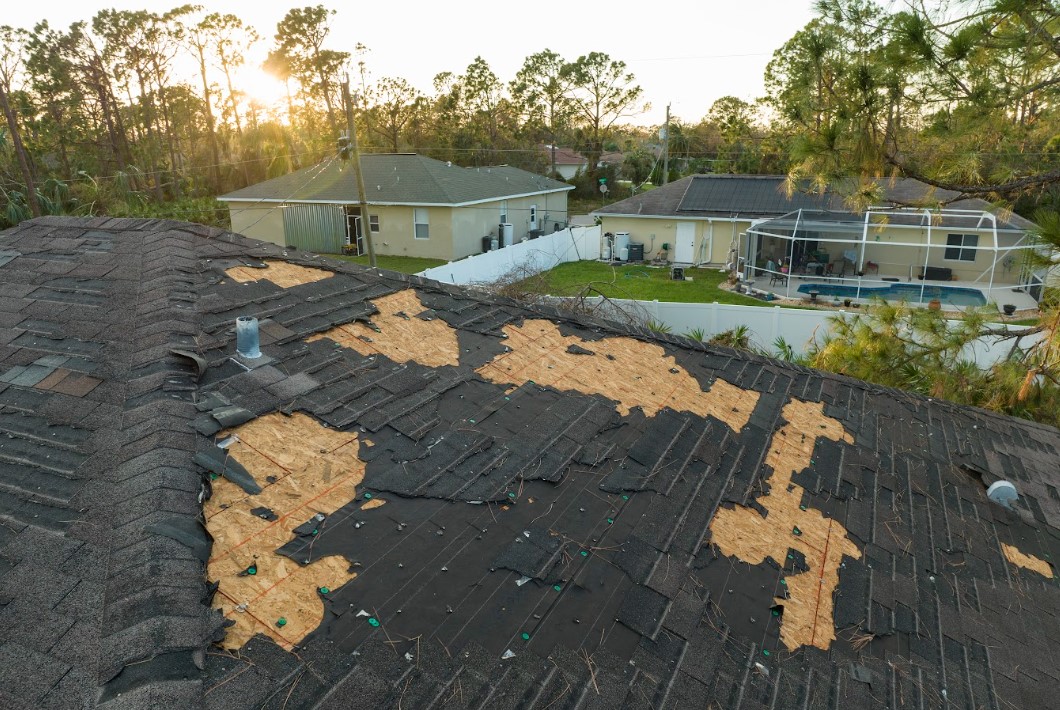
- Missing shingles: High winds can lift or tear shingles away.
- Cracked shingles: Hail or flying debris can weaken roofing materials.
- Granule loss: Asphalt shingles may lose protective granules after impact.
- Damaged flashing: Wind and rain can loosen flashing around vents, chimneys, and roof valleys.
- Interior leaks: Water stains on ceilings or walls may point to roof damage.
- Gutter damage: Dented or loose gutters can be signs of storm impact.
In Wilmington and surrounding Delaware communities, storm season can bring heavy rain, wind, hail, and coastal moisture. Acting quickly helps prevent further damage and gives you a better record of what happened.
What to Do Before Filing a Roof Insurance Claim
Before you call your insurance company, take a few steps to protect your home and gather information.
Safety
Is your property safe?
Avoid climbing on the roof. After a storm, shingles may be slick, branches may be loose, and roof decking may be weakened.
If water is actively entering your home, place a bucket under the leak and move belongings away from the area.
Photos and Videos
What damage can you document?
Take photos from the ground if you can do so safely. Capture missing shingles, fallen branches, damaged gutters, ceiling stains, or water intrusion.
Use both close-up and wide photos so the damage is easy to understand.
Temporary Protection
Does your home need immediate protection?
If your roof has an exposed area, temporary tarping may help prevent additional water damage until repairs are completed. Keep receipts for any emergency work.
Policy Review
What does your insurance policy say?
Look at your deductible, coverage limits, exclusions, and filing deadlines. Some policies may cover storm damage but not wear and tear or old roof issues.
Professional Estimate
What does a roofer see?
Schedule a professional estimate before or shortly after filing. A roofing contractor can inspect the damage, provide photos, and help explain what repairs may be needed.
How to File a Roof Insurance Claim Step by Step
1. Inspect and Document the Damage
Start with a safe ground-level check.
Look for roof damage, gutter damage, siding damage, and interior water stains. Write down the storm date if you know it.

2. Schedule a Professional Roof Estimate
A professional roofing estimate gives you a clearer picture of the damage. It can also help identify problems that are not visible from the ground.
Yellowfin Roofing provides clear findings and recommendations, so you know what you’re dealing with before moving forward.
3. Review Your Insurance Policy
Before filing, check your policy details.
Look for:
- Deductible: The amount you pay out of pocket.
- Coverage type: Some policies pay replacement cost, while others account for depreciation.
- Exclusions: Wear, age, or lack of maintenance may not be covered.
- Deadlines: Claims often need to be filed within a certain timeframe.
4. Contact Your Insurance Company
Once you’re ready, contact your insurer and provide the basic information.
You may need to share:
- Storm date
- Type of damage
- Photos or videos
- Roofing estimate
- Temporary repair receipts
Be clear and factual. Avoid guessing about damage you cannot confirm.
5. Schedule the Adjuster Visit
Your insurance company will likely send an adjuster to inspect the property.
When possible, be home during the visit. This gives you a chance to point out visible damage and share documentation.
Some homeowners also choose to have their roofing contractor present during the adjuster visit so nothing is overlooked.
6. Review the Claim Decision
After the adjuster reviews the damage, your insurance company will provide a claim decision.
If approved, review the scope of work and payout details carefully. Make sure it reflects the damage and repair needs.
If something seems missing, ask questions before signing off on the work.
What Homeowners Should Do Next
If a storm recently hit your area, use this checklist:
- Check your home safely from the ground
- Take photos of visible damage
- Look for leaks, stains, or damp attic areas
- Review your insurance policy
- Schedule a professional roof estimate
- File promptly if damage is confirmed
- Keep all receipts and documents
The more organized you are, the smoother the process usually goes.