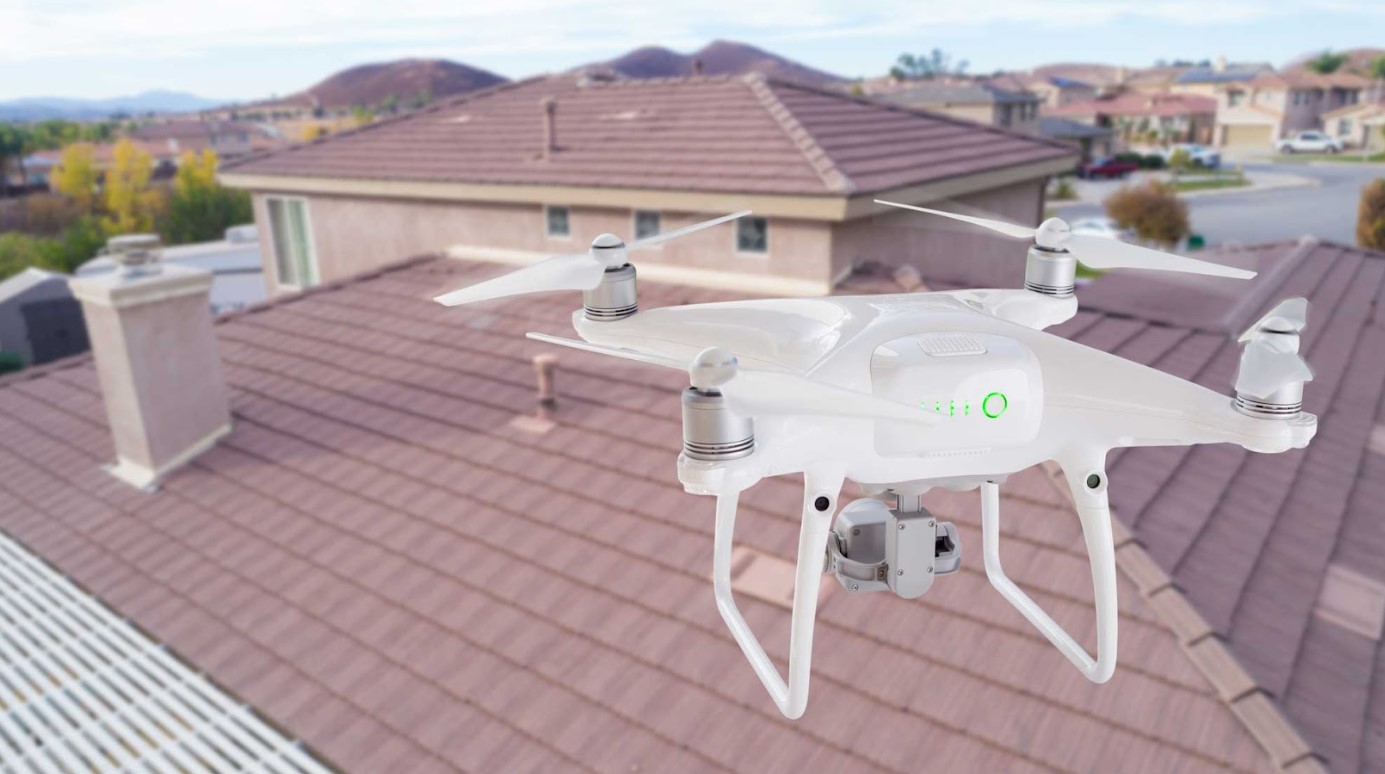
Roof inspections have come a long way.
Instead of climbing ladders and walking across shingles, many inspections today can be done from above using advanced drone technology. This approach gives a clear, detailed view of your roof without the risks of a traditional inspection.
If you’ve heard the term roof drone inspection and aren’t sure what it means or whether it’s worth it, you’re not alone.
At Yellowfin Roofing, we use modern tools alongside hands-on expertise to give homeowners in Wilmington, Hockessin, Newark, and nearby areas a clear understanding of their roof’s condition.
Key Takeaways
- A roof drone inspection uses aerial technology to capture detailed images of your roof.
- Aerial roof inspection benefits include improved safety, faster assessments, and better visibility.
- Drone inspections are a form of no-ladder roof inspection, reducing risk and disruption.
- A professional inspection may combine drone imaging with hands-on evaluation for the most accurate results.
Schedule your free estimate with Yellowfin Roofing to learn what inspection method fits your home.
What Is a Roof Drone Inspection?
A roof drone inspection is exactly what it sounds like.
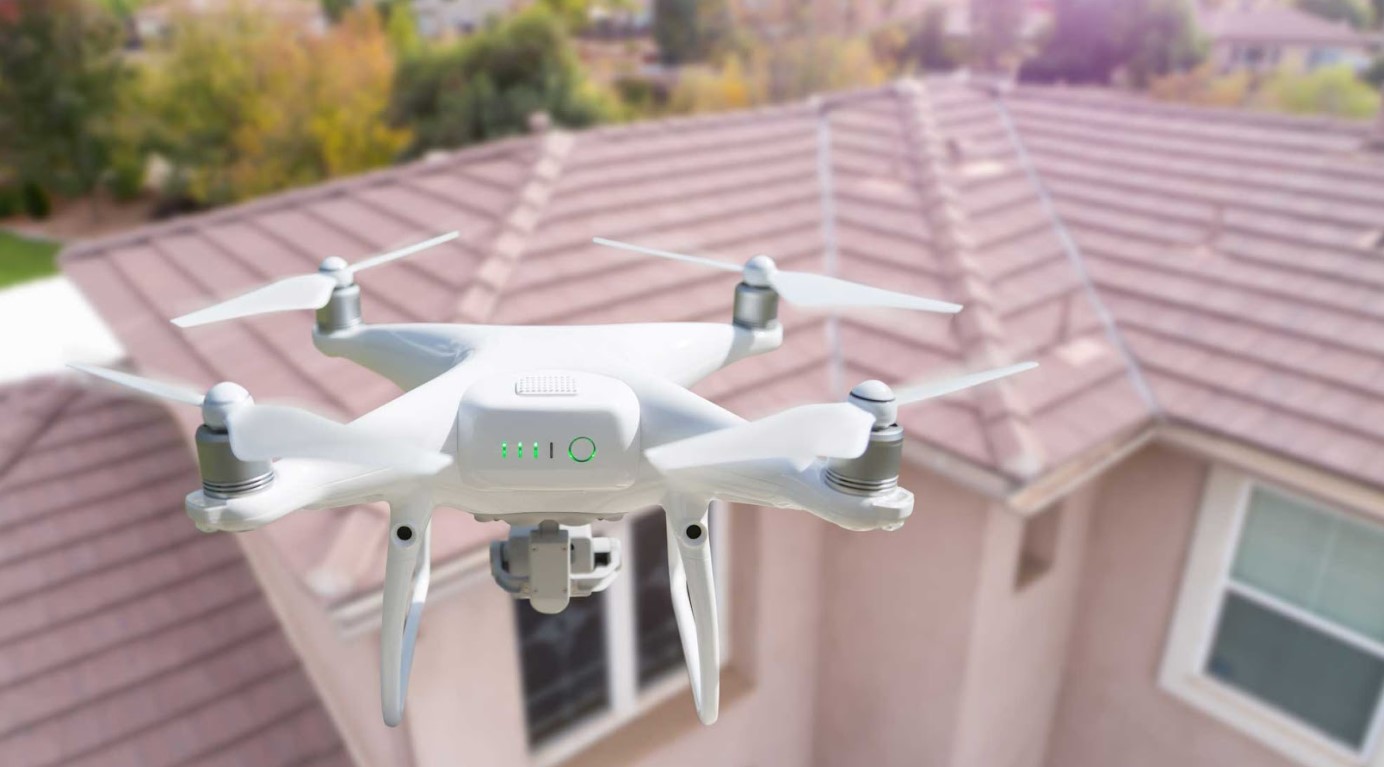
Instead of physically climbing onto your roof, a trained professional uses a drone equipped with a high-resolution camera to capture detailed images and video of your roofing system.
The drone flies above and around your home, collecting:
- Close-up images of shingles and flashing
- Wide-angle views of the entire roof
- Detailed photos of problem areas
- Coverage of hard-to-reach sections
These images are then reviewed to identify signs of damage, wear, or potential issues.
For homeowners, this means getting a clear look at your roof without someone walking on it.
Why Roof Drone Inspections Are Becoming More Common
Traditional roof inspections still have their place. But they come with a few challenges.
Climbing on roofs can be risky. It takes time to set up ladders and access points. And some areas of a roof are difficult to see clearly from certain angles.
Drone inspections help solve many of these issues.
Safety
One of the biggest advantages is safety.
A no-ladder roof inspection reduces the need for someone to climb onto your roof, which lowers the risk of falls or accidental damage.
Speed
Drone inspections can often be completed more quickly than traditional inspections.
There’s no need for extensive setup, and large areas can be reviewed in a shorter amount of time.
Accessibility
Some roofs are difficult to access due to height, slope, or layout. Drones can capture angles that may be hard to reach on foot.
Consistency
High-resolution imagery provides a consistent way to document roof conditions and compare changes over time.
These aerial roof inspection benefits make drone technology a useful tool for both homeowners and roofing professionals.
What a Drone Inspection Can (and Can’t) Show
Drone inspections provide a strong visual overview of your roof.
They’re especially useful for identifying:
- Missing or damaged shingles
- Cracks or wear on roofing materials
- Flashing issues around vents or chimneys
- Debris buildup or drainage problems
- Storm damage patterns
However, it’s important to understand their limitations.
A drone can see the surface of your roof, but it cannot:
- Feel soft spots or structural weakness
- Detect moisture beneath layers
- Evaluate the condition of the underlayment
- Check attic ventilation or insulation
That’s why many professional inspections combine drone imaging with hands-on evaluation when needed.
At Yellowfin Roofing, we focus on giving you a complete picture, not just surface-level information.
Roof Drone Inspection vs Traditional Inspection
If you’re deciding between inspection types, it helps to understand how they compare.
Drone Inspection
Best for:
- Quick visual assessments
- Large or hard-to-access roofs
- Initial inspections after storms
- Safe, no-ladder evaluations
Strengths:
- Fast and efficient
- Reduces safety risks
- Captures detailed aerial images
Limitations:
- Surface-level analysis only
- Cannot assess underlying damage
Traditional Inspection
Best for:
- Detailed, hands-on evaluation
- Checking structural integrity
- Identifying hidden issues
Strengths:
- Full system assessment
- Ability to detect subtle problems
- Hands-on inspection of materials
Limitations:
- Requires roof access
- Takes more time
- Higher safety considerations
The Best Approach
In many cases, the best inspection uses both methods.
Drone technology provides a clear overview, while hands-on inspection confirms details that can’t be seen from above.
When a Roof Drone Inspection Makes Sense
A drone inspection can be especially useful in certain situations.
After a Storm
High winds, hail, and heavy rain can cause damage that is not always visible from the ground. A drone inspection can quickly identify affected areas.
Before Buying or Selling a Home
A clear roof assessment helps buyers and sellers understand the condition of the property.
Routine Maintenance
Regular inspections help catch small issues before they turn into larger repairs.
Hard-to-Reach Roofs
Steep roofs, multi-level homes, or complex designs benefit from aerial visibility.
Insurance Documentation
Drone images can help document damage clearly when working through insurance claims.
What Homeowners Should Do Next
If you’re considering a roof drone inspection, start with a simple plan:
- Look for visible signs of roof damage
- Consider recent storms or aging materials
- Think about safety and accessibility
- Decide whether you want a visual or a full inspection
- Schedule a professional estimate
A drone inspection can be a great starting point, but it works best when paired with expert evaluation.
At Yellowfin Roofing, we guide you through the process and explain what your roof actually needs.