Your roof works every day to protect your home, but it does not last forever. Over time, weather, aging, and normal wear start to take a toll, even if everything looks fine from the ground.
That’s why many homeowners start asking the same question at the beginning of a new year: when to replace roof systems before problems get worse?
At Yellowfin Roofing, we help homeowners across Wilmington, Newark, and surrounding areas understand where their roof stands and what to do next.
Key Takeaways
- Roof age is one of the strongest indicators of when to replace roof systems.
- Missing shingles, granule loss, and water stains are common signs a roof needs replacing.
- Planning ahead in 2026 helps avoid emergency repairs and higher costs.
If you’re unsure about your roof’s condition, Yellowfin Roofing is here to help. Schedule your free estimate today.
When to Replace Roof Systems: Why Timing Matters More Than You Think
Most homeowners wait until there’s a visible leak before thinking about roof replacement.
The problem? By that point, damage has usually been building for months or even years.
Roofs do not fail all at once. They wear down gradually due to:
- Sun exposure and temperature changes
- Rain, wind, and seasonal storms
- Moisture buildup and ventilation issues
- Natural aging of roofing materials
As your roof ages, small weaknesses begin to add up. What could have been a simple repair early on can turn into a larger project if it’s ignored.
That’s why understanding when to replace roof systems is less about reacting and more about planning.
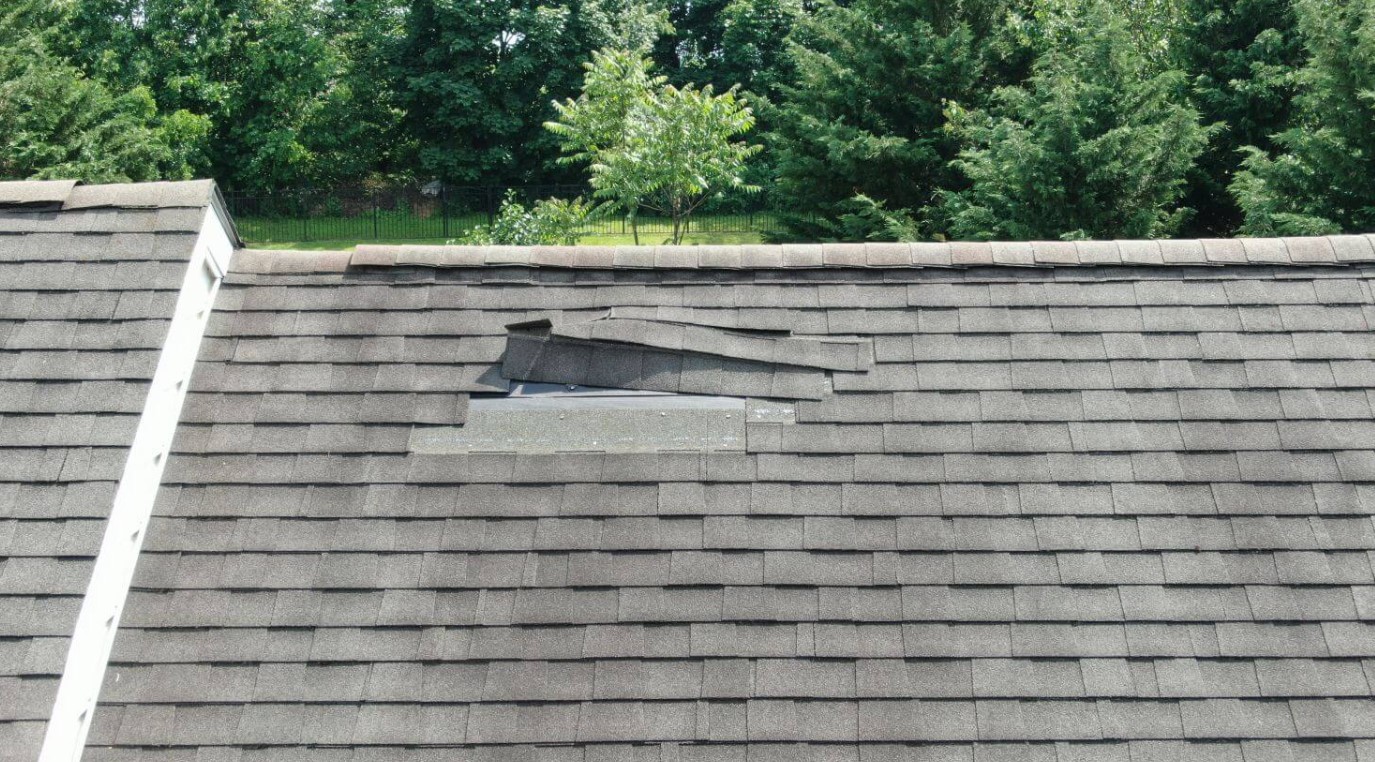
Signs Your Roof Needs Replacing in 2026
Every roof shows warning signs before it reaches the end of its lifespan. Knowing what to look for can help you act early.
Common signs the roof needs replacing include:
- Missing or damaged shingles
- Curling, cracking, or buckling shingles
- Granules are collecting in gutters or downspouts
- Dark streaks or visible wear patterns
- Water stains on ceilings or walls
- Musty smells or moisture in the attic
- Sagging areas or uneven rooflines
- Frequent roof repairs or recurring issues
At Yellowfin Roofing, we often see homeowners surprised by how much wear has developed over time. Some of these signs are easy to miss without a closer inspection.
If you notice more than one of these issues, it’s time to take a closer look.
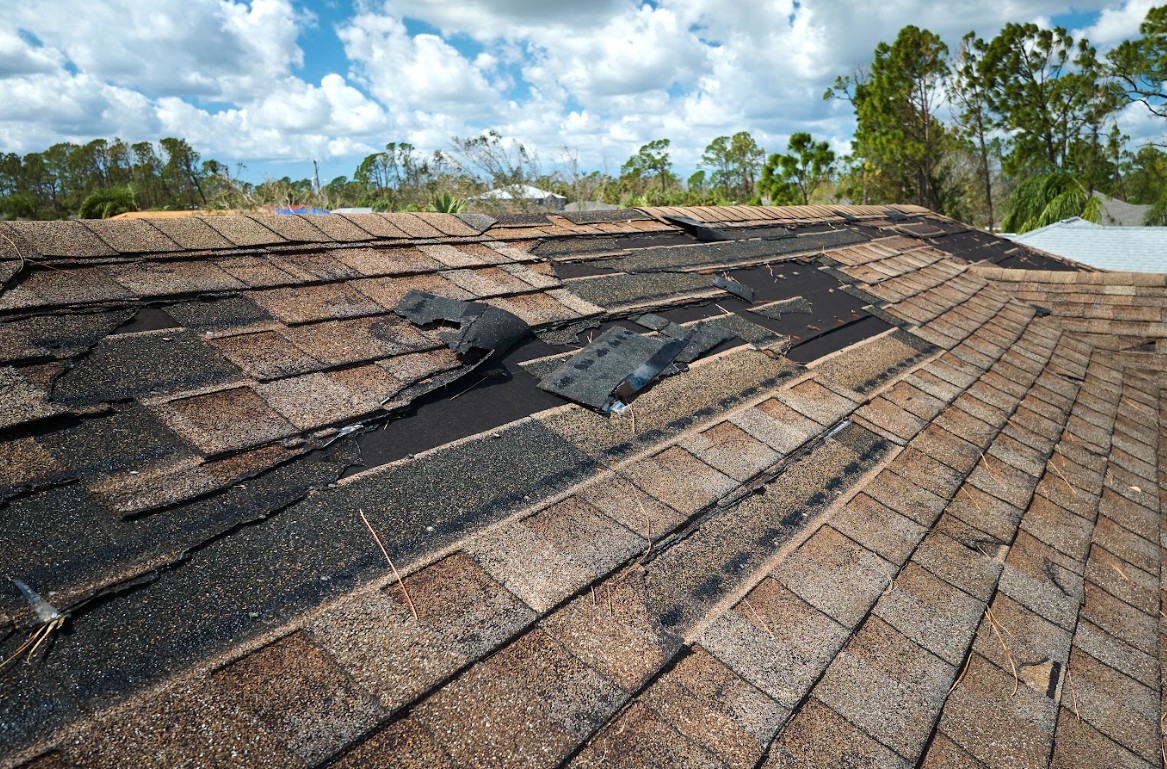
Roof Age Replacement Timeline: What to Expect by Material
Roof age plays a major role in determining when replacement makes sense.
Asphalt Shingle Roofs
Typical lifespan: 20–30 years
These are the most common roofing systems. Signs like granule loss, curling edges, and missing shingles usually appear as they near the end of their lifespan.
Metal Roofs
Typical lifespan: 40–70 years
Metal roofs last longer but can develop issues like rust, loose panels, or failing fasteners over time.
Tile Roofs
Typical lifespan: 50–100 years
Tiles themselves can last a long time, but the underlayment beneath them often wears out sooner, leading to leaks even when tiles look intact.
Two roofs installed in the same year can age differently depending on maintenance, ventilation, and exposure to weather.
That’s why a professional inspection is the best way to understand your specific situation.
When to Replace Roof Systems vs. Repair Them
Not every roof issue means you need a full replacement.
Here’s a simple way to think about it:
- Replace immediately: Active leaks, structural damage, sagging rooflines
- Replace soon (3–6 months): Multiple missing shingles, flashing failure, widespread wear
- Plan ahead (6–12 months): Aging roof with minor issues but nearing the end of its lifespan
The goal is to avoid emergency situations. Planning your roof replacement gives you more control over timing, cost, and contractor availability.
What Homeowners Should Do Next
If you’re trying to decide when to replace roof systems, start with a clear plan:
- Check your roof’s age
- Look for visible warning signs
- Inspect ceilings and attic areas
- Track any recent repairs
- Schedule a professional inspection
- Plan your replacement timeline early
At Yellowfin Roofing, we focus on clear communication so you understand exactly where your roof stands and what your options are.